Footwear Sourcing
Delta sheet for a wholesale training shoe sample request
Define the reference pair's role, record intended changes and keep unresolved training-shoe fields visible before making a sample inquiry.
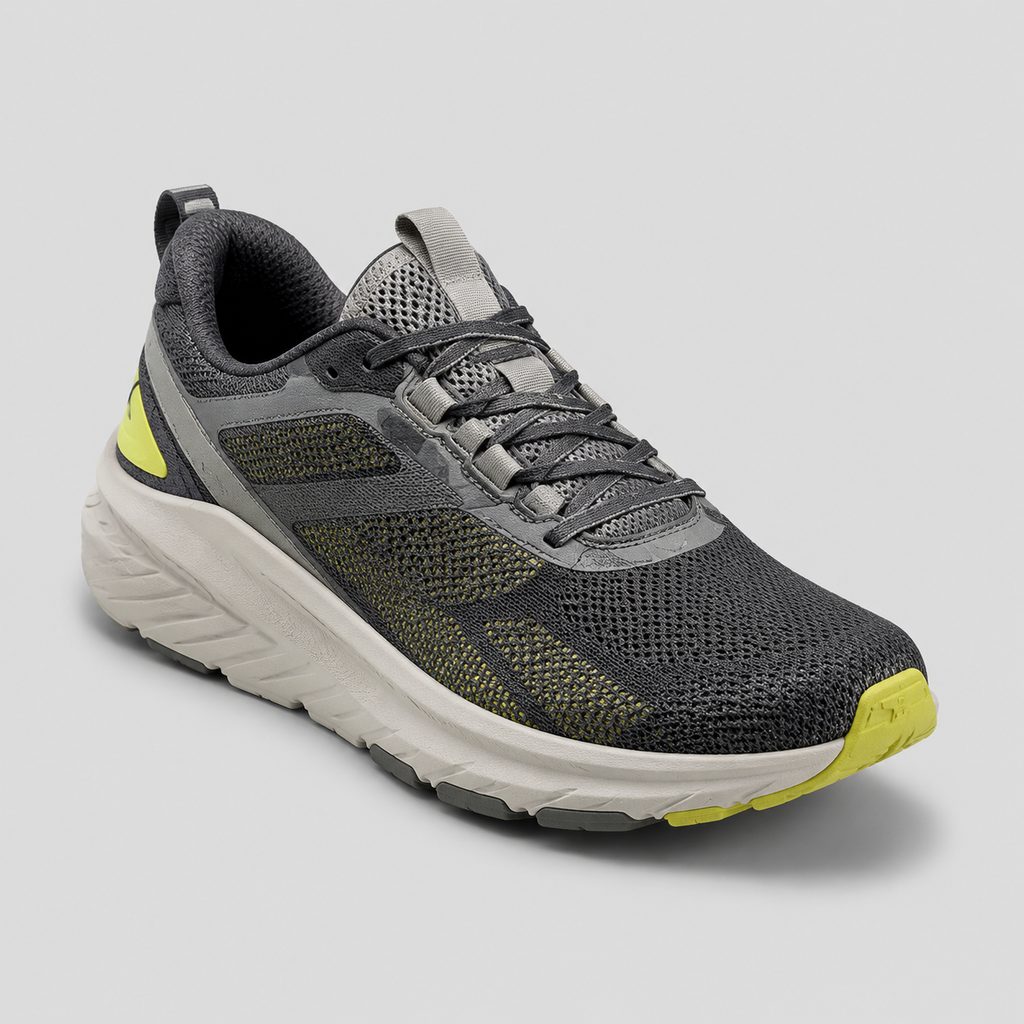
For a wholesale training shoe sample request, our editorial recommendation is to send a delta sheet with the reference pair. The sheet should separate what is visible on the pair, what the buyer wants for the proposed shoe, which choices have been made and which questions remain. Its purpose is to give the reference a limited role instead of allowing its entire appearance to stand in for a product definition.
The worksheet and gap ledger below are editorial planning tools, not published factory procedures. One published running-shoe example says that a first running-shoe order is structured from a reference pair to inspected first production. That single example establishes only that a reference pair appears in the described running-shoe sequence. It does not document a standard workflow for training shoes, and the excerpt does not identify who performed the inspection.
Give the reference pair a specific job
Before describing components, we recommend writing one sentence that defines how the buyer intends to use the pair. If its role changes by feature, record the appropriate role in each delta-sheet row.
- Observation source
- Record visible features without treating appearance as proof of dimensions, material identity or internal construction. Mark those details as unverified unless the buyer has separate records.
- Comparison baseline
- Identify the selected features that will serve as starting points, then state the requested differences separately.
- Visual reference
- Name the relevant aspects of appearance without making every visible similarity part of the proposed shoe.
A role statement might read: Use the pair only for the observations identified in the delta sheet. Apply the choices marked Defined; treat other similarities as outside the current definition. This wording sets a boundary without requesting an exact copy or claiming that the reference will be accepted for a particular project.
State the training-shoe category first
Custom Shoe Factory says on its company page that its product family covers running, training, walking and casual sneakers. It separately says that it is not a catch-all factory. Those statements place training within the published product focus, but they do not document project acceptance or a particular construction, performance standard or sampling path.
As an editorial step, use this training shoe reference pair checklist before filling in component details:
- Category: Identify the proposed product as a training shoe rather than relying on the reference pair's appearance.
- Intended use: Record the use and market position supplied by the buyer. Include performance requirements only when the buyer has established them.
- Reference role: Specify whether each relevant feature is an observation source, comparison baseline or visual reference.
- Requested differences: Distinguish the features to retain from those the buyer wants to change.
- Exclusions: Name visible features that should not become part of the proposed definition.
Build the delta sheet around decisions
We recommend one row per feature or unresolved choice. A four-column layout helps prevent an uncertain observation from being treated as a specification.
| Observed on the reference pair | Proposed training-shoe choice | Status | Buyer question |
|---|---|---|---|
| Describe visible form and proportion without inventing measurements. | Enter only the changes or retained features selected by the buyer. | Defined, Open or Excluded | Which proposed changes need further development or manufacturability discussion? |
| Map visible upper zones. Mark uncertain material identities as unverified. | Name a selected material by zone, or state the intended appearance or function while material choice is undecided. | Defined, Open or Excluded | What material or construction information would be needed to consider this upper? |
| Describe the visible closure, tongue and opening. | Record only the elements selected for retention or change. | Defined, Open or Excluded | What remains to be clarified about the proposed configuration? |
| Mark visible logo positions and decoration areas. | List available artwork, intended placement and any buyer preference for the application method. | Defined, Open or Excluded | Which material, artwork or process compatibility points should be confirmed? |
| Describe visible midsole and outsole geometry without assigning an unverified compound or construction. | Enter a buyer-selected visual or construction choice when one has been made. | Defined, Open or Excluded | Which bottom-unit inputs still need to be supplied or discussed? |
| Transcribe visible size-label information without treating it as proof of equivalent fit. | Record the buyer's fit and size requirements if they have been decided. | Defined, Open or Excluded | Which fit, size-scope or grading questions remain? |
Within this editorial framework, Defined records a choice made by the buyer. Open marks a field with no selected answer. Excluded identifies a visible reference feature that is not part of the proposal. Notes such as material unverified or artwork pending belong beside the relevant observation or choice.
Show material detail with engineered mesh
The materials page provides the material example used in this worksheet. It describes engineered mesh as a knitted or warp-knit synthetic. Its Best for line includes training, but that published category reference does not establish suitability for every proposed training-shoe design.
| Field | Published engineered-mesh detail | Editorial recommendation for the sheet |
|---|---|---|
| Identity | Engineered mesh is described as a knitted or warp-knit synthetic. | Write engineered mesh only if the buyer has selected it. A mesh-like appearance on the reference pair remains an observation until identified. |
| Zones and intent | The entry links zoned density with ventilation, light stretch and support. It separately refers to denser knit at the eyestay and toe. | Record the intended function by zone. Do not infer that the reference pair uses the same material or zoning. |
| GSM | The published typical range is 90-250 GSM depending on the zone. | Keep the range in its stated zonal context. Do not use it as a required target for the whole upper or as proof that a particular weight suits the proposed design. |
| Decoration | The entry lists screen print, heat-transfer film and welded TPU overlays for engineered mesh. | Supply the artwork status, location and preferred method, then ask which combinations, if any, may suit the selected material and construction. |
Hypothetical worksheet illustration, not a customer project: The reference pair has a mesh-like appearance in identified upper zones, but the material is unverified. Engineered mesh is under consideration, so the status is Open and the buyer asks which mesh specification and decoration option, if any, may suit the intended zones and artwork.
Put unsupported fields in a gap ledger
The running-shoe product entry describes running shoes with breathable uppers and cushioned midsoles. In a separate line, it names mesh, knit and PU uppers. It also names EVA and rubber outsoles. These statements describe the running-shoe entry; they do not define the construction of a training shoe.
For this sample-request worksheet, our recommendation is to keep unresolved training-shoe fields in a visible ledger. Any category comparison should remain a separate task, such as the site's running-to-training transfer map.
- Outsole construction
- Record visible geometry and buyer-selected requirements. Do not fill an undecided material or construction field from the running-shoe description.
- Midsole definition
- Enter the buyer's selected design or performance requirement when available. Do not transfer the published running-shoe cushioning language into the training-shoe specification.
- Fit, sizes and grading
- Separate the intended fit from the label visible on the reference pair. Mark undecided size and grading inputs as Open.
- Testing and performance
- List criteria already established by the buyer or intended market. Otherwise, include them as questions rather than assumed factory provisions.
- Sampling information
- Ask what timing, sample stages or revision information may apply without inserting a schedule or number of revisions.
- Commercial information
- Identify questions about quantity, minimum order, pricing and quotation basis without supplying unsupported values.
- Market, certification and packing requirements
- Record requirements already known to the buyer and ask what additional project information, if any, should be provided.
Separate buyer inputs from inquiry questions
Place buyer-controlled information and project-specific questions in separate columns. This makes the limits of the current product definition visible without presenting an unanswered topic as a documented service.
| Defined buyer input | Question the buyer may ask |
|---|---|
| Training-shoe category and intended-use statement | What further information is needed to discuss options that may apply? |
| The reference pair's role, relevant observations and explicit exclusions | Which requested differences require development or manufacturability clarification? |
| Known upper choices, organized by zone where relevant | Which material or construction possibilities may be considered from the current information? |
| Available artwork, intended placement and artwork status | What should be confirmed about material, graphic and decoration compatibility? |
| The gap ledger with undecided fields marked Open | Which gaps need buyer input before sampling or quotation questions can be considered? |
The right-hand column contains inquiry topics. It does not establish feasibility, service scope, timing, sample progression or a commercial outcome.
What to send with the inquiry
We recommend organizing the handoff in the following order:
- Identify the project as a training shoe and provide the buyer's intended-use statement.
- State the assigned role of the reference pair and identify the reference materials currently available.
- Include the delta sheet, defined changes, exclusions and available artwork.
- Keep unresolved construction, performance, sampling and commercial fields visible in the gap ledger.
- Ask which development, manufacturability, sampling or quotation options may apply to the current project definition.
Use the quotation request page to introduce the project, summarize the defined choices and identify the remaining gaps. The inquiry can also ask how the available reference materials should be provided, without assuming a response time, prescribed sample path or production result.
Sources and verification
- Footwear Manufacturing Case Studies | Example Project Formats First-party site source
- About Custom Shoe Factory | OEM/ODM Athletic Shoes First-party site source
- Shoe Soles, Uppers & Insole Materials | Footwear Specs First-party site source
- Athletic Shoe Manufacturer | Custom Product Range First-party site source
Share the current product definition and ask which development, manufacturability, sampling or quotation options may apply to the project.
Send your project brief