Footwear Sourcing
Custom Sneakers With Logo: Set Approval References
Separate the documented size-grading reference from the artwork, placement, color and application details that buyers need to submit for project review.
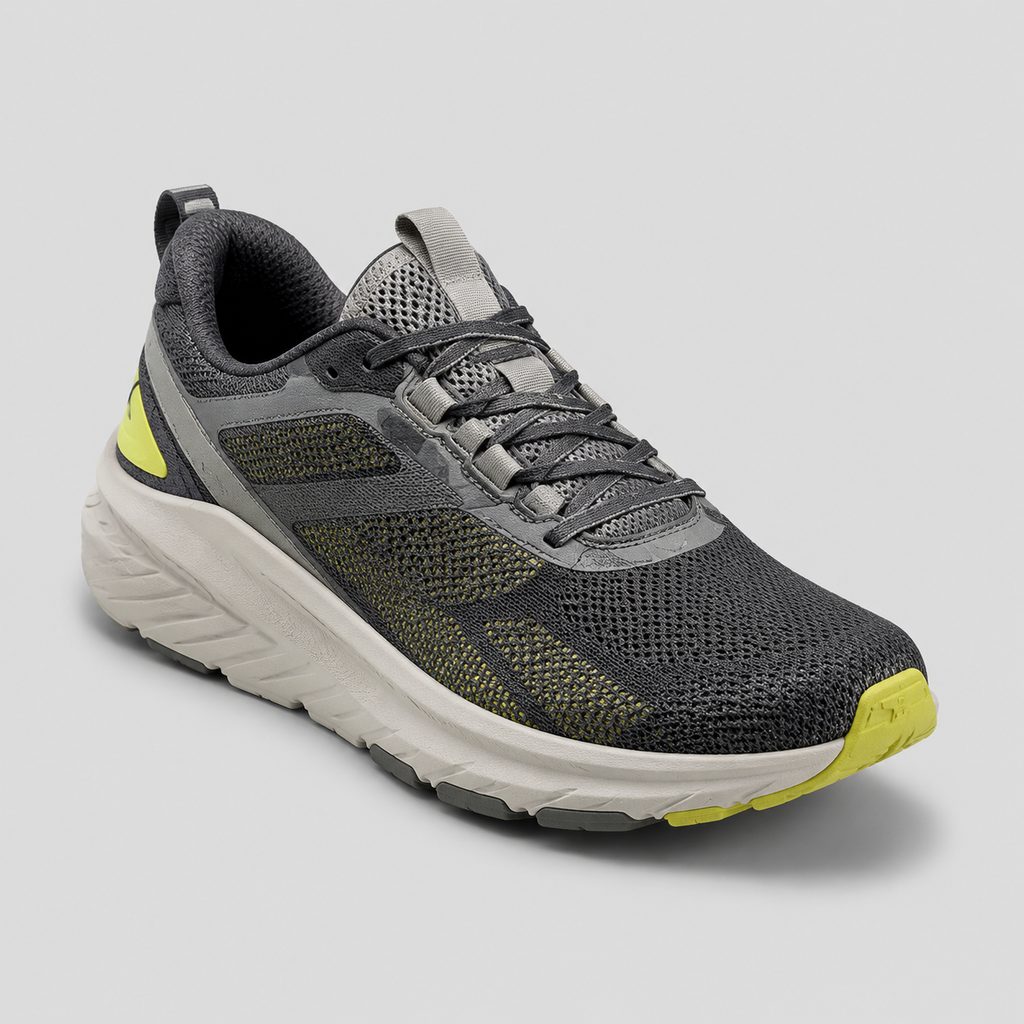
Approval of a custom sneaker can cover different decisions. The shoe construction may be acceptable while the logo still needs a defined artwork reference. A visually approved sample may also leave the dimensional reference unclear unless the project records what that sample controls.
Custom Shoe Factory makes one specific statement about dimensional control: size grading is locked to the golden sample and verified by measured length and width at final inspection. That statement does not document the golden sample as the control for logo artwork, placement, color or application quality.
For custom sneakers with logo artwork, our editorial recommendation is to divide the approval record accordingly. Identify the golden sample as the documented size-grading reference. Submit branding details separately as buyer requirements and ask which of them can be assessed or recorded for the project.
Place the shoe within the published range
The company's published product boundary covers running, training, walking and casual sneakers. An inquiry should identify which of these categories applies before moving into material or branding details.
- Select the applicable category: running, training, walking or casual.
- Describe the intended use and wearing context.
- Identify any construction point that remains undecided.
- Present proposed features as questions when their availability has not been established.
The four-category range does not establish that every construction or material is available within those categories. Its purpose in the brief is to give the manufacturer enough context to determine whether the proposed shoe falls within the published product family.
Describe the product under the artwork
The published running-shoe example illustrates the product information that can accompany a branding request. It describes performance-inspired daily-training builds with breathable uppers and cushioned midsoles.
The same running-shoe listing names mesh, knit and PU as upper examples. It separately names EVA and rubber as outsole materials. The channels listed for this example are retail, ecommerce and private label. These details describe the published running-shoe entry; they are not confirmed specifications for every project.
| Brief field | Published running-shoe example | Editorial recommendation for the buyer |
|---|---|---|
| Use | Performance-inspired daily training | Describe the intended activity and wearing context. |
| Upper | Breathable; mesh, knit or PU | Name the proposed material and any required structure. |
| Midsole | Cushioned | Describe the desired cushioning direction without asserting an unconfirmed performance result. |
| Outsole | EVA and rubber | State the proposed material direction and relevant use conditions. |
| Channel | Retail, ecommerce and private label | Identify the intended route to market. |
This product definition gives the logo request a physical context. It also makes unresolved construction choices visible before the buyer asks whether a particular branding application may be considered.
Locate the material zone
The company's materials page identifies air mesh and sandwich mesh as engineered-mesh types. It describes engineered mesh as knitted or warp-knit synthetic material with zoned density for ventilation, light stretch and support. The page also notes denser knit at the eyestay and toe.
Because the construction and density can vary by zone, referring only to a general mesh upper leaves the proposed branding surface ambiguous. Our editorial recommendation is to identify the exact panel and its material construction, where known, before discussing the application.
- Name the panel. State where the logo is intended to appear.
- Describe the local material. Identify the mesh type, construction or zone if that information is available. Mark missing details as project questions.
- Attach the artwork reference. Provide the current file and a version identifier. Add the intended dimensions, color reference and desired visual result as buyer inputs.
- Name the proposed application. Ask whether it may be considered for that artwork, material and location.
The materials page states that engineered mesh can take screen print, heat-transfer film and welded TPU overlays. This is a material-level statement. It does not determine which application, if any, is suitable for submitted artwork on a specified panel. Buyers can use the site's article on specifying branded sneaker uppers to organize the information they want the manufacturer to review.
Assign a purpose to each reference
A useful approval record names what each item is intended to control. The dimensional statement below is published company information. The branding fields are editorial recommendations for the buyer and should be treated as project inputs or confirmation questions.
| Reference | Documented or proposed scope | How to present it |
|---|---|---|
| Golden sample | The company states that size grading is locked to the golden sample and verified by measured length and width at final inspection. | Identify the physical sample associated with the size-grading reference. |
| Artwork file | Buyer-defined branding input | Provide the current file with a version identifier. |
| Logo position and dimensions | Buyer-defined branding input | Name the panel and state the proposed placement and dimensions. |
| Color and appearance | Buyer-defined branding input | Provide a color reference and describe the intended visual result. |
| Application | Project question | Name the proposed method and ask whether it may be considered for the specified artwork, panel and material zone. |
This division prevents an approved physical shoe from acquiring an undocumented branding-control role. It also gives buyers seeking private label sneakers with a logo a clearer way to distinguish established dimensional control from details that still require project-specific discussion.
Ask how branding details may be handled
The available sources do not establish logo tolerances, inspection procedures, durability tests or color-acceptance methods. Our editorial recommendation is to ask bounded questions instead of assuming that a particular procedure or acceptance standard applies.
- Which physical sample should be identified as the golden sample for size grading?
- Which artwork file and version should accompany the project inquiry?
- How should the proposed logo panel, placement and dimensions be presented for review?
- Which color reference should accompany the artwork?
- Can the proposed application be considered for the specified material and zone?
- What reference, if any, may be used to describe the intended logo appearance?
- Which product or branding details remain unresolved before project options can be discussed?
These questions do not represent published company services or promise a particular review result. They are a buyer's framework for asking what may apply to the current product definition.
Assemble the project request
A compact request package should connect the shoe definition to the branding request while keeping the dimensional reference distinct.
- Product category
- State whether the project concerns a running, training, walking or casual sneaker. Add the intended use.
- Construction direction
- Describe the proposed upper, cushioning and outsole direction. Identify unresolved construction points as questions.
- Logo location
- Name the panel and describe the material or engineered-mesh zone at that location, where known.
- Branding input
- Attach the current artwork version. State the proposed dimensions, color reference, application and desired visual result.
- Dimensional reference
- Identify the golden sample associated with the published size-grading control without assigning it an undocumented role in branding approval.
- Assessment questions
- Ask which development, manufacturability, sampling or quotation options may apply to the submitted definition.
Relevant buyers may also review the company's information for importers and wholesalers. When the product and branding inputs are ready, submit them through the project inquiry form. Keep the request conditional: share the current definition and ask which options and reference roles, if any, can be confirmed for the project.
Sources and verification
- About Custom Shoe Factory | OEM/ODM Athletic Shoes First-party site source
- Athletic Shoe Manufacturer | Custom Product Range First-party site source
- Shoe Soles, Uppers & Insole Materials | Footwear Specs First-party site source
- Wholesale Shoes & Bulk Footwear Supply | Importers First-party site source
Share the current product definition and ask which development, manufacturability, sampling or quotation options may apply to the project.
Send your project brief