Product Development
Decide What Changes: custom running shoes reference pair checklist
Turn a selected reference pair into a buyer-owned record of what to retain, what to change and which product questions remain open.
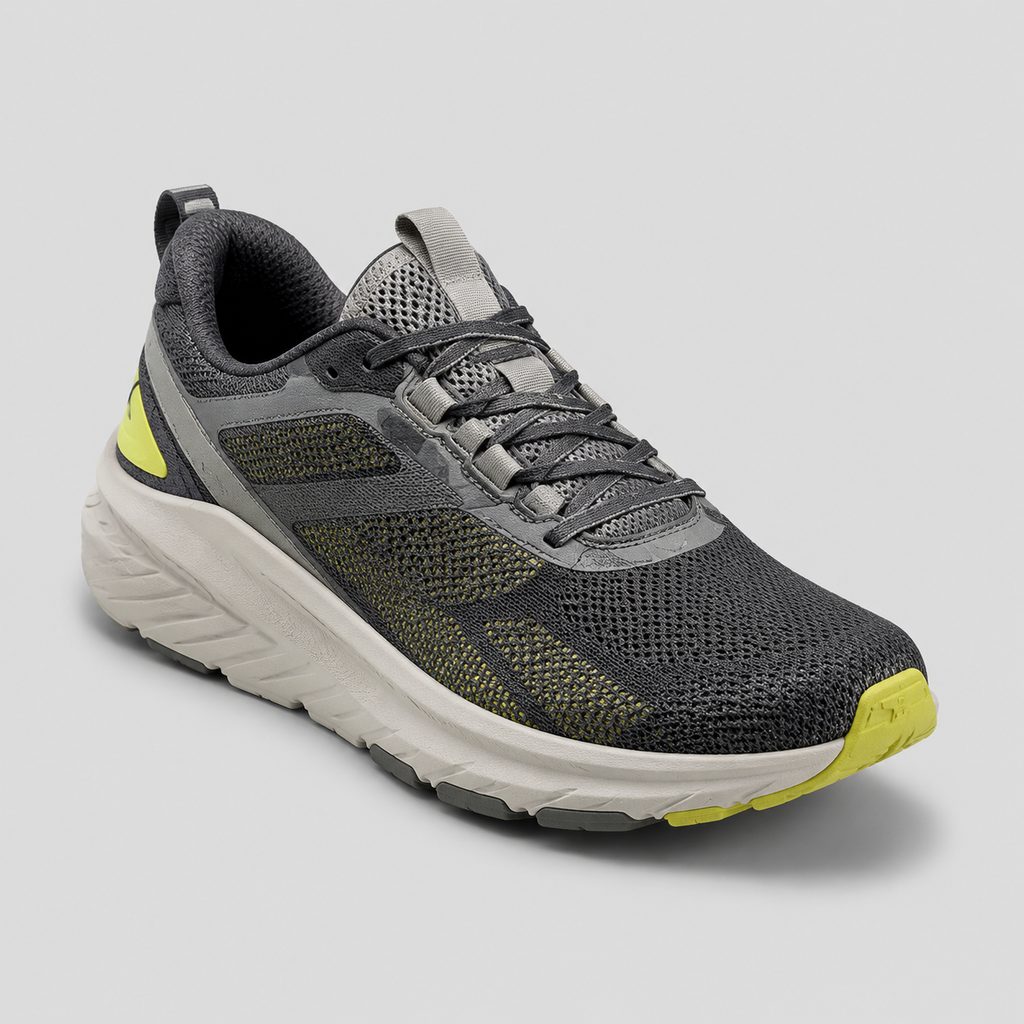
A selected reference pair gives a sourcing team something concrete to compare, but it should not be allowed to answer questions the buyer has not settled. Use a custom running shoes reference pair checklist to sort each relevant feature into three buyer-owned states: retain, change or open. The result is a change record for the inquiry, not a request for exact reproduction or a complete shoe specification.
The key question is location-specific: what aspect of this part matters? The buyer can preserve a defined feature, request a difference or leave the decision visibly unresolved.
Start with retain, change or open
The three-state framework and the workflow recommendations in this article are editorial guidance for buyers. They are not presented as a documented Custom Shoe Factory process. Their purpose is to keep buyer decisions separate from assumptions about materials, fit, feasibility or commercial terms.
- Retain
- Identify the exact aspect of the reference pair that should remain a comparison target. Avoid approving the entire surrounding construction when only one feature matters.
- Change
- Describe the intended difference at a named location and record the buyer's priority for that change.
- Open
- Keep an unresolved point visible until the buyer has enough information to define or approve it.
We recommend resolving the broad footwear category before building this log. The company description identifies running, training, walking and casual sneakers as its product family. Buyers still deciding among those categories can first use the category-lock exercise.
Limit the reference pair's role
The case-studies index describes an example running-shoe project format from a reference pair to inspected first production. Its scope is one example format. It does not establish that every project begins with a reference pair, follows that sequence or ends with inspected first production.
For this buyer-owned framework, give the pair one job: provide the baseline against which requested differences are recorded. We recommend assigning it a reference code, photographing it from consistent angles and using matching callout numbers in the images and written ledger. Those actions organize the buyer's inquiry; they are not claims about a supplier workflow.
- Use a callout for each location under review.
- Name the aspect to retain or change instead of approving a whole area by implication.
- Keep dimensions, materials and performance values open unless the buyer has separate support for them.
- Record document revisions so an updated decision is not confused with an earlier version.
Build the ledger around locations
A reference shoe change log should place each buyer decision beside its location, status and supporting material. The recommended fields below can be adapted to the buyer's own document system.
| Ledger field | Buyer entry |
|---|---|
| Feature and location | A named area such as the toe upper, eyestay, collar, midsole sidewall or outsole contact area. |
| Status | Retain, change or open. |
| Desired difference | A comparison with the reference pair, without an unsupported dimension, material or performance value. |
| Priority | The buyer's classification, such as essential, preferred or exploratory. |
| Supporting reference | A numbered photograph, sketch, color reference or buyer-supplied material note. |
| Unresolved question | The information still needed before the row can become a confirmed specification. |
Hypothetical buyer-authored example row: mark the forefoot upper as Change, request a more open mesh appearance than the reference pair, attach a numbered photograph and leave the material construction and manufacturability questions open. This records design direction without assigning an airflow result, mesh construction or feasibility conclusion.
Use source-backed running-shoe terms
The running-shoe product entry describes performance-inspired daily-training builds with breathable uppers and cushioned midsoles. In a separate material line, it lists mesh, knit or PU uppers. It also lists EVA and rubber outsoles.
| Source term | Recommended ledger use | Keep open |
|---|---|---|
| Performance-inspired daily-training build | Record as product-positioning language. | Any measurable performance requirement. |
| Breathable upper | Record as buyer intent when relevant. | Material, test method and acceptance threshold. |
| Cushioned midsole | Identify the construction area and desired experience. | Midsole material, dimensions and geometry. |
| Mesh upper | Use as a separate candidate upper term. | The precise mesh construction and applicable zones. |
| Knit upper | Use as a separate candidate upper term. | The precise knit construction and applicable zones. |
| PU upper | Use as a separate candidate upper term. | The form, construction and applicable locations. |
| EVA and rubber outsoles | Preserve the product page's outsole wording when forming material questions. | The project-specific sole construction and material arrangement. |
The running-specific wording should remain separate from the broader company-family description of running, training, walking and casual sneakers. Neither excerpt documents a universal component stack or confirms that every listed material can be combined in a requested configuration.
Evidence boundary: the cited pages provide public product and material vocabulary. Buyers should treat project-specific dimensions, combinations, tests, tolerances and commercial conditions as unresolved unless separately documented.
Turn engineered mesh into zone questions
The materials page describes engineered mesh as a knitted or warp-knit synthetic with zoned density for ventilation, light stretch and support. It states that engineered mesh typically runs at 90-250 GSM depending on the zone, with denser knit at the eyestay and toe. This is a description of engineered mesh on the material page, not a required specification or confirmed range for the current design.
- Map the locations. We recommend replacing one whole-upper entry with separate rows wherever the requested treatment changes. Match every row to a numbered area on the reference-pair photographs.
- Choose the relevant attribute. Ventilation, light stretch and support come from the engineered-mesh description. Record each attribute only where it reflects the buyer's intent, and leave measurement and acceptance criteria open.
- Keep GSM conditional. Preserve the source's typical and zone-dependent qualification when discussing 90-250 GSM. Do not copy that range into the project specification as a requirement or statement of availability.
- Treat the eyestay and toe as source examples. The page mentions denser knit in those locations. The buyer should still state whether either location matters to the current change log.
The page also says engineered mesh takes screen print, heat-transfer film and welded TPU overlays. If one of those treatments belongs in the product concept, we recommend giving it a separate row and asking whether it may apply to the current design. The material-page statement alone is not a project-specific service or feasibility commitment.
Keep unresolved fields visible
The supplied product, company, case-study and material excerpts do not resolve the fields below for a current project. The buyer's register should keep them as questions instead of filling them with plausible-looking values.
| Open area | Buyer question to record |
|---|---|
| Geometry and fit | Which dimensions, last information, fit references and measurement methods need definition? |
| Sizing and grading | Which sizing system, base size and grading rules are relevant to the intended market? |
| Tolerances | Which characteristics need tolerances, and who will propose or approve them? |
| Testing | Which test requirements, methods, laboratories or acceptance thresholds apply? |
| Color | Which color references, materials and viewing conditions will govern approval? |
| Components | Which upper, lining, reinforcement, insole, midsole, outsole, lace and trim details remain undecided? |
| Commercial terms | Which MOQ, packing and quotation information is relevant to this inquiry? |
| Timing | Which development, decision and delivery dates need discussion? |
As an editorial control for the buyer, assign each open item an internal owner, a next question and a revision date. This keeps missing decisions visible without attributing a review method or response commitment to the supplier.
Separate decisions from inquiry topics
| Buyer defines | Buyer may ask |
|---|---|
| Reference-pair code and document version | Which development options may apply to the current definition? |
| Retain, change or open status for each row | Which changes may need manufacturability discussion? |
| Requested differences and buyer priorities | Which sampling information may apply? |
| Supporting photographs, sketches and references | Which quotation or commercial information is relevant? |
| Unresolved-question register | What additional project inputs may be needed? |
Questions in the right-hand column are inquiry topics. Asking them does not document universal availability, feasibility, pricing, timing or a production outcome.
Submit the delta log with its gaps
Before an OEM running shoe inquiry, we recommend checking that the reference code, callout numbers and ledger version agree across every attachment.
- State the running-shoe category and the intended use selected by the buyer.
- Identify the exact aspects of the reference pair marked retain.
- Describe each change at a named location.
- Preserve source-backed running-shoe and engineered-mesh terms within their stated scope.
- Keep unresolved fit, sizing, tolerance, testing, color, component, commercial and timing questions visible.
- Separate mandatory buyer priorities from exploratory preferences.
Share the current product definition through the inquiry page and ask which development, manufacturability, sampling or quotation options may apply. The submitted log should show the selected baseline, the requested differences and the questions that remain open without implying a particular response or result.
Sources and verification
- Footwear Manufacturing Case Studies | Example Project Formats First-party site source
- Athletic Shoe Manufacturer | Custom Product Range First-party site source
- Shoe Soles, Uppers & Insole Materials | Footwear Specs First-party site source
- About Custom Shoe Factory | OEM/ODM Athletic Shoes First-party site source
Share the current product definition and ask which development, manufacturability, sampling or quotation options may apply to the project.
Send your project brief