OEM Footwear Sourcing
Custom Sports Shoes Category Lock Ahead of RFQ
A mixed-use custom sports shoes RFQ cannot support one manufacturability or sampling conversation. Lock primary sport use first, map only the construction labels the product range names, then share that definition when you ask which project options may apply.
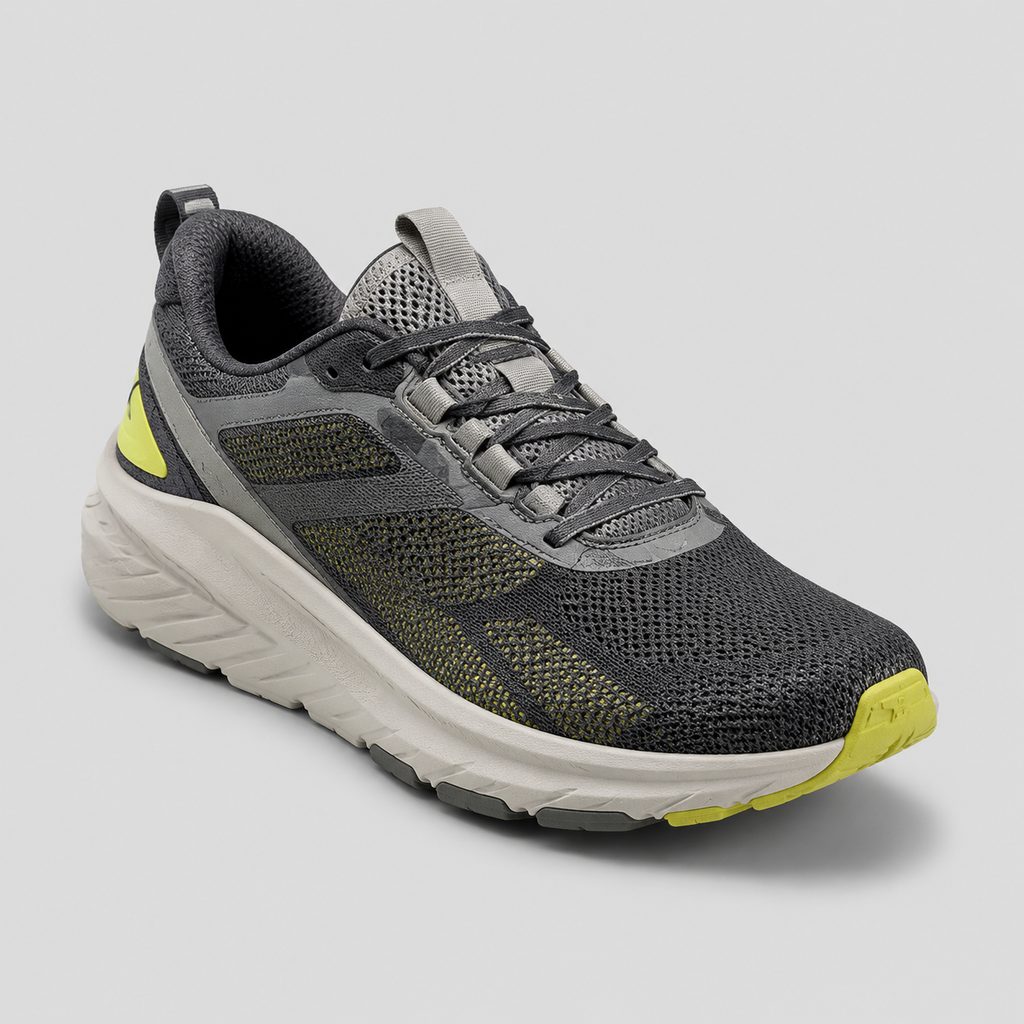
Procurement teams often send one RFQ labeled “custom sports shoes” and list running, gym, walking, and lifestyle wear in the same brief. That document looks efficient. In practice it leaves no single product definition for development tradeoffs, manufacturability review, sampling priorities, or quotation scope.
A custom sports shoes category lock is the buyer-side fix: one primary end use, construction fields that match a public product family, and only then an ask about which project options may apply. This article stays inside the published product family and material wording on the site. It does not invent MOQs, lead times, prices, certifications, or a multi-stage service menu. Where guidance goes past the excerpts, it is framed as an editorial choice for the buyer, not as a company process promise.
When one RFQ covers too many end uses
On the About page, the company positions itself as sport-footwear specialists with one product family done consistently: running, training, walking, and casual sneakers, not a catch-all factory. That boundary matters when buyers treat “athletic” as a single SKU class.
If primary use is left open, the same RFQ can imply different upper priorities, midsole expectations, and outsole wear patterns without saying so. Reviewers cannot tell whether the program is a daily-training runner, a training shoe, a walking build, or a casual sneaker. Sampling then answers the wrong question. Quotation lines cannot be compared because each line may rest on a different unstated category. The commercial failure mode is not “too little detail in the logo file.” It is an unlocked category that forces every later discussion to re-open scope.
Which primary sport use belongs on the brief?
Treat the four named family members as the only publicly supported primary-use choices for this article’s definition work. The editorial recommendation is to write one primary use on the first page of the brief and treat secondary uses as market notes, not parallel engineering targets.
- Name one primary use: running, training, walking, or casual sneakers. Do not substitute vague labels such as “athleisure multi-sport” as the primary line.
- State the wear context in buyer language: for example, daily training miles versus gym-floor sessions versus casual retail wear. Keep this as context for your team; do not convert it into unstated performance claims the evidence does not make.
- Record channel intent if known: the product range page names retail, ecommerce, and private label against the running-shoe card. Channel does not replace primary sport use; it only clarifies how the product will be sold.
- Freeze the primary use before construction debate: upper and sole fields should follow the lock, not redefine it mid-RFQ.
That sequence is the core of a custom sports shoes primary use brief. It is deliberately narrow. An OEM athletic footwear category definition that starts with primary use prevents the factory from being asked, by implication, to behave like a catch-all manufacturer outside the stated family.
Construction fields the public range actually names
Public construction language on the range is card-specific. The product range page describes breathable and cushioned running shoes as performance-inspired daily-training builds with breathable uppers and cushioned midsoles. On that same running card it lists mesh, knit, and PU uppers, and EVA and rubber outsoles, plus retail, ecommerce, and private label tags.
Those labels are the ceiling for what this article treats as publicly named construction fields for that card. They are not a license to invent midsole chemistries, outsole compounds, waterproof claims, or constructions that never appear in the excerpt. If the true primary use is training, walking, or casual sneakers, name that use first; do not force every brief into the running-card wording as if every family member carried the same documented build list.
| Definition field | What the public running card supports naming | Buyer discipline |
|---|---|---|
| Program archetype | Breathable / cushioned running shoes framed as performance-inspired daily-training builds | If the true primary use is training, walking, or casual sneakers, say so; do not force every brief into the running card wording |
| Upper construction labels | Mesh / knit / PU uppers | Pick the labels you intend to explore; do not merge them into unlisted hybrid systems |
| Midsole wording | Cushioned midsoles | Keep “cushioned” as stated; do not add foam brands or rebound claims absent from the source |
| Outsole wording | EVA and rubber outsoles | Name EVA and rubber only as listed; leave compound grades and traction maps for project-specific questions |
| Go-to-market tags on the card | Retail, ecommerce, private label | Useful for assortment intent; not a substitute for primary sport use |
Use the table as a definition checklist, not as proof that every field is available in every combination for every size run. After the category lock, the buyer can ask which of these running-card fields, and which combinations, are realistic for the current program. That is a project question, not a claim that the range page documents every possible build path for every sport use in the family.
When engineered mesh enters the definition
Only after primary use is locked does finer upper material language help.
The materials page describes engineered mesh as air mesh or sandwich mesh: a knitted or warp-knit synthetic with zoned density for ventilation, light stretch, and support, and calls it the workhorse athletic upper. It states that the material takes screen print, heat-transfer film, and welded TPU overlays cleanly, is typically run at 90–250 GSM depending on the zone, with denser knit at the eyestay and toe, and is best for running, training, and summer styles that need maximum airflow at a sensible cost.
Preserve that modality. “Typically” and “best for” are not guarantees for every zone of every shoe. The excerpt supports a material-level specificity test: if your upper story depends on engineered mesh, say air mesh or sandwich mesh, name intended overlay methods from the listed set, and note zoned density or denser knit at eyestay and toe only as definition intent. Do not promote the mesh block into a branding process, a waterproofing claim, or a full upper construction system beyond what is written. Editorial guidance: if the primary use is walking or casual sneakers and airflow is secondary to other priorities, do not paste the full running/training mesh block into the RFQ as if it were mandatory. Category lock first; mesh detail second.
What the running-shoe project example can structure
The case studies page presents an example format titled as a running-shoe launch for a new brand: how a first running-shoe order is structured from reference pair to inspected first production. That is the full commercial claim this article uses from that source. It does not name a customer, MOQ, timeline, lab suite, or inspection checklist, and this article does not invent them.
For a buyer, the useful boundary is structural. A first running program can be discussed as a path that starts from a reference pair and ends at inspected first production. That frame helps you organize internal milestones. It does not prove that every program follows the same calendar, sampling count, or QC method. If your primary use is not running, treat the page as an illustration of example-format thinking for a first order, not as a template you copy line for line into a walking or casual brief.
Inquiry package after the category lock
Once primary use and evidence-backed construction fields are written down, the conversion-safe next step matches the site goal: share the current product definition and ask which development, manufacturability, sampling, or quotation options may apply to the project. Keep those four words as inquiry topics. The public excerpts used here do not establish them as a fixed, documented service sequence or promise.
- Primary use lock: running, training, walking, or casual sneakers, with a one-line wear context.
- Construction fields in source language: where the program follows the public running card, breathable upper intent and cushioned midsole wording; mesh, knit, or PU; EVA and rubber outsoles. For other primary uses, treat those labels as questions to confirm, not as equally documented range language.
- Optional mesh specificity: air mesh or sandwich mesh, zone intent, typical GSM range if you are using that material story, and overlay methods limited to screen print, heat-transfer film, and welded TPU if branding depends on them.
- Reference intent: whether you have a reference pair for a first running-style order structured toward inspected first production, without assuming that path is already agreed.
- Open project questions: which development, manufacturability, sampling, or quotation options may apply to this definition; include MOQ or packing only as questions if your team needs them, not as if the site already published program-specific numbers in these excerpts.
Those sports shoes manufacturability questions belong after the lock. Asking them before primary use is fixed usually returns answers that cannot be reused when the category changes. Send the package through request a quote only after the definition is stable enough that a reply can attach to one product story rather than four.
A single hypothetical illustration, not a customer case: if a brand’s draft RFQ listed “running plus gym plus casual” under one article number, the category lock would force a primary line (for example, running as daily-training) and move gym and casual to assortment notes. Construction fields would then follow the running card language and, if needed, the engineered-mesh material block, before any sampling or quotation ask. That is buyer discipline, not a described factory workflow.
Sources and verification
- About Custom Shoe Factory | OEM/ODM Athletic Shoes First-party site source
- Athletic Shoe Manufacturer | Custom Product Range First-party site source
- Shoe Soles, Uppers & Insole Materials | Footwear Specs First-party site source
- Footwear Manufacturing Case Studies | Example Project Formats First-party site source
Share the current product definition and ask which development, manufacturability, sampling or quotation options may apply to the project.
Send your project brief