Sourcing Guides
Wholesale Walking Shoes Reorder Continuity Under OEM Spec
First-order wholesale walking-shoe buys often leave no locked BOM or tooling. Map documented OEM build-to-spec controls onto a continuity-minded definition package you can submit.
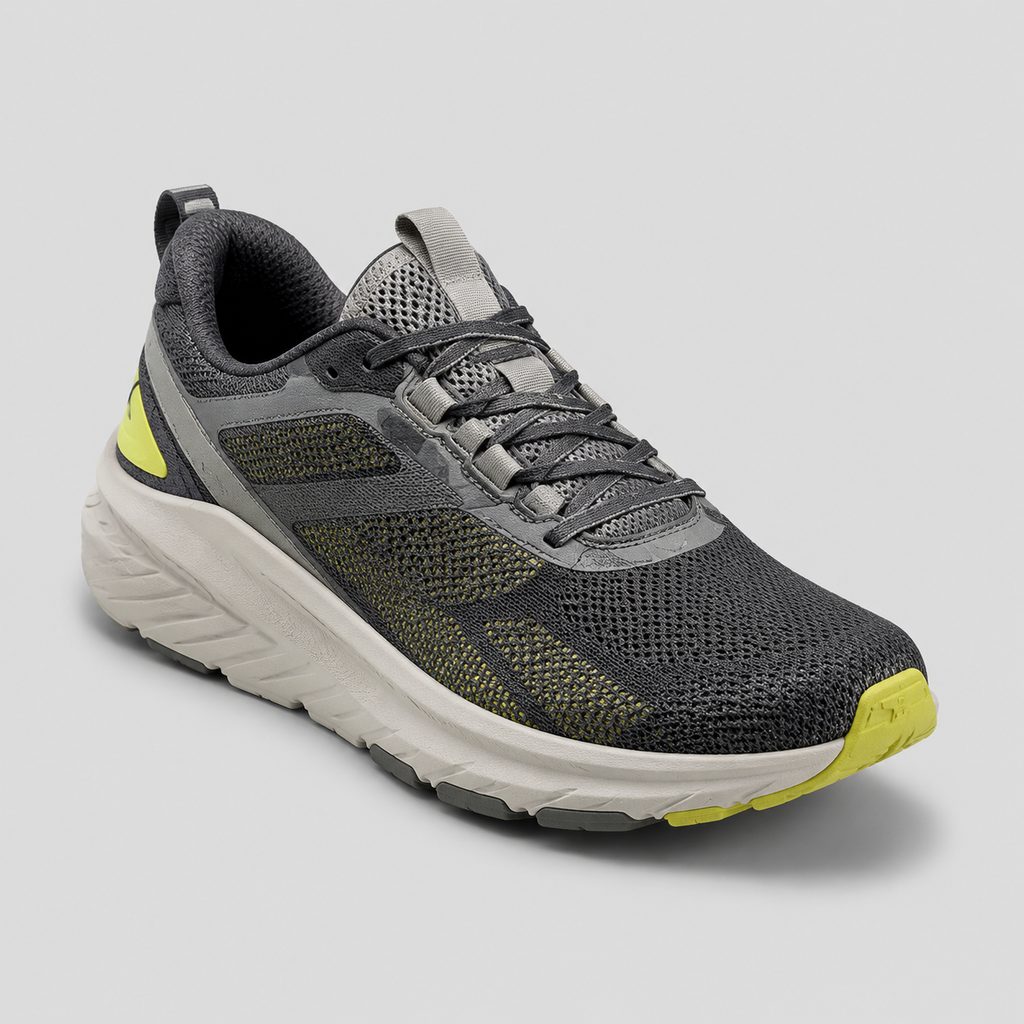
Wholesale walking shoes reorder continuity breaks when the first PO is run as a one-off event. Construction, material lines, and fit references get settled once, then live only in threads and sample photos. On the next order the factory has no fixed assets to hold, so decisions that should already be closed open again. Buyers who need season-to-season line consistency need a different frame for order one: a continuity handoff under OEM build-to-spec, not a single shipment.
The reorder-drift problem in wholesale walking shoes
Reorder drift is a practical buying failure. A brand approves a walking-shoe sample, places bulk, ships, and moves on. Months later a replenishment or colorway extension arrives without a factory-held bill of materials, without named tooling ownership, and without a written tech pack that matches what actually ran. The plant must re-interpret upper stacks, midsole choices, outsole compounds, lasting references, and logo placement from incomplete notes. Isolated substitutions look minor; across sizes and colorways they change hand feel, flex, and visual balance.
The usual cause is definition, not bad faith. Nothing in the first package told the manufacturer which assets to freeze for later runs. Continuity therefore starts before the second PO: the buyer decides which elements become fixed factory assets and which stay seasonal inputs. That split is editorial procurement practice. It becomes factory work only when the buyer delivers a build-to-spec package the plant can manufacture against and retain.
Confirm walking sits inside the factory’s product family
Confirm category fit before any continuity discussion. Custom Shoe Factory presents itself as a sport-footwear specialist with one product family done consistently: running, training, walking, and casual sneakers, not a catch-all plant. That scope statement is the first filter for walking programs. A specialist athletic range is more likely to keep process discipline across similar lasts and constructions than a general footwear house that switches categories daily.
Category fit does not mean every walking construction is pre-documented on the public site. It means walking sits inside the stated family, so an OEM inquiry for a walking program is category-aligned. Buyers still own the product definition. For how the company presents that specialist scope, see the about page and the product range overview.
What OEM build-to-spec can actually hold across reorders
Keep continuity claims inside documented OEM responsibility. On the OEM and ODM services page, Custom Shoe Factory states that under OEM (build to spec) it manufactures to the buyer’s tech pack and design, flags manufacturability issues during DFM, and holds the bill of materials and tooling across reorders. That is the full continuity ceiling available from that excerpt. It is not a guarantee of identical retail outcome if the buyer later changes materials, lasts, or fit rules. It is a manufacturing responsibility boundary: build to the given pack, surface DFM risks, retain BOM and tooling for later orders.
- Tech pack and design as production authority. OEM manufacture follows the buyer’s pack and design, not an informal sample photo set. If the pack is incomplete, continuity has nothing stable to reference.
- Manufacturability flags during DFM. Issues that would break consistent production should surface before bulk locks the wrong construction. Treat those flags as decision points, not optional commentary.
- Bill of materials held across reorders. Approved material lines, component codes, and supplier-facing identifiers the factory is instructed to retain become the BOM backbone for later runs.
- Tooling held across reorders. Lasts, molds, and other tools the factory holds for the program are the physical counterpart to the BOM. Without a clear tooling set, fit and outsole geometry reopen on every PO.
Those four points map only to the OEM build-to-spec description. They do not invent packing services, inventory programs, or automatic colorway management. For the service framing, review OEM / ODM development.
Separate locked assets from project-variable inputs
A reviewable inquiry separates what the factory should hold from what the brand still expects to change. The OEM excerpt supports holding BOM and tooling across reorders once the program is built to spec. Everything else is a buyer choice about how tightly to freeze the model. As an editorial recommendation for the buyer, use a simple split so the package stays reviewable.
| Item class | Continuity role | Buyer action |
|---|---|---|
| Approved BOM lines (materials, components, identifiers) | Factory-held under OEM when instructed as the reorder baseline | Name each line as approved or provisional; mark substitutions out of scope unless re-approved |
| Tooling set (lasts, molds, related production tools) | Factory-held across reorders under the same OEM boundary | State which tools are program assets versus temporary sample tools |
| Construction rules in the tech pack | Production authority for manufacture to design | Freeze stitch maps, bonding methods, and critical dimensions once DFM is closed |
| Seasonal colorways and upper graphics | Often project-variable unless the buyer freezes them | Call out which colorways reuse the locked construction versus which need new artwork only |
| Packaging, labels, and channel-specific inserts | Usually order-variable unless written into the pack | List as separate SKUs or annexes so they do not silently rewrite the shoe build |
| Fit and grading references | Must be explicit if size continuity matters | Attach approved size-set references and any grade rules the factory must not reinterpret |
This table is editorial structure for a buyer package. It does not claim the factory auto-classifies every field. The only company-supported hold statements remain BOM and tooling under OEM build to spec.
Use the running-shoe launch example as process signal only
Custom Shoe Factory publishes an example titled as a running-shoe launch for a new brand: how a first running-shoe order is structured from reference pair through inspected first production. That example is a process signal for first-order discipline. It is not a walking-shoe customer project, and it does not transfer running-shoe material stacks to walking programs.
What a continuity-minded buyer can take from the signal is sequence, not product content. A reference pair establishes the physical target. Development and manufacturability review close gaps before bulk. First production is inspected against the locked definition rather than against memory. Applied to wholesale walking shoes, the same discipline means the first order should leave behind retained BOM lines and tooling, not only a shippable carton count.
Keep the categories separate in language. Public product copy for running shoes describes performance-inspired daily-training builds with breathable uppers and cushioned midsoles. Separately, that running-shoes presentation lists mesh, knit, and PU uppers with EVA and rubber outsoles for retail, ecommerce, and private label contexts. Those attributes belong to the running-shoes presentation. Do not paste them into a walking-shoe BOM. If a walking program needs specific upper or sole materials, the buyer must write them into the walking tech pack as walking-shoe requirements. See the case studies index for how example project formats are framed, and keep each format inside its stated category.
Build a continuity-minded walking-shoe definition package
The minimum buyer-owned package for wholesale walking shoes build to spec continuity is not a sampling-only request and not a price-only RFQ. It is a current product definition with visible gaps, plus explicit questions about how BOM and tooling would be held if the program proceeds under OEM.
- Category and use statement. State walking as the program category inside the athletic family the factory already lists, and name intended use (daily walking, light travel, retail private assortment, and similar) without over-claiming performance tiers the pack does not support.
- Reference assets. Provide physical or high-resolution reference pairs, fit notes, and any approved sample history. Mark which references are binding versus directional.
- Tech pack status. Attach the current pack even if incomplete. Label open fields (upper stack, midsole, outsole, lasting, trims, logos) so DFM can flag manufacturability issues against real gaps rather than assumptions.
- BOM draft with freeze intent. List known materials and components. Tag each line as lock for reorders, open for DFM suggestion, or seasonal variable. That is how an OEM walking shoes bill of materials becomes reviewable instead of implied.
- Tooling ownership questions. Ask which lasts, molds, or other tools would be created or retained for reorders, and what the buyer must approve before those tools are treated as program assets. Walking shoes factory tooling only becomes a continuity asset after that approval is clear.
- Change-control rules. State that post-approval substitutions require written re-approval. Continuity collapses when silent swaps are treated as normal.
- Reorder trigger language. Note that future POs should call the locked model and BOM revision, not only a style nickname.
One hypothetical illustration: a buyer with a walking silhouette already selling in two colorways might submit the approved sample set, a partial BOM with midsole and outsole lines marked provisional, and a question list about which tooling the factory would hold if bulk proceeds. That package is hypothetical only; it is not a documented customer case and carries no quantity or lead-time claim.
Keep ODM, private-label merchandising, and channel-specific retail programs out of the continuity claim set unless the buyer is separately briefing those paths. The evidence used here supports product-family inclusion for walking and OEM hold of BOM and tooling, not an expanded service menu for walking alone.
Submit the current definition and ask which continuity options apply
Close the first-order loop with a continuity-minded inquiry, not a vague can-you-make-walking-shoes note. Share the present walking-shoe definition as it stands: references, pack, BOM draft, open manufacturability questions, and which assets you want treated as reorder baseline. Then ask which development, manufacturability, sampling, or quotation options may apply to keeping later orders consistent under OEM build-to-spec.
That ask is an invitation for project-specific guidance. It does not convert inquiry topics into promised services, fixed MOQs, or published lead times. The factory’s documented OEM boundary remains manufacture to tech pack and design, manufacturability flags during DFM, and holding BOM and tooling across reorders. Everything commercial still depends on the package you submit and the review that follows.
If the goal is wholesale walking shoes reorder continuity rather than a one-time fill-in, treat order one as the handoff that creates factory-held assets. Submit the current definition through the request a quote path and state clearly that reorder consistency is part of the buying intent.
Sources and verification
- About Custom Shoe Factory | OEM/ODM Athletic Shoes First-party site source
- OEM / ODM Shoe Development | Custom Footwear Manufacturing First-party site source
- Footwear Manufacturing Case Studies | Example Project Formats First-party site source
- Athletic Shoe Manufacturer | Custom Product Range First-party site source
Share the current product definition and ask which development, manufacturability, sampling or quotation options may apply to the project.
Send your project brief