Sourcing Guides
What Belongs in a Wholesale Training Shoes Sole Specification
Upper language alone still stalls factory review. Capture cushioned midsole intent, EVA and rubber outsole choices, and a short training-use line so development and sampling options can be discussed against open fields.
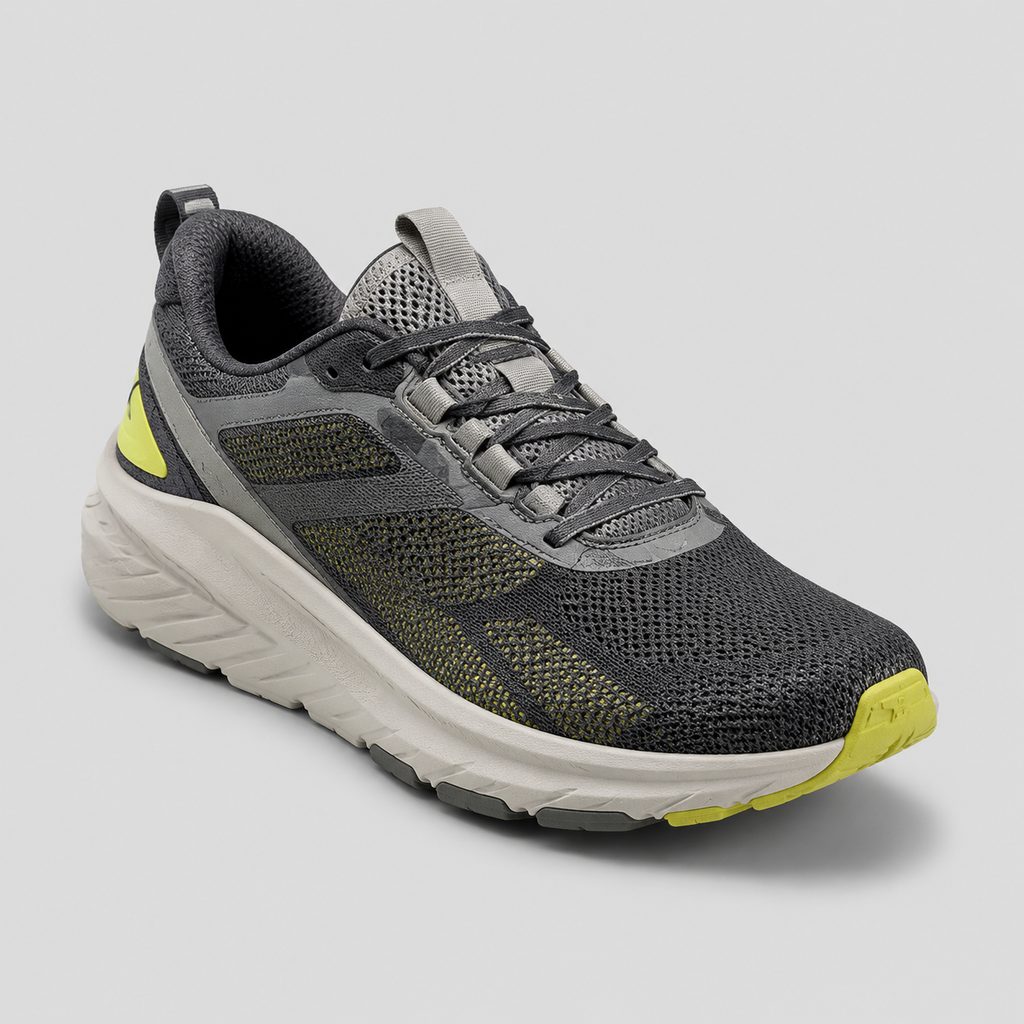
A wholesale training shoes sole specification is often the missing piece after upper fabric is chosen. Buyers name mesh or knit, sketch a logo zone, then leave midsole intent, outsole material, and training surfaces blank. Until those rows exist, a China OEM or ODM cannot judge manufacturability, which sampling path fits, or whether a quotation request is ready to open.
This guide puts the bottom unit and a short training-use line on the same sheet as the upper. Published athletic range language describes daily-training builds with cushioned midsoles and lists EVA and rubber outsoles as bottom materials. Stay inside that language. Density, hardness, stack height, and traction grades should stay open until samples or a written development path exist.
When the upper is ready but the factory still cannot respond
Procurement teams often freeze upper fabric first because it drives look and brand story. The stall appears next.
Without a sole definition, the supplier still cannot align last geometry with cushioning intent, bonding method, mold needs, or outsole wear assumptions. Published product language for performance-inspired daily-training builds names breathable uppers and cushioned midsoles. It lists mesh, knit, or PU as upper options. Separately, it lists EVA and rubber outsoles as bottom materials. That is the documented ceiling. A request that only says “training shoe, breathable mesh” is incomplete for development review. Mark the missing bottom fields early so the conversation moves from guesswork to options the factory can actually assess.
State the training use before naming compounds
Sole materials only make sense against a use line. Write that line first, in plain operational language, before debating compounds or pattern depth.
- Name the primary setting: indoor gym floor, multi-use daily training, light outdoor paths, or a mixed mix you can rank by share of wear.
- Note surface texture in buyer terms: smooth rubber, carpet, turf, pavement, or studio wood, if those surfaces matter to traction pattern.
- State the motion you care about: lateral drills, machine work, short court movements, or mostly linear walking between sessions.
- Flag any non-negotiable constraints, such as indoor-only rules that limit outsole mark risk, without inventing test scores.
Training sits inside a published sport-footwear family that also covers running, walking, and casual sneakers. Anchoring use to that family keeps the brief inside consistent product language. If the shoe is mostly lifestyle walking with light gym use, say so rather than defaulting to a performance-trainer label.
Write the midsole as a row, not a comfort claim
Supported product language points to cushioned midsoles on performance-inspired daily-training builds. Treat “cushioned midsole” as a starting label—not finished engineering.
| Field | What to write now | Leave open until reviewed |
|---|---|---|
| Midsole role | Cushioned daily-training midsole, matching published range language | Lab comfort claims or brand slogans without a test method |
| Geometry intent | Reference silhouette or stack feel in qualitative terms only | Exact stack height, drop, or density numbers not yet agreed |
| Hardness / density | “To be proposed against use line” if unknown | Any shore value not measured on an approved sample |
| Construction notes | Single-density vs multi-part interest, if you already know preference | Tooling cost or mold ownership assumptions not discussed |
A training shoe midsole outsole brief that keeps these cells honest beats a paragraph of comfort adjectives. If you only know “softer than our last walking shoe,” write that comparison and flag hardness as open. Editorial recommendation for buyers: require every midsole claim to map either to a reference sample or to an explicit open field, so manufacturability review has something concrete to answer. Do not invent hardness, drop, or rebound values the published range does not state.
Separate outsole compound from traction pattern
The same product language lists EVA and rubber outsoles. Those words name material families for the bottom unit. Pattern, contact surface, flex grooves, and branding zones are separate decisions. Conflating them forces the supplier to invent a full bottom unit from a single phrase.
| Decision | Buyer input that helps | Why it stays separate |
|---|---|---|
| Compound family | EVA outsole, rubber outsole, or both, matching published bottom-material language | Compound choice is not the same as lug design |
| Contact surface | Indoor, outdoor light use, or mixed, tied to your use line | Surface drives pattern more than brand story does |
| Traction pattern | Reference photo, sketch, or “flat court / multi-directional / linear” note | Pattern tooling and mold risk sit here |
| Wear and coverage | Forefoot, heel, or perimeter priority if you already know failure modes | Coverage is a durability tradeoff, not a material grade |
| Branding zones | Logo on outsole yes/no and approximate location | Branding can change mold complexity without changing compound family |
Do not attach abrasion ratings, slip-test results, or proprietary compound grades unless you will supply the method and accept them as open until validated. For OEM training shoes sole specification work, list the outsole material family first, then itemize pattern and surface as inspectable choices. That is enough for a factory to say which development or sampling options may apply.
Keep the program inside the published athletic family
Custom Shoe Factory positions itself as sport-footwear specialists with one product family done consistently: running, training, walking, and casual sneakers, not a catch-all factory. When you write sole rows for a training program, stay inside that frame.
If the program is training, say training. If it shares last logic with a walking line, note the adjacency without rebranding the category. Category lock matters because sole expectations differ across the family even when upper fabrics look similar. A daily trainer and a casual sneaker can share mesh language and still need different outsole contact assumptions. Confirm category on the same sheet as the bottom unit so quotation conversations do not restart after sampling.
Upper materials still belong on the same sheet
Sole rows complete the upper rows; they do not replace them. Documented upper options for the athletic range include mesh, knit, and PU. On the materials page, engineered mesh is described separately for running, training, and summer styles that need airflow at a sensible cost, with notes on zoned density and common branding methods. Keep those statements on different lines: range-level upper families first, engineered-mesh detail only if that is the path you mean.
- Upper family: mesh, knit, or PU, as already chosen for the program.
- Training-relevant mesh path: engineered mesh only if ventilation and support zoning are part of the brief.
- Bottom unit: cushioned midsole intent plus EVA and/or rubber outsole, with open numeric fields marked.
- Use line: gym, multi-use daily training, or light outdoor, in one sentence.
- Reference assets: photos, a competitor pair, or a prior sample, labeled as reference only.
Prior work may already have mapped mesh zoning for the upper. This sheet should not redo that mapping. It should only show that the wholesale training shoe bottom unit and the upper sit on one page so nothing critical is stranded in email threads.
First-production structure without inventing a training case
Published case-study framing describes how a first running-shoe order can be structured from reference pair to inspected first production. That is a process format for a running launch. It is not a training-customer story and not proof of completed training programs. Buyers can still borrow the sequence as a structural checklist for sole approvals.
- Reference pair or clear photo package that shows midsole thickness feel and outsole pattern intent.
- Written rows for use, midsole label, and outsole decisions, with open cells explicitly marked.
- Sample review that inspects the bottom unit against those rows before any bulk assumption.
- First-production inspection plan that reuses the same sole fields, so approvals do not reset midstream.
Use that order as editorial process design only. Do not treat it as a guarantee of lead times, quantities, or outcomes. When you share the package, ask which development, manufacturability, sampling, or quotation options may apply to the open sole fields rather than asserting that those steps are already scoped.
Mark open sole fields, then ask which options apply
Close with a handoff package: share the current product definition, flag every midsole, outsole, and use gap, and invite a response on options rather than on invented commercial terms.
- Category: training, inside the running / training / walking / casual family.
- Use line: one operational sentence on surfaces and motion.
- Upper family already chosen: mesh, knit, or PU, with engineered mesh only if relevant.
- Midsole row: cushioned midsole intent, plus every unknown density or geometry field marked open.
- Outsole row: EVA and/or rubber as material family, separate pattern and surface notes, branding zones if any.
- References: photos or a pair, labeled reference-only.
- Ask: which development, manufacturability, sampling, or quotation options may apply to this project given the open sole fields.
Send that package through the request-a-quote path when you want a factory response tied to the current definition. For context on range language, materials detail, company scope, and example project formats, keep products, materials, about, and case studies open beside the brief. The factory can only answer what the sole rows make visible.
Sources and verification
- Athletic Shoe Manufacturer | Custom Product Range First-party site source
- About Custom Shoe Factory | OEM/ODM Athletic Shoes First-party site source
- Shoe Soles, Uppers & Insole Materials | Footwear Specs First-party site source
- Footwear Manufacturing Case Studies | Example Project Formats First-party site source
Share the current product definition and ask which development, manufacturability, sampling or quotation options may apply to the project.
Send your project brief