Footwear Sourcing
Wholesale Training Shoe Manufacturer Checklist
A procurement-focused method for separating category scope, material facts, running-shoe details, and project-specific questions.
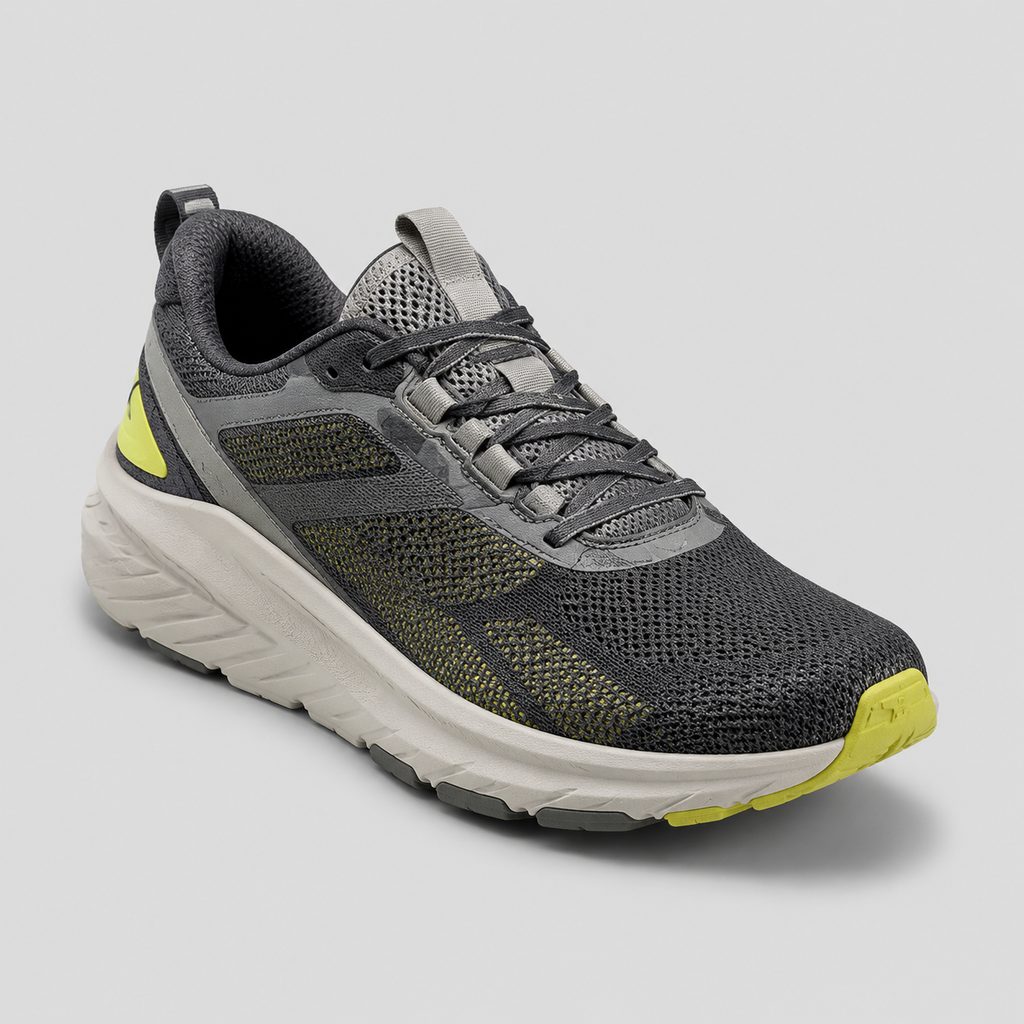
A wholesale training shoe manufacturer checklist starts with a narrow question: what does a supplier's public information actually establish about the requested model? Custom Shoe Factory includes training in its stated sport-footwear family. That supports opening a training-shoe inquiry, but it does not confirm a particular construction, component set, or performance outcome for the buyer's project.
The distinction matters because category scope, material information, running-shoe copy, and a running-shoe case example answer different questions. Public information can set the scope of an inquiry; a project-specific response is what may establish fit for the intended build. The buyer actions in this article are editorial recommendations for assessing incomplete supplier evidence, not descriptions of confirmed factory practices.
Match Each Claim to Its Scope
Before treating a supplier as a fit, sort each statement by the decision it can support. This evidence ladder keeps a broad category mention from becoming a finished product specification.
| Source scope | What it states | Buyer decision it can support |
|---|---|---|
| Sport-footwear family | Training appears alongside running, walking, and casual sneakers. | Whether a training-shoe inquiry is reasonable to open. |
| Engineered-mesh material page | Engineered mesh is described as suitable for running, training, and summer styles needing maximum airflow at a sensible cost. | Whether to ask a material-specific question about the proposed upper. |
| Running-shoe product range | The page describes daily-training running shoes and their stated running-range attributes. | Which construction questions require a direct, training-project reply. |
| Running-shoe launch example | The example concerns a first running-shoe order, from a reference pair to inspected first production. | Whether to ask which elements, if any, may apply to the buyer's project. |
These rows should remain separate. A category statement is not material approval. A material description is not a training-shoe construction. A running-shoe example is not a documented path for every training-shoe request.
Use the Training Category as an Entry Point
Custom Shoe Factory describes itself as focused on a sport-footwear family that includes running, training, walking, and casual sneakers. For training shoe supplier evaluation, that is a useful screening point: training is within the site's stated category scope. It is not evidence of a published training-shoe page, a training-specific outsole system, a fit standard, or a completed training-shoe project.
An editorial recommendation is to lead with the intended training use and the product direction, then ask which options may apply. Keep the buyer's reference images, visual preferences, and requested features in the product-definition portion of the inquiry. Do not present them as supplier-confirmed specifications simply because the site names the training category.
Ask About Engineered Mesh as an Upper Option
The materials page describes engineered mesh as a knitted or warp-knit synthetic. It attributes zoned density to ventilation, light stretch, and support. The page also identifies engineered mesh as best for running, training, and summer styles that need maximum airflow at a sensible cost. Those are material-level facts, not a complete upper specification for a training shoe.
The same material description gives zone-dependent information. It says engineered mesh typically runs at 90 to 250 GSM depending on the zone, with denser knit at the eyestay and toe. It also lists screen print, heat-transfer film, and welded TPU overlays as treatments the material takes cleanly.
| Material detail on the page | Editorial question for the buyer to ask |
|---|---|
| Zoned density is associated with ventilation, light stretch, and support. | Which of those priorities matter for the intended use, and could a zone layout address them? |
| The stated 90 to 250 GSM range varies by zone. | Could any weights or zone arrangements apply to this design? The range is not a whole-upper requirement. |
| Three branding treatments are listed as compatible with the material. | Given the branding concept, which treatment, if any, may apply to the selected material and design? |
The material page does not select the mesh, determine zone placement, or choose a decoration method for a particular project. For custom training shoe sourcing, retain those choices as questions for the manufacturer rather than treating any one option as settled.
Do Not Fill the Gaps with Running-Shoe Details
The product-range page speaks specifically about performance-inspired daily-training running shoes. It describes those running builds with breathable uppers and cushioned midsoles. The same running-shoe range lists mesh, knit, and PU uppers. It separately lists EVA and rubber outsoles.
None of those running-range details establishes an equivalent training-shoe configuration. A buyer may use them to identify the kinds of upper, midsole, and outsole questions that need direct discussion, but should not carry them into a training request as confirmed options. A reference shoe that resembles a running model is still buyer direction, not proof that the same arrangement applies to the requested training shoe.
Keep the Running Launch Example in Context
The case-studies page presents a "Running Shoe Launch for a New Brand." Its stated scope is a first running-shoe order structured from a reference pair to inspected first production. The excerpt does not establish that every order follows the same path, that the example applies to training shoes, or that a future project will receive the same inspection scope.
Use the example as a prompt for a bounded question: which elements of the reference-pair-to-inspected-first-production example, if any, may apply to this project? Do not relabel the example as a universal sampling or development process. The site excerpt supports only the running-order example it describes.
Separate the Product Definition from the Questions
The following request structure is an editorial template. Its left column contains buyer inputs. Its right column contains questions that request confirmation, rather than claiming documented company services or project promises.
| Buyer product definition | Question for the manufacturer |
|---|---|
| Intended training use and relevant user context. | Which development and manufacturability options may apply to the stated use? |
| Reference images or a reference pair, marked as direction rather than assumed specification. | Which elements can be assessed for this project, and what further definition is needed? |
| An interest in engineered mesh, including priorities for ventilation, light stretch, support, or appearance. | Whether an engineered-mesh direction may suit the proposed design. |
| Branding artwork or a branding concept. | Which material-treatment options, if any, may apply to the design? |
| The commercial context for the project. | Which sampling and quotation options may apply after the product definition is reviewed? |
Use the project inquiry form after identifying every point as either a buyer input or a confirmation question. That separation gives the manufacturer a clearer basis for reply and leaves the evidence trail readable during internal review.
Advance, Clarify, or Re-Scope
The initial category reference is not the decision. The buyer can use the project-specific reply to decide the next step.
- Advance
- Advance internal evaluation when the reply addresses the intended model and identifies options that may apply to the buyer's definition. Record those points as project-specific information.
- Clarify
- Clarify the request when the intended use, reference direction, upper priorities, or branding concept is still too vague to assess.
- Re-scope
- Re-scope when the request depends on a construction, performance target, component, or process that remains neither published nor confirmed.
The value of this checklist is not that it predicts a training-shoe outcome. It keeps category scope, material facts, running-shoe information, and the running launch example in their proper roles. That gives the buyer a disciplined basis for asking whether the requested project can be assessed.
Sources and verification
- About Custom Shoe Factory | OEM/ODM Athletic Shoes First-party site source
- Shoe Soles, Uppers & Insole Materials | Footwear Specs First-party site source
- Athletic Shoe Manufacturer | Custom Product Range First-party site source
- Footwear Manufacturing Case Studies | Example Project Formats First-party site source
Share the current product definition and ask which development, manufacturability, sampling or quotation options may apply to the project.
Send your project brief