OEM Sourcing
Wholesale Sneakers Reorder Package: BOM First
Multi-drop athletic footwear programs fail at reorder when the first OEM cycle never locks a bill of materials and tooling identity. Map published OEM hold language into buyer-side fields, keep development questions outside those locks, and hand off a stable package for the next drop.
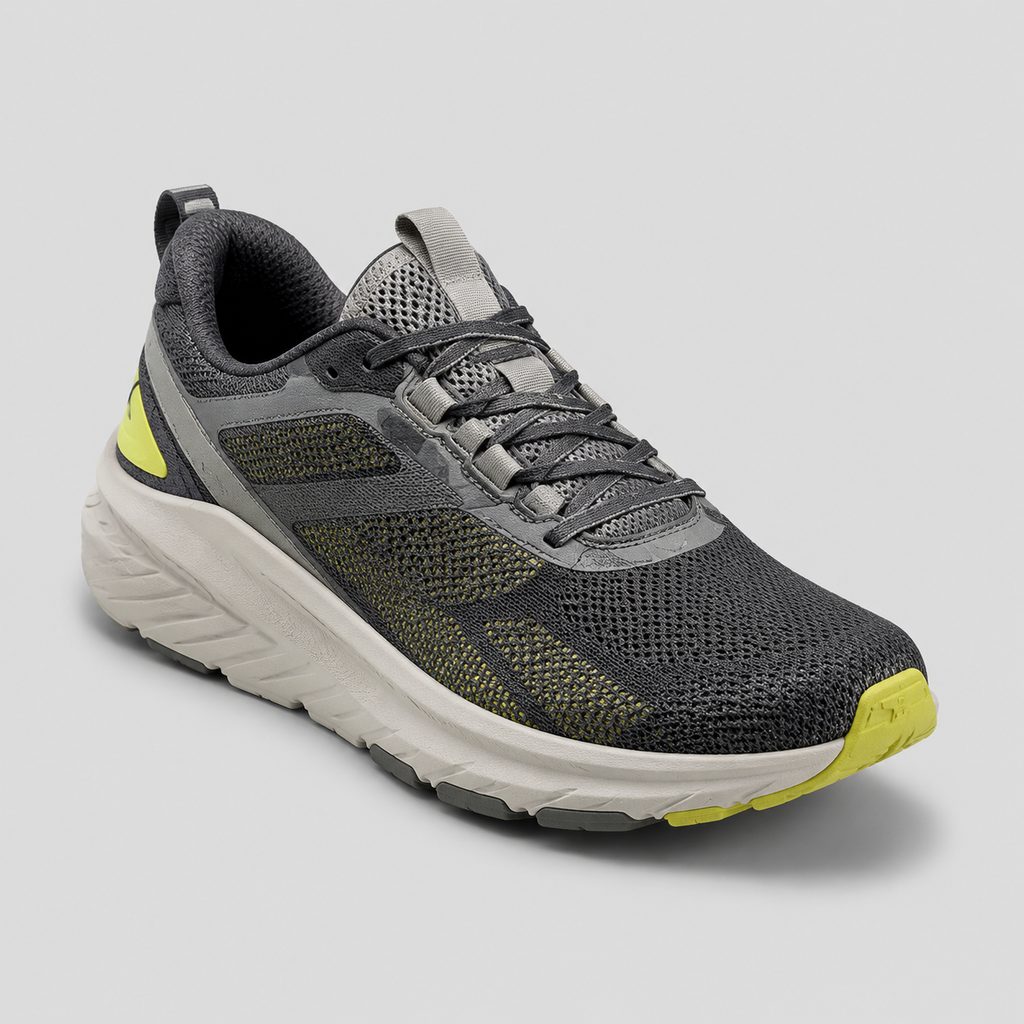
A wholesale sneakers reorder package is the buyer-side record that lets a later drop cite an approved bill of materials and tooling instead of reopening construction. Multi-drop athletic programs stall when first-cycle sign-off is treated as a visual sample exercise only. The next purchase order then arrives without a stable identity: no locked style family, no frozen construction strings, and no BOM reference the factory can hold. Editorial recommendation for the buyer: treat first-cycle approval as reorder readiness, map only the published OEM hold into explicit locks, and keep development or quotation topics outside those locks.
Why first-cycle wholesale sneakers briefs break reorders
Teams that plan two or more drops often assume materials and tooling will carry forward once a style ships. That assumption is reliable only when the first brief already contains fields stable enough to retain. When the first cycle stays conversational—midsole choices, upper constructions, outsole pairings, decoration methods—the reorder becomes another round of construction decisions rather than a reference to a held package.
The practical failure mode is identity, not unit cost alone. Which upper construction was approved? Which midsole and outsole pairing shipped? Which decoration methods sit on which zones? Which style family does the program belong to? Without those locks, a multi-season buyer cannot ask for continuity; they can only re-negotiate the shoe. Frame reorders as a package problem so attention stays on the records that must survive first-cycle approval.
What the published OEM hold covers and stops covering
On the OEM and ODM services description, the factory states that OEM work manufactures to the buyer’s tech pack and design, flags manufacturability issues during DFM, and holds the bill of materials and tooling across reorders. That sentence is the published athletic footwear tooling hold used in this article: build-to-spec manufacture with retention of BOM and tooling after production. It is not a free-form development promise and not an ownership-transfer statement.
Hold duration, storage fees, free-storage windows, tooling ownership transfer, and reorder-specific QC protocols are not defined in the excerpt. Treat them as evidence gaps. A buyer may still ask which sampling, packing, or quotation information applies to a later drop; those remain inquiry topics until a project-specific reply defines them. Do not convert the published hold into free indefinite storage or automatic reorder inspection scope.
Editorial recommendation for the buyer: lock the tech-pack fields the hold can reference, capture DFM manufacturability flags that were accepted or redesigned before first production, and store the OEM sneakers bill of materials and tooling identity the factory is expected to retain. Everything else stays on the inquiry list. Full service context lives on the OEM and ODM development page.
Style membership before any BOM can be retained
A retained BOM only makes sense inside a product family the factory already positions as its specialty. The about page describes sport-footwear focus as one product family done consistently: running, training, walking, and casual sneakers—not a catch-all factory. The products range places performance-inspired daily-training running builds inside that same athletic set and notes retail, ecommerce, and private-label channels as go-to-market labels rather than construction systems.
Before first-cycle sign-off, force style membership into explicit fields:
- Primary sport or use label: running, training, walking, or casual sneakers.
- Statement that the program is not a catch-all or off-family build outside those four.
- Channel context (retail, ecommerce, or private label) recorded as distribution intent only, never as a substitute for upper, midsole, or outsole construction.
- Style-family code or internal name the reorder PO will cite when requesting held BOM and tooling.
If membership stays ambiguous, a reorder request can sound like a request to retain an undefined shoe. Membership is the first lock because the published hold is meaningful only for a style already treated as in-family athletic footwear. Company background on that specialist framing is on the about page; the published product set is on the athletic product range.
Construction strings that must survive into the BOM
After membership is fixed, translate published construction language into BOM-stable fields a reorder can cite. Keep product-range statements and materials-page statements separate; do not merge them into one invented capability list.
The running-shoe product description lists performance-inspired daily-training builds with breathable uppers and cushioned midsoles, with mesh, knit, or PU upper options and EVA and rubber outsoles. Those lines become discrete BOM fields only when the approved style actually used them: upper material class, midsole cushioning cue, outsole pairing. Channel labels listed beside those builds stay commercial context.
The materials page describes engineered mesh as air mesh or sandwich mesh—a knitted or warp-knit synthetic with zoned density for ventilation, light stretch, and support. It notes that the construction takes screen print, heat-transfer film, and welded TPU overlays cleanly, typically runs at 90–250 GSM depending on the zone, with denser knit at the eyestay and toe, and is positioned for running, training, and summer styles that need airflow at sensible cost. Those details become zone-density, GSM range, and decoration-method fields only when the approved upper is engineered mesh. They are not automatic for every knit or PU upper on the product page.
| BOM-stable field | Published construction string to capture | Evidence boundary |
|---|---|---|
| Upper material class | Mesh, knit, or PU as approved for the style | Product-range running-shoe options only |
| Engineered-mesh detail (if used) | Air mesh or sandwich mesh; zoned density; denser eyestay and toe; 90–250 GSM by zone | Materials-page engineered mesh only; do not apply to every upper |
| Decoration methods on mesh zones | Screen print, heat-transfer film, welded TPU overlays where approved | Tied to engineered-mesh description; not a global branding system |
| Midsole cue | Cushioned midsole as shipped in first cycle | Product-range running language; freeze only if that string shipped; no unlisted compounds |
| Outsole pairing | EVA and rubber outsoles as approved | Product-range pairing only; freeze only if that pairing shipped |
| Use framing | Running, training, or summer airflow intent when mesh is specified | Materials best-for note; still requires style-family membership above |
Freeze only strings that first-cycle production actually used. Do not invent unlisted foams, membranes, or performance claims. Material detail for engineered mesh lives on the materials specifications page.
Build-to-spec locks versus open inquiry topics
The OEM statement separates retained manufacturing responsibilities from topics a buyer still needs to ask about. Keep the two lists apart so inquiry language never masquerades as a retained service. For build-to-spec sneakers reorders, the left column is what the published hold can protect; the right column still needs a project reply.
| Documented OEM locks | Open inquiry topics |
|---|---|
| Manufacture to the buyer’s tech pack and design | Which development path applies if the next drop changes silhouette or last |
| Manufacturability issues flagged during DFM, with accepted resolutions recorded | Whether a new sample round is required for a colorway-only or decoration-only change |
| Bill of materials held across reorders | Which quotation basis or packing detail applies to the next drop |
| Tooling held across reorders | Hold duration, storage terms, or transfer conditions not published in the OEM excerpt |
DFM appears here only as the published manufacturability flag inside build-to-spec work. It is not a pre-quote checklist spine and not a substitute for the BOM itself. When a reorder request confuses the two columns, construction reopens and continuity is lost.
Assemble the wholesale sneakers reorder package
After first-cycle approval, assemble a package the next purchase order can attach or reference. The package is buyer-owned documentation that points at held BOM and tooling identity; it is not a claim that any commercial term beyond the published hold is already settled.
- Style-family membership: running, training, walking, or casual sneakers, with an explicit non-catch-all note.
- Approved tech-pack revision ID and date used for first production.
- DFM manufacturability flags raised, plus the construction decisions that closed them.
- BOM identity the factory is expected to hold: upper class; engineered-mesh zone and GSM detail if used; decoration methods by zone; cushioned midsole cue only when that product-range string actually shipped for the approved style (do not inherit running defaults onto walking or casual programs); EVA and rubber outsole pairing only when that pairing actually shipped; and any other component strings that left first production.
- Tooling identity reference agreed at first production (buyer-side label for the held tooling set).
- Channel labels recorded as retail, ecommerce, or private label context only.
- Open inquiry list for the next drop: sampling path, quotation basis, packing, or any hold-term question not covered by the OEM excerpt.
One hypothetical illustration: a training-sneaker program freezes mesh upper class, eyestay density, screen-print placement, cushioned midsole cue, and EVA-rubber outsole pairing into a single BOM ID, cites that ID on the second-drop PO, asks only which quotation options apply, and avoids reopening midsole chemistry. The illustration is not a customer case; it shows how package fields reduce construction noise.
Open a reorder conversation without reopening the build
When the package is ready, open the next conversation by sharing the locked product definition rather than a blank brief. Reference style-family membership, tech-pack revision, BOM identity, and tooling identity first. Then ask which development, manufacturability, sampling, or quotation options may apply to the next drop. That sequence keeps construction closed unless the buyer intentionally changes a field.
- Attach or summarize the approved tech-pack revision and the BOM fields frozen after first cycle.
- State that the request expects the held bill of materials and tooling identity under the published OEM build-to-spec model.
- List only the intentional deltas for the next drop (for example colorway or decoration change), each mapped to a BOM field.
- Ask which sampling, manufacturability review, or quotation path applies to those deltas; do not restate a full sourcing checklist.
- Leave hold duration, storage terms, packing, and QC scope as questions if they still lack project-specific answers.
That handoff is the conversion behavior this article supports: a clear product definition plus a scoped ask. Use the request-a-quote form when the package is ready so the next drop starts from locks, not from a rebuilt brief.
Sources and verification
- OEM / ODM Shoe Development | Custom Footwear Manufacturing First-party site source
- About Custom Shoe Factory | OEM/ODM Athletic Shoes First-party site source
- Athletic Shoe Manufacturer | Custom Product Range First-party site source
- Shoe Soles, Uppers & Insole Materials | Footwear Specs First-party site source
Share the current product definition and ask which development, manufacturability, sampling or quotation options may apply to the project.
Send your project brief