Buyer Guides
Wholesale Sneakers Reorder BOM Tooling: Lock the Build
Treat a wholesale sneakers reorder as a written build-control review: confirm the current specification, resolve DFM questions, and ask about BOM and tooling hold.
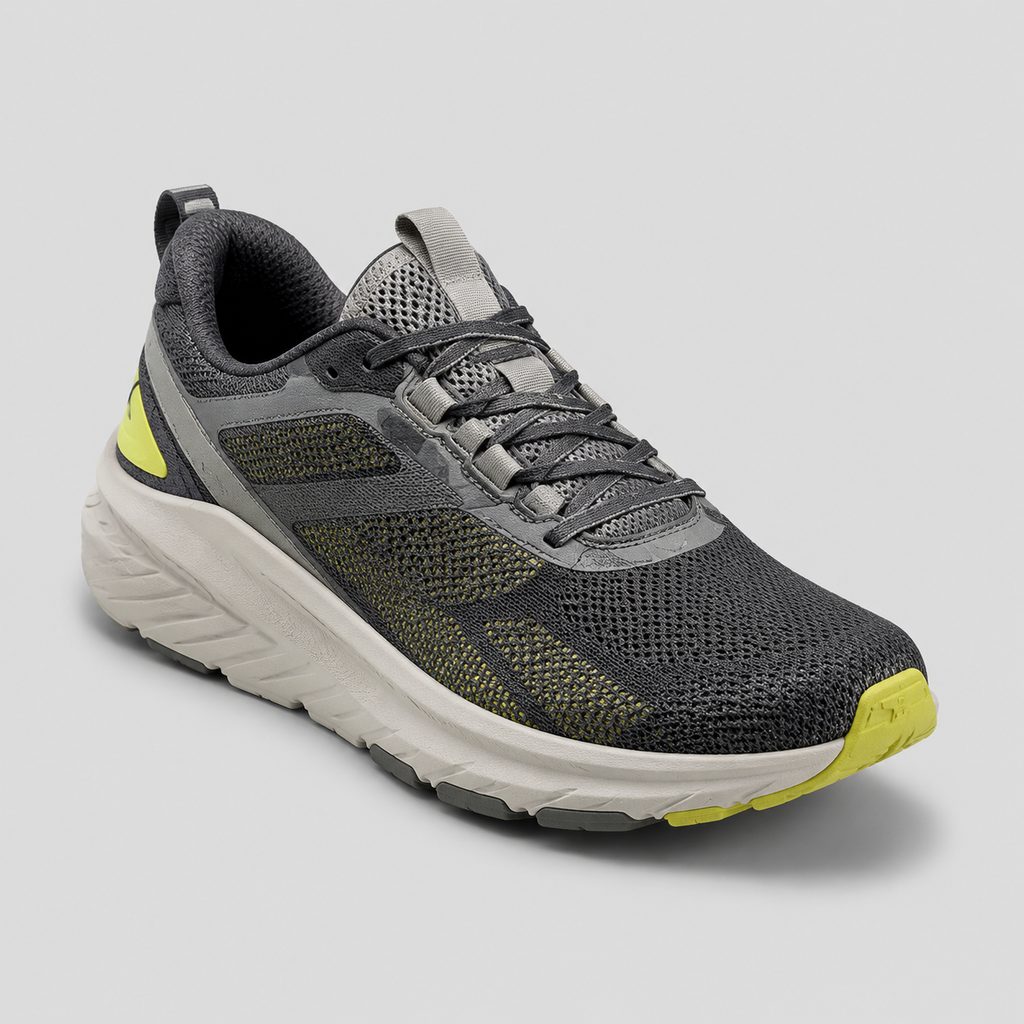
The wholesale sneakers reorder BOM tooling review happens after an approved style is due to be quoted or produced again. For the buyer, the useful question is not whether the style name survives. It is which parts of the current definition are intended to remain unchanged and which are being submitted as changes.
Make that decision before commercial discussion. The recommendations below turn the published product and OEM language into a written request. They do not establish that a later run will have a particular fit, performance, or defect outcome.
What is being requested: repeat or revision?
Use clear labels in the buyer brief before asking for a price. This keeps a request to retain an approved build separate from a request that changes the build.
- Repeat request: identify the current tech pack and design, then ask whether the bill of materials and tooling from the prior run can be held.
- Revision request: name each intended change to the product family, construction, engineered-mesh detail, decoration method, or DFM decision.
- Open-item request: list a question that has not yet been resolved instead of presenting it as part of the established build.
This is editorial workflow advice for the buyer, not a published factory classification system. Its purpose is to make the request legible before a supplier is asked to compare commercial terms.
OEM continuity has two published commitments
Under its OEM offering, Custom Shoe Factory states that it manufactures to the buyer's tech pack and design. The same OEM description states that manufacturability issues are flagged during DFM and that the buyer's bill of materials and tooling are held across reorders.
- Build reference
- For the buyer, attach the current tech pack and identify the design version that defines the requested build.
- DFM review
- Ask which manufacturability issues remain open for the current request and record the decision on each item in the project file.
- BOM and tooling hold
- Ask whether the BOM and tooling from the prior run can be held for this reorder, or identify the items the buyer intends to change.
For OEM wholesale sneakers reorders, review DFM questions before treating BOM and tooling hold as the next step. The published excerpt does not describe a particular approval record, test method, or commercial condition, so those project details need their own written questions.
Does the style still fit the published family?
The about page identifies Custom Shoe Factory as a sport-footwear specialist focused on running, training, walking, and casual sneakers. Keep the reorder request within that published family unless the buyer is deliberately opening a new product-development discussion.
The products page describes its running shoes as performance-inspired daily-training builds with breathable uppers and cushioned midsoles. It does not establish the same construction or use case for every style in the wider footwear family. A buyer should therefore state the applicable category and use the current tech pack to define the individual style.
A construction record is more useful than a style nickname
The running-shoe listing provides limited but useful construction language. It lists mesh, knit, and PU uppers. It also lists EVA and rubber outsoles. Use those terms as a starting point only when they match the approved product definition.
- Upper: identify mesh, knit, or PU where that is the approved upper type.
- Product language: retain breathable-upper and cushioned-midsole wording only when it remains part of the intended design description.
- Outsole: state EVA and rubber where those materials are part of the current build.
- Category: name the applicable running, training, walking, or casual-sneaker program.
These are buyer-controlled definition fields. Do not turn general product-page wording into an unprovided stack height, hardness value, performance test, or acceptance standard.
For engineered mesh, record zones and decoration
The materials page identifies engineered mesh as air mesh or sandwich mesh. It describes the material as a knitted or warp-knit synthetic with zoned density for ventilation, light stretch, and support. The source gives a typical range of 90-250 GSM depending on the zone, with denser knit at the eyestay and toe.
| Record item | Published material detail | Buyer instruction |
|---|---|---|
| Mesh construction | Air mesh or sandwich mesh; knitted or warp-knit synthetic | State the applicable construction or the matching technical specification from the approved build. |
| Density | Typically 90-250 GSM depending on the zone | Where GSM is part of the project definition, record it by zone rather than as an unqualified mesh label. |
| Dense zones | Denser knit at the eyestay and toe | Identify whether those zones are part of the requested construction. |
| Decoration | Screen print, heat-transfer film, and welded TPU overlays | Name the selected method and its intended graphic location in the buyer brief. |
The materials source presents this information for engineered mesh, not for every knit or PU upper. It also positions engineered mesh for running, training, and summer styles that need maximum airflow at a sensible cost.
Keep the proposed changes out of the hold request
Editorial recommendation: prepare two short lists. One identifies what the buyer wants retained. The other identifies everything that is changing or still awaiting a decision.
- Items to identify as held: the current tech pack and design, the applicable product family, the construction record, relevant engineered-mesh details, the selected decoration method, and DFM decisions already recorded for the project.
- Items to state as changes or open questions: a category shift, a different upper or outsole material, revised mesh zones or GSM, a different decoration method, a new tooling request, or an unresolved manufacturability issue.
The OEM statement about holding BOM and tooling is not a statement about defect rates, retail fit, laboratory results, or acceptance thresholds. Where those requirements matter, make them project-specific questions rather than assumptions attached to the word reorder.
A brief the factory can answer
Send one concise request that distinguishes the existing build from the changes under consideration.
- State the applicable product family: running, training, walking, or casual sneakers.
- Attach the current tech pack and identify the design version that the request refers to.
- Restate the approved construction, including upper type, applicable midsole language, outsole materials, and engineered-mesh details where relevant.
- List the DFM questions that remain open and the decisions that the buyer wants retained.
- Ask whether the bill of materials and tooling from the prior run can be held for the request.
- Ask which sampling, MOQ, packing, development, or quotation details may apply to this specific project without treating them as site-wide promises.
Share the current product definition through request a quote. A clear hold list and change list give the factory a basis to answer what can remain in scope and what still needs agreement.
Sources and verification
- About Custom Shoe Factory | OEM/ODM Athletic Shoes First-party site source
- Athletic Shoe Manufacturer | Custom Product Range First-party site source
- OEM / ODM Shoe Development | Custom Footwear Manufacturing First-party site source
- Shoe Soles, Uppers & Insole Materials | Footwear Specs First-party site source
Share the current product definition and ask which development, manufacturability, sampling or quotation options may apply to the project.
Send your project brief