Footwear Sourcing
Wholesale Sneakers: Define Reorders Early
Before sampling a sneaker that may be reordered, buyers can define the product references that should govern later requests. This guide separates those buyer-defined requirements from Custom Shoe Factory's published OEM scope and project-specific inquiry topics.
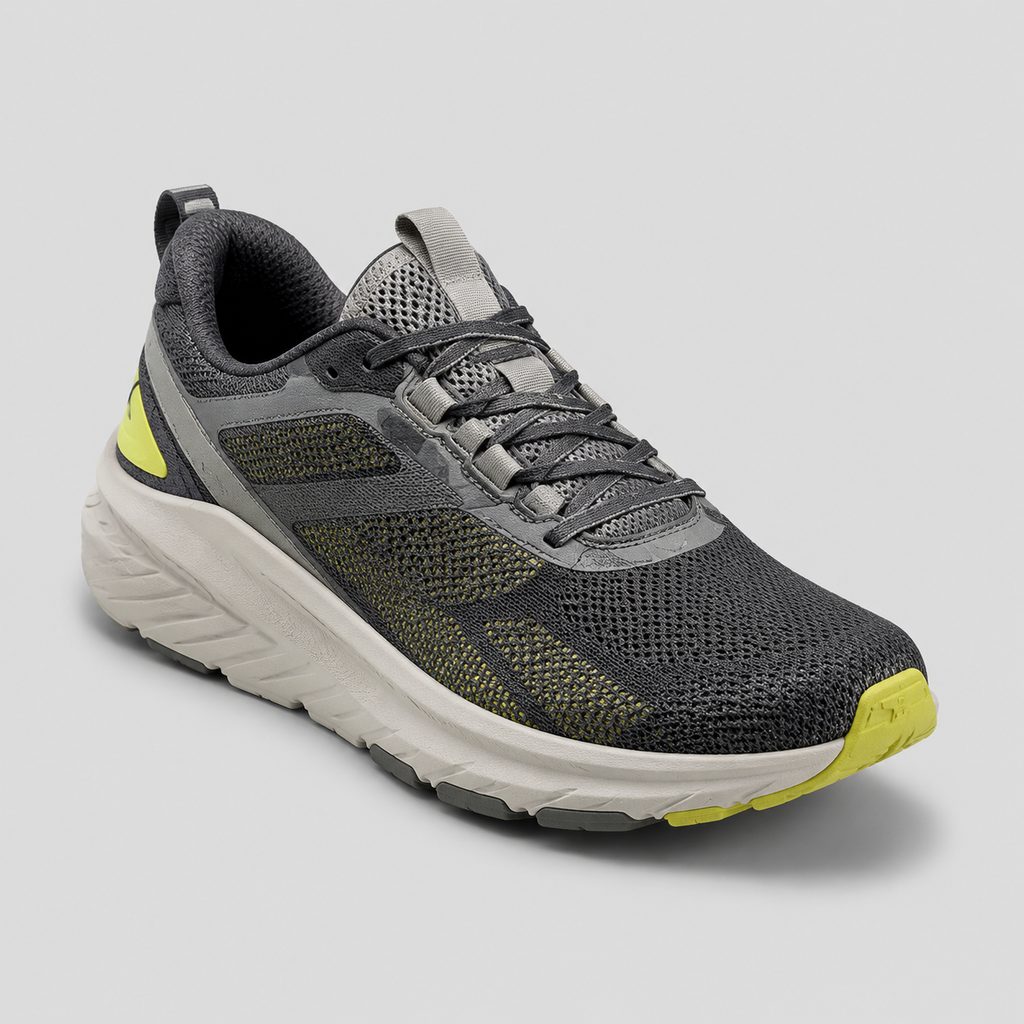
Before submitting a wholesale sneaker for sampling, decide whether the product definition may need to support a later reorder. If it does, an editorial recommendation is to prepare two records from the start: the current specification and a separate list of unresolved continuity questions.
The specification identifies the product the buyer wants developed. The question list covers matters that require supplier assessment, such as proposed substitutions, the reference that would govern a reorder, tooling suitability and whether a change may call for renewed sampling. Keeping these records separate prevents unanswered questions from being treated as agreed procedures.
This approach also keeps the sourcing discussion within the available evidence. Custom Shoe Factory says it manufactures to the buyer's tech pack and design, flags manufacturability issues during DFM, and holds the bill of materials and tooling across reorders. The company does not document a broader change-control process in the supplied sources, so buyers should raise related requirements as questions rather than assumptions.
Start with a continuity record
A style name is useful for identification, but it is not a complete repeat-order baseline. A description such as “mesh running shoe” leaves the selected mesh construction, sole system, branding application and governing product reference undefined.
For buyer planning, the continuity record should distinguish three layers:
- Buyer-defined product requirements: the category, intended use, tech pack or design reference, selected construction and approved branding details.
- Published OEM responsibilities: the limited activities Custom Shoe Factory describes for build-to-spec OEM work.
- Open inquiry topics: project-specific questions that the published sources do not resolve.
This is an editorial framework for organizing an OEM sneaker specification. It is not presented as a factory procedure. Its purpose is to help the buyer show which details are fixed, which remain provisional and which require a response before a future reorder can be evaluated.
Use engineered mesh as a specification test
Custom Shoe Factory's materials overview shows why a broad material name can conceal important choices. Its engineered-mesh description names air mesh and sandwich mesh. It separately describes knitted or warp-knit synthetic construction with zoned density.
The source says the material takes screen print, heat-transfer film and welded TPU overlays. It also gives a typical range of 90–250 GSM depending on the zone, with denser knit at the eyestay and toe.
These statements describe the published material family. They do not prescribe a construction for every project, make the GSM range mandatory or establish that every value will be available or suitable for a particular shoe.
| Published material description | Detail for the buyer to define or ask about |
|---|---|
| Air mesh and sandwich mesh | Identify the selected construction or the specific reference still under consideration. |
| Knitted or warp-knit synthetic | Record which construction is part of the current product definition. |
| Zoned density | Show the relevant zones and the intended differences between them. |
| Typically 90–250 GSM depending on the zone | Submit the project-specific weight or zoned definition for assessment rather than adopting the full published range as a target. |
| Takes screen print, heat-transfer film and welded TPU overlays | Name the selected application and provide the corresponding artwork, placement and colour references where relevant. |
The procurement lesson is narrow: “engineered mesh” can identify a material family without identifying the approved upper. Buyers planning wholesale sneaker reorders should capture the selected construction and project reference instead of relying on the family name alone.
Define the shoe within the documented category
Custom Shoe Factory describes its focus as running, training, walking and casual sneakers. The buyer should place the project within one of those documented categories and describe the intended use in the buyer's own terms.
The company's running-shoe description refers to breathable uppers and cushioned midsoles. For that running-shoe scope, it also lists mesh, knit and PU uppers. The same running-shoe excerpt lists EVA and rubber outsoles. These lists should not be treated as a company-wide option matrix for training, walking or casual sneakers, or as a single required running-shoe configuration.
As editorial buyer guidance, a continuity-focused product definition can include:
- Category and use: identify the sneaker as running, training, walking or casual, then state its intended use.
- Governing reference: provide the current tech pack or design reference and the buyer's revision identifier, if one is used.
- Upper: define the selected material, construction and relevant zoning instead of recording only a family name.
- Sole system: identify the selected midsole and outsole references needed to distinguish the approved system from alternatives.
- Branding: record the selected application, artwork reference, placement, dimensions and colour definition where applicable.
- Expected constants: mark the product elements the buyer expects to remain unchanged.
- Provisional decisions: label unresolved materials, applications or construction choices as open rather than approved.
This information gives the bill of materials and tooling a defined product context. It also helps the buyer avoid using one style name for different product revisions.
Keep the published OEM boundary narrow
On its OEM and ODM page, Custom Shoe Factory makes three relevant statements about build-to-spec OEM work. Each supports a limited part of reorder planning.
| Published OEM statement | Procurement implication | Question or risk that remains open |
|---|---|---|
| Manufacture to the buyer's tech pack and design | The buyer's tech pack and design are inputs to the OEM build. | The source does not show that an informal description contains enough detail to govern a reorder. |
| Flag manufacturability issues during DFM | The published scope includes identifying manufacturability issues during DFM. | DFM should not be interpreted as eliminating every manufacturing risk or guaranteeing a production outcome. |
| Hold the bill of materials and tooling across reorders | The OEM description connects the bill of materials and tooling with reorders. | The statement does not specify indefinite storage, component availability, ownership, transferability, maintenance, replacement responsibility or automatic equivalence between runs. |
For procurement purposes, use the published statement about the bill of materials and tooling only at that scope. Ask separately whether the relevant tooling remains suitable for the next requested run and how any unavailable or proposed substitute component would be addressed. Those are inquiry topics, not documented company promises.
Separate requirements from reorder questions
A buyer can use the following worksheet to keep approved definitions apart from matters awaiting supplier assessment. The second column does not describe established Custom Shoe Factory services.
| Fixed in the buyer's current definition | Open question for project-specific assessment |
|---|---|
| Current tech pack or design reference | Which submitted reference would govern the requested reorder? |
| Approved upper construction and material reference | How would a proposed material substitution be communicated and assessed? |
| Defined midsole and outsole system | Would the relevant tooling remain suitable for the next requested run? |
| Approved branding application and artwork reference | Would a proposed application change require additional development or renewed sampling? |
| Elements the buyer expects to remain unchanged | Which development, manufacturability, sampling or quotation options may apply to the current project? |
Questions about substitutions, tooling checks and renewed sampling should remain visibly open until the supplier responds for the project. The supplied evidence does not establish formal substitution approval, change notification, tooling reassessment or resampling procedures.
Prepare the supplier handoff
A continuity-focused handoff should present the current shoe before presenting reorder questions. The following sequence is an editorial recommendation for the buyer:
- State whether the project is a running, training, walking or casual sneaker and describe its intended use.
- Identify the current tech pack or design, including the buyer's revision identifier where applicable.
- List the upper, sole system, branding and other product elements expected to remain unchanged.
- Identify any material, construction or branding decisions that remain provisional.
- Place substitution, governing-reference, tooling and renewed-sampling questions in a separate inquiry section.
Share that current product definition through the project inquiry form and ask which development, manufacturability, sampling or quotation options may apply. Before submitting, the buyer can also review the published materials information and distinguish selected references from choices that still require assessment.
Sources and verification
- OEM / ODM Shoe Development | Custom Footwear Manufacturing First-party site source
- About Custom Shoe Factory | OEM/ODM Athletic Shoes First-party site source
- Athletic Shoe Manufacturer | Custom Product Range First-party site source
- Shoe Soles, Uppers & Insole Materials | Footwear Specs First-party site source
Share the current product definition and ask which development, manufacturability, sampling or quotation options may apply to the project.
Send your project brief