Sourcing Guides
Wholesale Running Shoes Midsole Outsole Specification
A sole-unit brief for wholesale running shoes that stays inside published daily-training language: cushioned midsoles, EVA and rubber outsoles, and clear open questions for sampling or quotation.
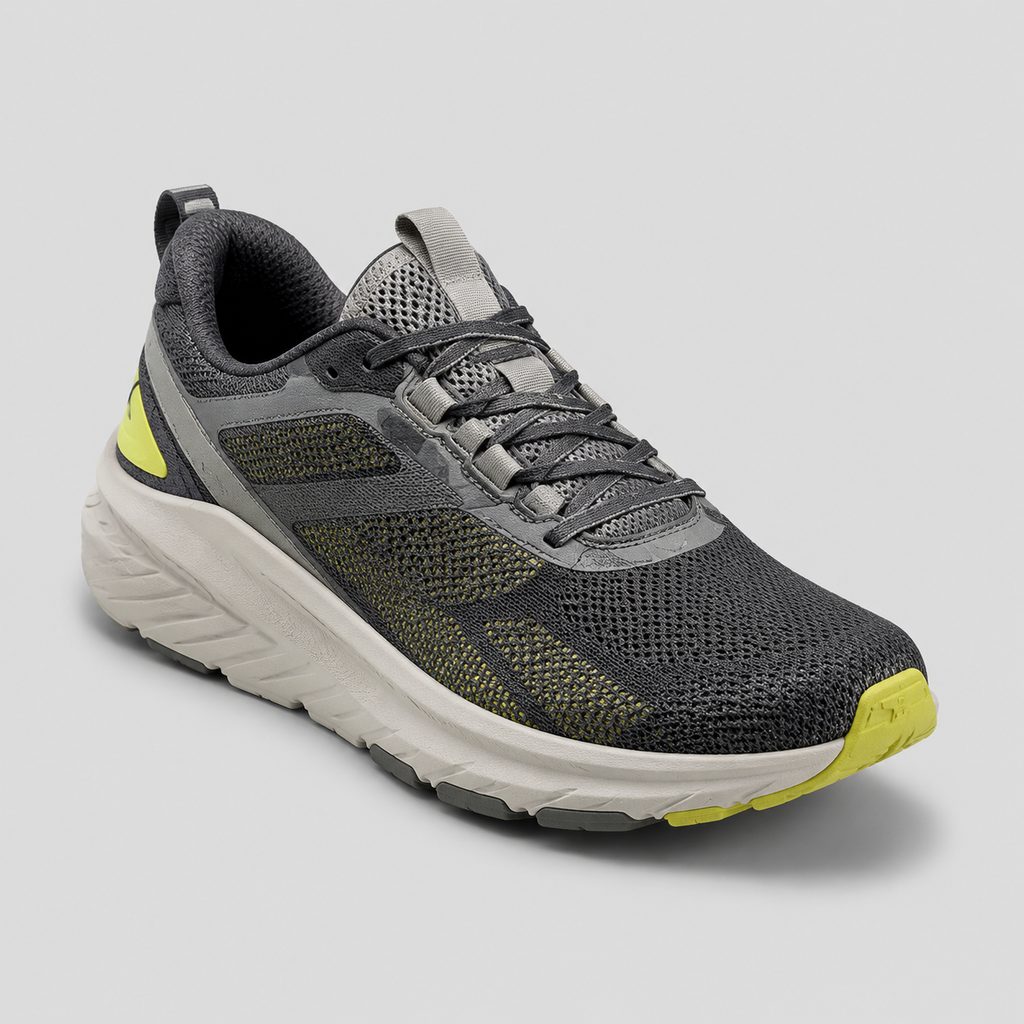
Many wholesale running programs stall after the upper sketch is finished. Logos, colorways, and mesh callouts land in the RFQ, while the bottom unit is still described as soft, responsive, or grip. A usable wholesale running shoes midsole outsole specification starts from the opposite habit: lock the sole unit to language the product range actually publishes, then leave chemistry, stack, and abrasion scores as open manufacturer questions rather than invented commitments.
When development cannot compare midsole options and quotation cannot anchor outsole cost, suppliers fill blanks with their own defaults, and later samples contradict the buyer. Brands, importers, and product-development teams need a daily-training build that can be sampled and quoted without pretending foam grades or lab indices appear in the published range. The handoff is a sole-unit boundary, not a performance catalog.
Why incomplete sole-unit RFQs stall wholesale running programs
Incomplete RFQs often look complete on paper. Upper pattern notes, brand marks, and size runs arrive with confidence. Under the foot, the brief collapses into adjectives. Development has no midsole field to discuss if cushioning is only a slogan. Quotation has nothing stable for outsole cost if rubber coverage, EVA pairing, or tread intent never appear inside what the range lists.
The practical failure is not missing inspiration. It is missing manufacturable fields. When cushioned midsoles and outsoles stay open language, the bottom unit becomes a surprise at sampling. Treat the sole unit as a specification object early, even while several numbers remain unknown.
Daily-training language as the scope wall
On the Custom Shoe Factory product range, running shoes are framed as performance-inspired daily-training builds with breathable uppers and cushioned midsoles. That same record lists mesh, knit, or PU upper options and EVA and rubber outsoles, and names retail, ecommerce, and private label as program contexts. That wording is the buyer’s scope wall for this handoff. It supports a wholesale daily-training running brief. It does not license elite racing, trail, or basketball claims.
The company also describes itself as a sport-footwear specialist focused on one product family done consistently: running, training, walking, and casual sneakers, not a catch-all factory. Use that family limit when deciding whether a request still belongs in the running lane. If the program needs a different sport category, name that plainly rather than stretching running until the sole unit no longer matches the published line.
Buyers who want to see how the range is presented can review the running and athletic product range and the OEM/ODM positioning before drafting sole-unit questions.
What a cushioned midsole field can hold
The published phrase is cushioned midsoles. That is a legitimate field to put on a brief and a legitimate topic when asking which development or sampling path fits the project. It is not a data sheet.
For cushioned midsole wholesale running shoes programs, buyers can reasonably state:
- Daily-training use rather than race-day framing
- Cushioning as program intent, not a marketing slogan alone
- A firmer or softer feel preference only as a discussion starter, labeled as preference until samples exist
- Need for consistency across sizes once a construction is approved
Leave these items open rather than inventing answers:
- Stack height in millimeters
- Heel-to-toe drop
- Foam chemistry, density, or durometer
- Named foam families or plate systems
- Lab energy-return or compression scores
Editorial recommendation for the buyer: write cushioned midsole for daily training as the locked product language, then list the unknowns as questions for manufacturability review. Do not convert those unknowns into claimed factory capabilities. The product page does not state that midsoles are EVA; keep that claim out of the brief.
EVA and rubber outsole questions for OEM pairing
For the same running builds, the range lists EVA and rubber outsoles. That pairing is the correct outsole field to brief. It tells a supplier you expect EVA-and-rubber bottom-unit language, not an open-ended whatever sole you have menu.
Teams briefing EVA rubber outsole running shoes OEM work can stay inside that pairing by noting where rubber should protect high-wear zones, how much of the contact surface should read as rubber versus EVA, and whether the program needs a more road-oriented tread look versus a smoother daily-trainer face. Those are buyer intent notes. They are not abrasion indices, rubber compound grades, or a free-form sole menu beyond the product record.
Avoid inventing DIN abrasion numbers, carbon-rubber blends, or multi-density outsole stacks the evidence does not describe. If a reference pair shows a tread you like, say so and ask whether that geometry is manufacturable under the EVA-and-rubber framing. If you have no reference pair, describe channel and use (city pavement, treadmill-heavy training, light multi-surface walking to the gym) without forcing trail-shoe language onto a daily-training line.
Channel notes without packaging or MOQ invention
The running range names retail, ecommerce, and private label as program contexts. Channel intent can change how tightly you want sole-unit consistency and visual continuity across colorways. A private-label retailer may care more about shelf-stable appearance. An ecommerce brand may care more about how cushioning photographs and how returns relate to fit and feel.
For daily training running shoes private label intent, name the channel so priorities are clear. Do not invent channel-specific packaging kits, hangtags, carton marks, or commercial quantities. Evidence does not publish MOQs, unit prices, lead times, or container loads for these programs. Editorial recommendation for the buyer: ask which sampling, packing, or quotation information may apply to the project, and treat the answer as an inquiry outcome rather than a service promise already documented on the page.
When upper and fit work should stay separate
Uppers still matter, but they are a boundary here, not the topic. The running product language lists mesh, knit, and PU uppers. Materials content elsewhere discusses engineered mesh, air mesh, sandwich mesh, and typical GSM ranges by zone for ventilation and support. Those upper details belong in a separate mesh or branding brief. Pulling them into the sole-unit document recreates work already covered elsewhere and dilutes the midsole-outsole decision.
| Keep in this sole-unit brief | Park for a separate upper or fit brief |
|---|---|
| Daily-training product language | Engineered-mesh zone maps and GSM targets |
| Cushioned midsole intent and open foam questions | Screen print, heat-transfer, or welded TPU logo placement on mesh |
| EVA and rubber outsole pairing questions | Size-grading inspection rows and last-length control tables |
| Retail, ecommerce, or private-label channel note | Full colorway and upper pattern packages without sole notes |
If upper materials need a deeper pass later, the materials and footwear specs page is the cleaner place to start. For this handoff, one line such as breathable mesh or knit upper preferred is enough to stay aligned with the published running builds without reopening GSM debates.
Process order from reference pair to inspected first production
Custom Shoe Factory publishes an example project format for a running-shoe launch for a new brand: how a first running-shoe order is structured from reference pair to inspected first production. Use that only as process order language, not as a quantified customer case.
- Start from a reference pair or a tightly written sole-unit intent if no physical pair exists.
- Align daily-training product language, cushioned midsole questions, and EVA-and-rubber outsole notes before upper decoration consumes the conversation.
- Move development and sampling only after the bottom unit fields are visible enough to compare builds.
- Treat inspected first production as the point where approved sole-unit decisions must still match what was sampled, not as a place to invent new foam or outsole claims.
The case-studies page frames that path as an example structure. It does not publish order sizes, timelines, or test results. Readers can open the example project formats if they want the process framing in the site’s own words.
Sole-unit handoff fields that keep gaps visible
A strong handoff is short and incomplete on purpose. It shows what you already know and what you still need answered. Consider including:
- Product frame: performance-inspired daily-training running shoe, not racing or trail
- Midsole: cushioned midsole intent; list stack, drop, and foam chemistry as open questions
- Outsole: questions inside the EVA and rubber pairing; no invented abrasion scores
- Upper boundary only: breathable mesh, knit, or PU preference without full GSM mapping
- Channel note: retail, ecommerce, or private label, without fabricated packaging or quantity claims
- Process note: reference pair available or not; desire to follow a first-order path toward inspected first production
- Ask: which development, manufacturability, sampling, or quotation options may apply to this definition
Hypothetical example: a product developer might attach one worn retail pair as a feel reference, write cushioned daily trainer with EVA and rubber outsole language preferred, and list three open items (stack target unknown, rubber coverage unknown, foam type unknown). That sequence clarifies intent without pretending the factory already published answers.
When the sole unit is written this way, quotation and sampling conversations start from the same wall the product range uses. Share the current product definition through the site’s request a quote path and ask which options fit, rather than filling every blank with unstated performance claims.
Sources and verification
- Athletic Shoe Manufacturer | Custom Product Range First-party site source
- Footwear Manufacturing Case Studies | Example Project Formats First-party site source
- About Custom Shoe Factory | OEM/ODM Athletic Shoes First-party site source
- Shoe Soles, Uppers & Insole Materials | Footwear Specs First-party site source
Share the current product definition and ask which development, manufacturability, sampling or quotation options may apply to the project.
Send your project brief