Sourcing Guides
White Label Athletic Shoes Wholesale DFM Questions
A buyer-facing DFM brief for turning an athletic shoe inquiry into a clearer build-to-spec supplier conversation before quotation.
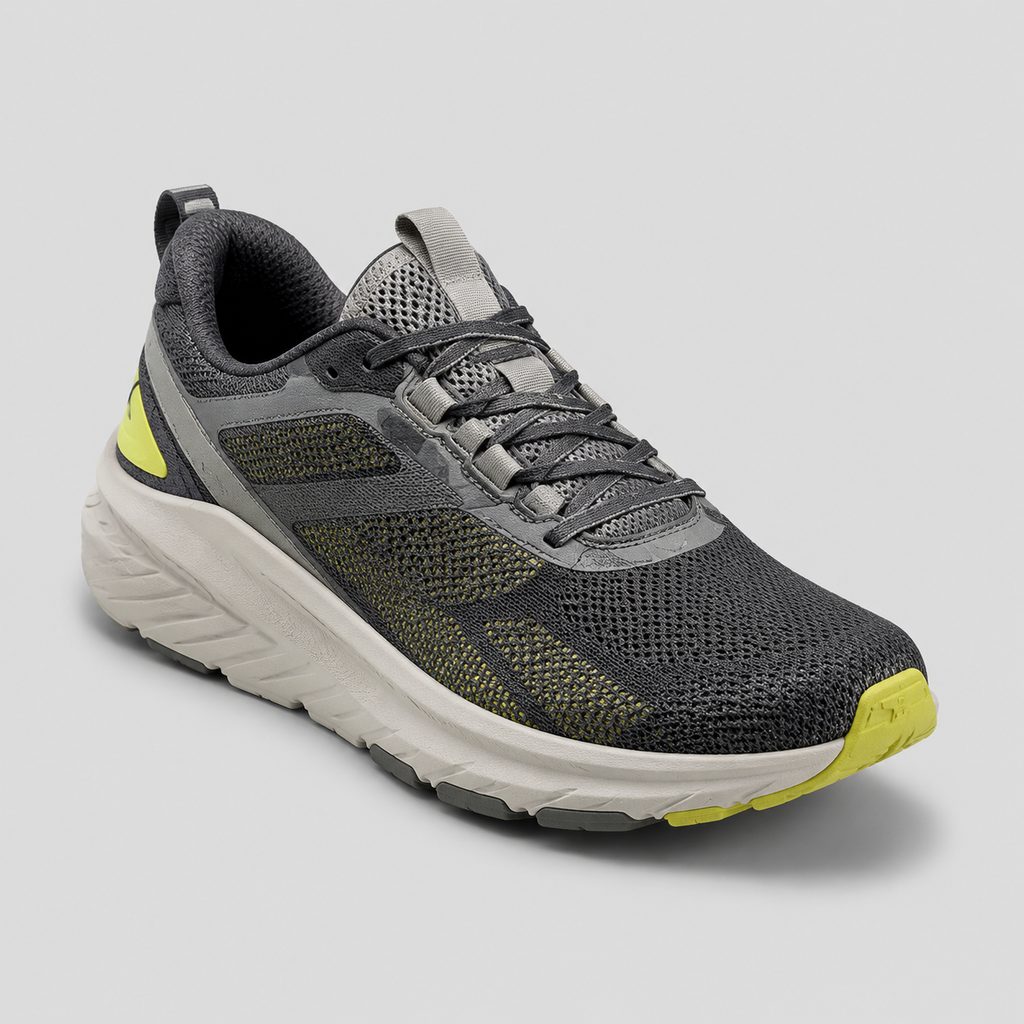
White label athletic shoes wholesale DFM questions belong before the price request when the shoe is not fully defined. The buyer may already have a tech pack, a reference pair, a preferred upper material, or a reorder expectation. Those inputs are useful, but they answer different questions. A tech pack can support a build-to-spec review. A reference pair can show direction. A mesh preference can raise zone, branding, and construction questions that still need supplier review.
The buyer's first task is to make the open items visible. That means separating what is already specified from what needs DFM attention before asking the supplier to quote the project.
Define the Shoe Before the Quote
A broad white label request can sound commercially ready while the product itself remains unclear. For an athletic shoe, the missing information often sits in the construction details: upper type, midsole expectation, outsole direction, branding method, material zones, or repeatability across later reorders.
Custom Shoe Factory's OEM and ODM service page provides the evidence boundary for this article. The supplied excerpt documents an OEM build-to-spec role: the factory manufactures to the buyer's tech pack and design, flags manufacturability issues during DFM, and holds the bill of materials and tooling across reorders. That supports a buyer conversation about an existing design package and the manufacturability questions attached to it.
It does not document certification coverage, lab testing, guaranteed redesign work, automatic optimization, price outcomes, sample schedules, or commercial terms. Those should remain buyer questions unless the supplier confirms them for the specific project.
Start With the Athletic Use Case
The product range excerpt gives one documented athletic footwear example: running shoes. It describes performance-inspired daily-training builds with breathable uppers and cushioned midsoles. In that running-shoe context, it also names mesh, knit, or PU uppers. The same excerpt names EVA and rubber outsoles in the running-shoe context.
For a buyer, the editorial recommendation is to begin the inquiry with the intended athletic use instead of asking for generic white label shoes. If the request is for a running-style shoe, the documented running-shoe language gives relevant starting points. If the request is for another athletic use, the buyer should state that intended use as a requirement and ask what development or quotation path may apply.
| Buyer input | What it can clarify | Question to ask before quotation |
|---|---|---|
| Running-style direction | The product excerpt documents running shoes with breathable uppers and cushioned midsoles. | Which upper, midsole, and outsole assumptions are already defined for this running-style request? |
| Upper material idea | Mesh, knit, and PU uppers are named in the documented running-shoe context. | Which upper option fits the intended construction, appearance, and manufacturability review? |
| Outsole assumption | EVA and rubber outsoles are named in the documented running-shoe context. | Which outsole or midsole details are fixed, and which need supplier review? |
| Non-running athletic use | This remains a buyer-stated requirement unless separately confirmed by the supplier. | What information should the buyer provide so the request is not treated as a generic sneaker inquiry? |
Use the Tech Pack as a Review Map
A tech pack should not be treated as a magic document. It may contain drawings, materials, measurements, construction notes, outsole direction, branding placement, and size information, but the buyer still needs to ask where the design may create manufacturability issues.
The supported factory role is specific: manufacture to the buyer's tech pack and design, flag DFM issues, and hold BOM and tooling across reorders. That makes the tech pack useful as a map for review. It does not turn every missing decision into a confirmed factory design service.
- Already specified
- Identify the design files, tech pack fields, materials, construction notes, outsole direction, branding placement, and size information that are currently defined.
- Needs DFM review
- Name the shoe areas where the buyer wants manufacturability feedback, such as upper construction, overlay placement, material compatibility, outsole assumptions, or repeatability across reorders.
- Not yet confirmed
- Keep sample scope, quotation readiness, commercial details, and unsupported assumptions out of the confirmed-specification column until the supplier responds.
If the tech pack is incomplete, the buyer should say so directly. A partial specification can still begin a supplier conversation when the gaps are visible. For example, the buyer can state that the outsole direction is defined while upper material zones and branding method remain open for review.
Turn Mesh Assumptions Into DFM Questions
The materials excerpt gives a concrete example of how a material preference becomes an OEM athletic shoe DFM review topic. It identifies engineered mesh and lists air mesh and sandwich mesh under that material heading. Separately, it describes engineered mesh as knitted or warp-knit synthetic with zoned density for ventilation, light stretch, and support.
The excerpt also says engineered mesh takes screen print, heat-transfer film, and welded TPU overlays cleanly. It states that engineered mesh typically runs at 90 to 250 GSM depending on the zone, with denser knit at the eyestay and toe. Those details are useful, but only inside the engineered-mesh scope. They should not be converted into a rule for every athletic upper or every shoe zone.
- If engineered mesh is being considered, which zones need ventilation, light stretch, support, or denser knit?
- Should the eyestay or toe be discussed as denser-knit zones for this engineered-mesh concept?
- Is the buyer referring to air mesh or sandwich mesh under the engineered-mesh heading?
- Does the proposed engineered mesh depend on knitted synthetic construction?
- Does the proposed engineered mesh depend on warp-knit synthetic construction?
- For engineered mesh, is the intended branding method screen print, heat-transfer film, welded TPU overlay, or still undecided?
- Is the typical 90 to 250 GSM range relevant to the proposed engineered-mesh zones, or does the project need a different material discussion?
The same materials excerpt says engineered mesh is best for running, training, and summer styles that need maximum airflow at a sensible cost. A buyer can use that statement to ask whether engineered mesh fits the intended use and cost target. It should not be treated as proof that every athletic category, material selection, or branding method is documented for the project.
Give the Reference Pair One Job
The case-study excerpt says an example running shoe launch for a new brand is structured from reference pair to inspected first production. That supports a limited point: a reference pair can be part of an example first running-shoe order structure.
It does not support claims about a named customer, order quantity, inspection result, launch date, reorder volume, or commercial performance. The buyer should therefore define what the reference pair is meant to clarify instead of letting it stand in for a specification.
- State whether the reference pair is being used for silhouette, sole proportion, upper panel direction, collar shape, material feel, or general construction direction.
- Mark which features should be followed closely and which are only visual references.
- List the decisions that remain open, especially upper material zones, branding method, outsole assumptions, and DFM review points.
A hypothetical note could say: "The reference pair is for silhouette and outsole proportion only; upper material, mesh zones, branding method, and final construction are open for DFM review." That keeps the reference pair useful without turning it into a complete product instruction.
Ask These Questions Before Requesting a Quote
Strong white label athletic shoe supplier questions connect the current product definition to the documented build-to-spec role. They also keep commercial unknowns separate from confirmed specifications.
- Is this inquiry based on a complete tech pack, a partial specification, a reference pair, or an early concept?
- If a tech pack is available, which parts should be reviewed for manufacturability before quotation?
- If the product is a running-style shoe, which breathable upper, cushioned midsole, and EVA or rubber outsole assumptions are already defined?
- If engineered mesh is being considered, which zones need ventilation, light stretch, support, denser knit, or GSM discussion?
- If branding is planned on engineered mesh, which method is intended: screen print, heat-transfer film, welded TPU overlay, or another approach to be reviewed?
- If a reference pair is provided, which features should be matched closely, used only as direction, or ignored?
- Where reorder continuity matters, how should the buyer identify BOM and tooling expectations in the inquiry?
- Which development, manufacturability, sampling, or quotation options may apply once the supplier reviews the current product definition?
The final question is a buyer-owned inquiry topic. It should not be read as a documented promise of sampling, development, or quotation terms from the supplied excerpts. Minimum order quantities, packing terms, sample schedules, price ranges, and other commercial details should be asked as open questions when they matter to the buying decision.
Send the Current Definition With the Gaps Visible
A useful wholesale athletic footwear manufacturability inquiry does not need every answer in advance. It needs a clear account of the shoe as it stands: intended use, tech pack status, reference-pair purpose, upper material assumptions, branding method if known, outsole and midsole direction, and any reorder continuity concern tied to BOM or tooling.
The buyer should then state the open items plainly. The request is not for the supplier to infer a finished shoe from a broad white label brief. It is a request to review the current definition and explain which next steps may apply.
For the next step, share the current product definition through Request a Quote. Include the decisions already made and the DFM questions still open, so the conversation can move from a broad sourcing idea toward an OEM build-to-spec discussion with fewer hidden assumptions.
Sources and verification
- Athletic Shoe Manufacturer | Custom Product Range First-party site source
- Footwear Manufacturing Case Studies | Example Project Formats First-party site source
- OEM / ODM Shoe Development | Custom Footwear Manufacturing First-party site source
- Shoe Soles, Uppers & Insole Materials | Footwear Specs First-party site source
Share the current product definition and ask which development, manufacturability, sampling or quotation options may apply to the project.
Send your project brief