Footwear Sourcing
Sneakers Wholesale: Use DFM Before Sampling
A buyer-focused framework for documenting the intended sneaker, marking open construction decisions and sending bounded DFM questions before sampling or quotation.
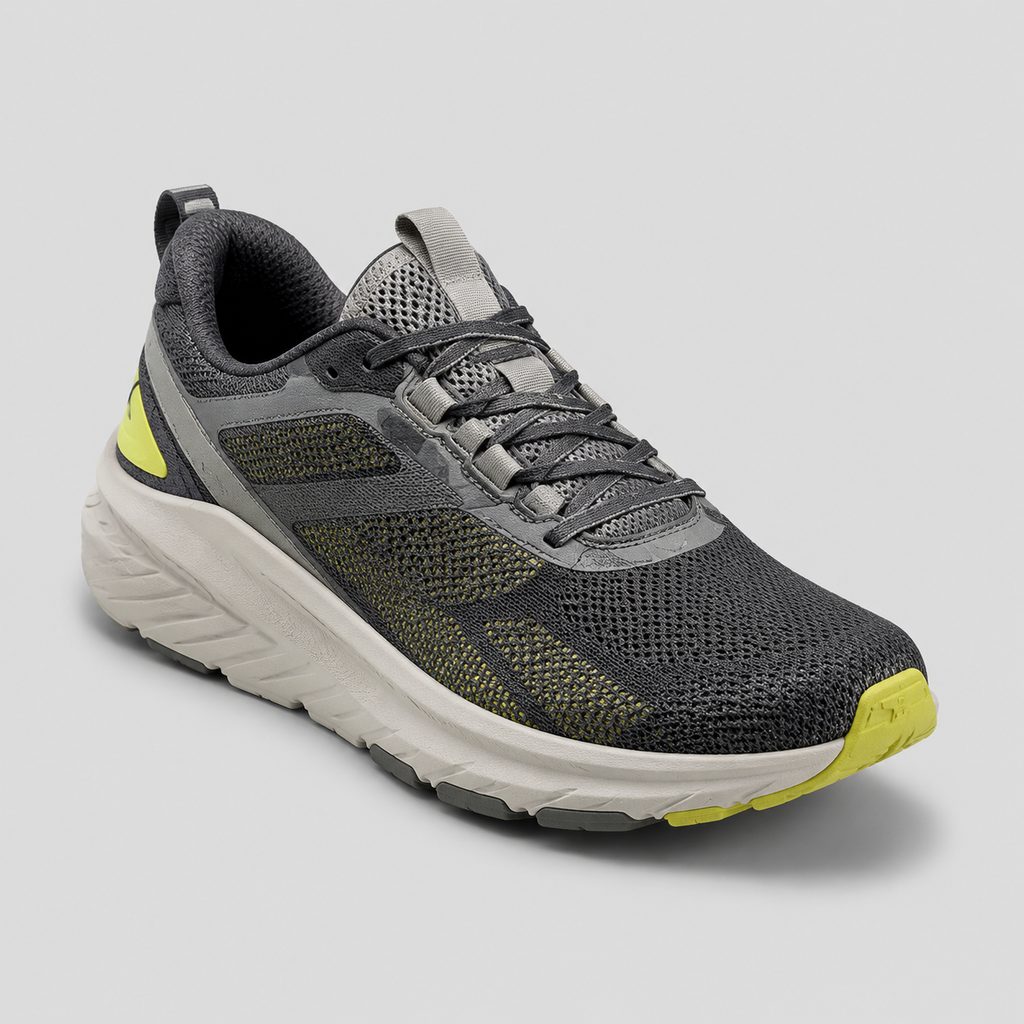
A sneakers wholesale request may communicate the intended look and market position while leaving parts of the construction undecided. A reference image, color direction and logo placement do not necessarily tell a manufacturer which materials, component assignments or application methods the buyer intends to use.
Custom Shoe Factory states that its OEM work follows the buyer's tech pack and design. It also states that the company flags manufacturability issues during design for manufacturing, or DFM. That published scope defines the exchange: the buyer provides the current product definition, and the manufacturer may flag issues in it.
The framework below is editorial guidance for preparing that exchange. It separates confirmed buyer requirements from questions that remain open. DFM issue flagging should not be treated as design approval or a guarantee that a proposed build can be manufactured.
Mark each decision before sending the brief
Start with one current version of the product definition. Within it, assign each material, component, artwork and construction direction one of three statuses:
- Required
A direction the buyer has selected and wants the manufacturer to review as part of the supplied design.
- Preferred
A direction the buyer favors but is willing to reconsider after a manufacturability response.
- Open
A question that needs clarification before the buyer can complete the specification.
This editorial method keeps visual intent separate from an unconfirmed construction choice. If a rendering shows several upper zones, for instance, the buyer can identify the required appearance while marking the material, density or overlay treatment for each zone as open. The scenario is hypothetical, but it illustrates how to preserve an idea without presenting an undecided method as a final instruction.
Use the same status labels for the upper, sole, closure, branding, color assignments and drawings. The goal is a readable decision record, not a longer creative brief.
Choose the product-family boundary
Custom Shoe Factory presents its product scope as running, training, walking and casual sneakers. Buyers should select the primary category that most closely describes the intended shoe. Category selection helps frame the inquiry, but the published category list does not establish the manufacturability of an individual design.
The company's running-shoe entry describes performance-inspired daily-training builds with breathable uppers and cushioned midsoles. That entry lists mesh, knit and PU as upper directions. It separately lists EVA and rubber as outsole materials.
Those details can help a buyer decide whether a request belongs in the published running range. They apply to that entry and should not be copied into a training, walking or casual specification without a product-specific reason.
For a clearer category statement, buyers should record:
The primary product family.
The intended use and wearer, expressed as buyer requirements rather than unverified performance claims.
The construction directions already selected in the current design.
Any conflict between the visual references and the intended use that the buyer wants discussed during DFM.
Build a decision register for DFM
The following table is an editorial tool for a wholesale sneaker manufacturer inquiry. The first column identifies buyer-supplied information. The second turns missing or uncertain details into bounded questions. It does not describe a documented factory workflow.
| Record in the current specification | Question to send for DFM discussion |
|---|---|
Primary category and intended use | Are there manufacturability issues in the supplied design that relate to its stated construction direction? |
Upper material direction and mapped zones | Which zones require more definition before the upper can be interpreted? |
Branding artwork, location, scale and intended appearance | Which application details remain unclear in the submitted files? |
Sole drawings, references and buyer-selected requirements | Which sole details are absent or ambiguous in the current revision? |
Color references assigned to named components or zones | Which colors appear only in a rendering and still need a component assignment? |
Identified tech-pack and design revision | Which items need clarification before the buyer asks about sampling or quotation options? |
Buyers should place the answers in the next revision of their own controlled document. That recommendation keeps the current product definition visible to everyone reviewing the inquiry and avoids relying on an isolated message as the only record of a changed requirement.
Describe the upper beyond the word mesh
A request that says only "mesh upper" leaves the intended material direction broad. The materials page identifies air mesh and sandwich mesh within its engineered-mesh entry. It describes the material as knitted or warp-knit synthetic.
The same entry associates zoned density with ventilation, light stretch and support. It states that the material can take screen print, heat-transfer film and welded TPU overlays. The published specification gives a typical range of 90 to 250 GSM depending on the zone and notes denser knit at the eyestay and toe.
The entry identifies running, training and summer styles as applications for this engineered-mesh direction. That statement describes the published material entry; it does not make engineered mesh the correct choice for every shoe in those categories.
To make the material portion of an OEM sneaker development inquiry more precise, buyers should identify the mesh type when known, map the intended zones and connect each branding element to a location. If density or application method remains undecided, list it as an open question. The published GSM range is context for the material entry, not a value that buyers need to select by default.
Wording should also distinguish requested features from claimed results. A buyer can specify a requested ventilation zone at the forefoot. A performance outcome should remain outside the specification unless the buyer has support for it.
Questions to send with the current tech pack
Custom Shoe Factory's documented DFM role is to flag manufacturability issues while manufacturing to the buyer's tech pack and design. Within that scope, buyers can ask:
Is the current tech pack and design defined well enough for the requested DFM discussion?
Which manufacturability issues, if any, can be flagged from this revision?
Which drawings, material zones, component assignments or artwork details need clarification?
Which open items require a buyer decision before the specification advances?
Which development, manufacturability, sampling or quotation options may apply to the submitted project?
These questions stay within the available evidence. The source does not document a formal approval process, response time, pricing method or guaranteed outcome.
Define the records needed for a reorder discussion
The OEM and ODM service page states that Custom Shoe Factory holds the buyer's bill of materials and tooling across reorders. The statement covers those two items in a reorder context. It does not document ownership terms, a formal change-control procedure or identical results between orders.
As an editorial recommendation, buyers should maintain their own record of the product code, current specification revision, artwork revision, color references and fixed component details. For a reorder discussion, ask which records or options may apply and how a proposed change can be represented in the information exchanged for that project.
This keeps the supplier's published BOM-and-tooling statement distinct from controls established by the buyer.
Send one current definition and an open-item list
Before submitting a sneaker sampling inquiry, buyers should assemble a single handoff containing:
The primary sneaker category and intended use.
The identified revision of the tech pack or design.
Materials and component directions already selected by the buyer.
Mapped upper zones, artwork locations and relevant visual references.
A concise list of open manufacturability questions.
Status labels showing which directions are required, preferred or open.
Share that current product definition through the project inquiry page. Ask which development, manufacturability, sampling or quotation options may apply to the project.
Sources and verification
- About Custom Shoe Factory | OEM/ODM Athletic Shoes First-party site source
- Athletic Shoe Manufacturer | Custom Product Range First-party site source
- OEM / ODM Shoe Development | Custom Footwear Manufacturing First-party site source
- Shoe Soles, Uppers & Insole Materials | Footwear Specs First-party site source
Share the current product definition and ask which development, manufacturability, sampling or quotation options may apply to the project.
Send your project brief