Sourcing Guides
Sneakers Supplier Size Consistency Controls
Container-to-container length and width drift is a procurement failure, not a late QC surprise. Name golden-sample grading and measured final inspection as buyer-side controls for athletic sneaker programs.
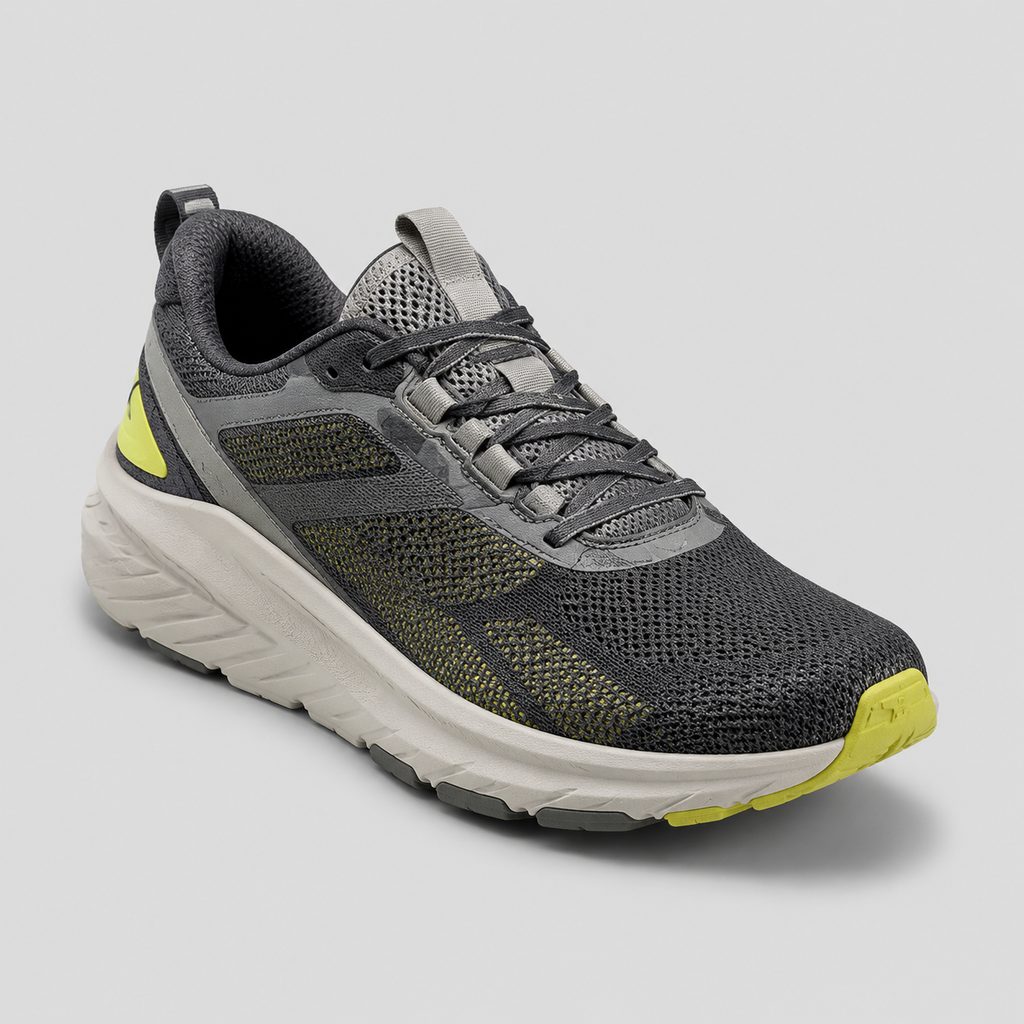
Returns, mismatched size-run stock, and channel complaints often start the same way: a golden sample was approved, then later containers arrive with the same label and a different measured length or width. Sneakers supplier size consistency is the set of controls you write before bulk, not a recovery plan after the first shipment. For wholesale athletic footwear, the useful question is whether one grading reference and the same dimensional checks will govern every container.
Buyers who treat sizing as a post-shipment quality complaint lose the leverage that works: requirements fixed in the development handoff. Name what the golden sample governs, which dimensions final inspection must measure, and keep the program inside one athletic product family so last and construction assumptions stay comparable.
When size drift shows up in the order cycle
Most size failures are not pure sample failures. The first approved pair can fit the last, the upper can look clean, and the colorway can match the brief. Drift appears when a second or third shipment lands with the same labeled size but a different measured length or width. That is when returns climb and retail or ecommerce partners question the size chart tied to the original pair.
Procurement teams often see the gap only after inventory is committed, which turns the conversation into rework, discount, or disposal. The structural fix is earlier: define the golden sample’s role, require measured length and width at final inspection, and stay inside one athletic product family. Those fields belong in the inquiry.
When you compare factories, ask how reorders keep the same grade, not only how the first sample is built. Language about a grading lock and dimensional verification can be restated as buyer requirements. A promise of a “good sample” alone leaves container risk on your side.
Golden-sample grading lock: scope and limits
On the importers and wholesalers page, sizing is framed as size grading locked to the golden sample and carried container after container. That statement is narrow. It does not publish a grading chart, millimeter tolerances, or a third-party fit method. It does name the golden sample as the reference grading locks to.
Write that boundary as requirements your team can defend:
- Identify one approved pair (or a clearly labeled size set) as the golden sample for the program.
- State that wholesale sneakers size grading for bulk must lock to that sample, not to a later unapproved pair or an informal line unit.
- Record which size(s) on the golden sample are reference sizes for length and width checks so factory and QC measure the same hierarchy.
OEM sneakers golden sample sizing is a control of reference. It is not a substitute for your own size chart or last data if you already have them. If you bring a brand last, a competitor reference pair, or a graded table, say how those inputs relate to the golden sample you will approve. If you lack a full chart, still require that once the golden sample is approved, bulk grading follows that sample rather than drifting with mid-run tooling or material changes.
Do not invent numeric tolerances the source does not state. Treat tolerance values as your brand standard or as an open technical question for the factory to assess. The evidence-backed control is the lock to the golden sample. The numeric band is your specification decision or a later agreed method.
Length and width at final inspection
The same importer-facing excerpt pairs the grading lock with verification by measured length and width at final inspection. That is the second buyer-visible control. It is not full laboratory fit testing, wear trials, or every QC dimension. It is length and width, measured, at final inspection, repeated across containers.
Request language your team can audit:
- Dimensions in scope: length and width of the finished pair against the golden-sample reference for the labeled size.
- When: final inspection before shipment, not only during sampling.
- Continuity: the same check pattern for each container so reorders do not change method silently.
- Record: as an editorial recommendation, ask for measurement records tied to size and lot so warehouse or third-party inspectors can reconcile label and measured outcome.
Athletic sneakers final inspection dimensions, under this evidence, mean those two measures. If you also need heel height, girth at a defined station, or last-specific landmarks, list them as extra buyer requirements rather than assuming coverage. Keeping the stated check separate from your extras makes gaps visible early.
Editorial recommendation for many wholesale buyers: refuse bulk release when length or width fails the golden-sample reference even if upper appearance is acceptable. That is your commercial rule. The source supports naming measured length and width as the verification method, not a full compliance regime.
One athletic product family, four program types
Size talks collapse when the request jumps across unrelated footwear types. The about page describes a sport-footwear specialist focused on one product family done consistently: running, training, walking, and casual sneakers, not a catch-all factory. Separately, the products page describes performance-inspired daily-training running builds with breathable uppers and cushioned midsoles, with mesh, knit, or PU upper options and EVA and rubber outsoles for retail, ecommerce, and private label programs.
Last geometry, upper stretch, and midsole stack all affect how a labeled size feels and measures. Comparing a running silhouette to an unrelated dress or work shoe muddies grading and inspection. Inside the stated family you can still compare subcategories without treating them as identical:
| Program type | Why sizing still needs its own lock | What to keep explicit |
|---|---|---|
| Running | Cushioned midsoles and breathable uppers can change volume and length feel versus a flatter casual build. | Golden sample for that last and construction; length/width at final inspection for that style family. |
| Training | Stability and overlays may alter width hold even when the label matches a running pair. | Separate reference pair if last or upper package differs from the running SKU. |
| Walking / casual sneakers | Daily-wear expectations and upper materials can diverge from performance-inspired builds. | Do not reuse another category’s golden sample without re-approval. |
Use the product-family boundary as a filter. If your assortment is athletic sneakers within running, training, walking, or casual, you sit inside the specialist frame the manufacturer states. A different footwear category is a separate sourcing problem, not one size-control conversation stretched across mismatched lasts.
Mesh specs and fit control are different tracks
Material detail helps construction definition. The materials page describes engineered mesh (air mesh, sandwich mesh) as a knitted or warp-knit synthetic with zoned density for ventilation, light stretch, and support, typically run at 90–250 GSM depending on the zone, denser at the eyestay and toe, and suited to running, training, and summer styles that need airflow at a sensible cost. The same page notes that engineered mesh takes screen print, heat-transfer film, and welded TPU overlays cleanly for multi-colour branding. Those points support branding methods, overlay behavior, and breathability targets.
They do not replace OEM sneakers golden sample sizing or measured length and width checks. A well-specified mesh package can still grade inconsistently if the size lock is weak. A stable grade can still miss comfort or branding goals if the upper package is wrong. Keep two tracks in the brief:
- Construction track: mesh type, GSM zones, overlays, print or weld methods, midsole and outsole materials.
- Fit track: golden sample identity, grading lock, final-inspection length and width, plus any extra dimensions your brand requires.
Material language is easy to copy from a catalog. Fit feels subjective, so buyers often under-specify it. For wholesale programs, fit is operational: labeled size must map to a stable measured outcome. Material detail supports the product story and manufacturability review. It does not prove size consistency.
What you fix in the brief vs what you ask
A clean inquiry separates fixed requirements from assessment questions. Requirements restate controls you can defend with the program brief. Assessment questions invite manufacturability, sampling path, and quotation readiness without treating those topics as already promised services.
Lock these sizing requirements into the brief first:
- Reference pair role: name the golden sample (style, colorway, size) that governs grading.
- Grading lock: size grading must lock to that golden sample for bulk and reorders.
- Final-inspection measures: measured length and width against the golden-sample reference at final inspection for each container.
- Product-family scope: running, training, walking, or casual sneakers so construction assumptions stay inside one athletic family.
- Secondary construction notes: upper package (for example engineered mesh zones), midsole and outsole intent, branding methods, for build clarity, not as a fit substitute.
Then ask open assessment questions the supplier must answer for that scope:
- Which sampling path fits this reference pair and construction package?
- What manufacturability risks appear if upper stretch, midsole height, or overlay layout changes after golden-sample approval?
- How will length and width be recorded at final inspection so labeled size can be reconciled with measured outcome?
- Which quotation information applies once the size lock and inspection measures are accepted?
You may also ask which MOQ, packing, or quotation options apply. Frame those as open assessment questions, not documented guarantees, unless a later commercial proposal states them. One practical pattern: attach golden-sample identity, the grading-lock sentence, the length/width inspection requirement, and the product-family note, then invite a response on development, manufacturability, sampling, and quotation readiness for that scope.
Hypothetical illustration only: an importer preparing a private-label training sneaker with an engineered-mesh upper freezes one approved size as the golden sample, requires grading lock for the size run, and requires measured length and width at final inspection on every container. Material GSM and overlay notes sit in construction. Sampling and quotation details are requested after that control set is clear.
When you move from checklist to supplier response, share the current product definition and ask which development, manufacturability, sampling, or quotation options may apply. A focused request a quote works best when golden-sample role and inspection measures are already named.
Re-check size-control fields before you write the brief
Map each control to a first-party page before you lock requirements:
- Importers and wholesalers — size grading locked to the golden sample; measured length and width at final inspection; container-after-container framing for sizing that does not drift.
- About — sport-footwear specialist focus on running, training, walking, and casual sneakers as one product family.
- Products — athletic range context for running and related builds, including upper and sole construction language for performance-inspired daily-training styles.
- Materials — engineered mesh and related upper detail for construction specification, kept separate from size-control claims.
If a control is not stated there, treat it as your brand standard or an open question, not a factory claim. That is how importers turn sneakers supplier size consistency from a hope after the first container into named buyer-side requirements before bulk starts.
Sources and verification
- Wholesale Shoes & Bulk Footwear Supply | Importers First-party site source
- About Custom Shoe Factory | OEM/ODM Athletic Shoes First-party site source
- Athletic Shoe Manufacturer | Custom Product Range First-party site source
- Shoe Soles, Uppers & Insole Materials | Footwear Specs First-party site source
Share the current product definition and ask which development, manufacturability, sampling or quotation options may apply to the project.
Send your project brief