Footwear Sourcing
Shoe Manufacturers in China: Classify the Product First
Classify the shoe, document the buyer's available inputs and turn unresolved product fields into focused questions for the manufacturer.
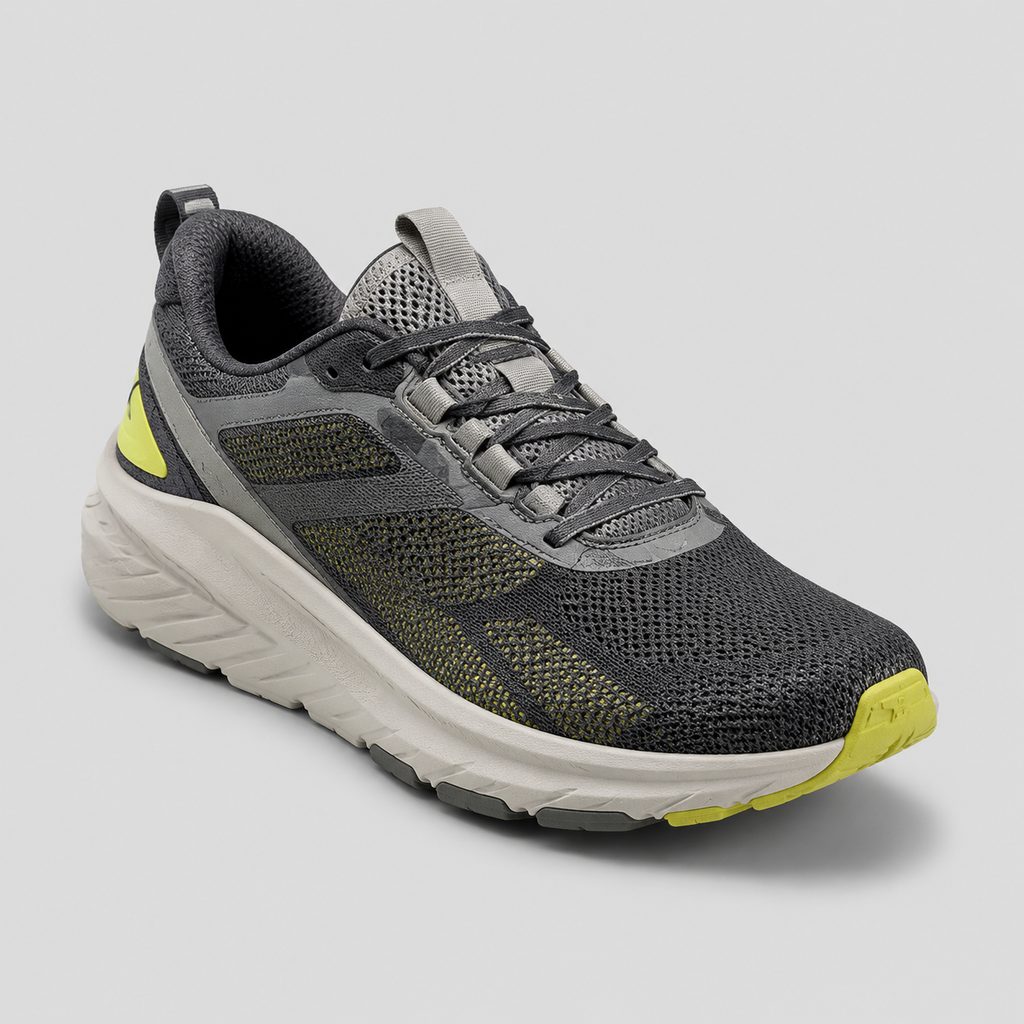
An inquiry sent to shoe manufacturers in China may begin with a broad label such as athletic shoe or sneaker. That label alone does not define the intended use, product category, construction or technical information available from the buyer.
A more useful inquiry begins with a product-definition matrix. The matrix records what the buyer has decided, what the manufacturer has published and what still needs to be discussed. It gives sourcing and product-development teams a compact way to present the current concept without treating assumptions as confirmed capabilities.
Company facts in this guide come from Custom Shoe Factory's published pages. All instructions for organizing the inquiry are editorial recommendations for the buyer. Use four evidence statuses throughout the worksheet: buyer confirmed, manufacturer published, example only and open question.
What product are you asking about?
Custom Shoe Factory describes itself in its company profile as a sport-footwear specialist. Its published product family covers running, training, walking and casual sneakers. The company also states that it is not a catch-all factory.
Use that boundary as a classification check, not as a universal footwear taxonomy. Select one of the four published categories only when it accurately reflects the proposed shoe. If the concept crosses categories or the intended use has not been approved, place the ambiguity in an open-question field.
- Category
- Record running, training, walking or casual sneakers only when that description has been confirmed by the buyer.
- Intended use
- Describe what the buyer expects the shoe to be used for. Keep this buyer definition separate from the manufacturer's category list.
- Unresolved classification
- State why the category is uncertain and ask whether the current concept falls within the manufacturer's published scope.
This first classification prevents the category name from carrying information it does not contain. A running label, for example, should not be used as a substitute for an upper definition, cushioning requirement or outsole specification.
Construction turns a label into a reviewable concept
The published running-shoe entry provides one concrete example of the detail available beneath a category heading. It describes performance-inspired daily-training builds. It also describes breathable uppers and cushioned midsoles.
The entry names mesh, knit and PU uppers. In a separate construction field, it names EVA and rubber outsoles. Retail, ecommerce and private label are listed as sales contexts. These references belong to the published running-shoe entry; they do not show that every named upper can be combined with every named outsole.
| Construction field | What the buyer records | Published running-shoe reference |
|---|---|---|
| Intended use | The approved use or the current unresolved description | Performance-inspired daily training |
| Upper | The selected or proposed upper definition | Mesh, knit and PU uppers |
| Midsole or cushioning | The required cushioning concept and any available specification | Cushioned midsoles |
| Outsole | The selected or proposed outsole definition | EVA and rubber outsoles |
| Sales context | The buyer's intended channel or positioning | Retail, ecommerce and private label |
Do not move a material from the published-reference column into the buyer-confirmed column merely because it appears on the product page. The buyer-confirmed status should be reserved for an approved project decision. A construction that is still being considered belongs in an open-question entry describing the decision that remains.
The OEM boundary: buyer inputs and published responsibilities
Custom Shoe Factory's OEM and ODM page describes an OEM build-to-spec mode. In this documented mode, the company manufactures to the buyer's tech pack and design.
For an inquiry to an OEM shoe manufacturer in China, inventory the materials the buyer can currently provide. Record the tech pack, design files, drawings and specifications individually, including their approval status. Reference materials can also be listed, but they should not be presented as final specifications unless the buyer has approved them for that purpose.
| Buyer input | Record in the matrix | Status to use |
|---|---|---|
| Tech pack | File name, version and approval state | Buyer confirmed |
| Design | Available design file and approval state | Buyer confirmed |
| Drawing or specification | Available document or the missing information | Buyer confirmed or open question |
| Reference material | Available item and the role the buyer wants it to serve | Buyer confirmed |
A missing input should be described as a gap, followed by a question about what information or development options may apply. The published OEM excerpt does not document responsibility for creating missing specifications.
DFM and reorder custody have limited published scope
The OEM description includes three additional responsibilities. Custom Shoe Factory says it flags manufacturability issues during DFM. It says it holds the buyer's bill of materials across reorders. It separately says it holds the buyer's tooling across reorders.
Each statement should occupy its own evidence entry. For DFM, the buyer can list known construction concerns and ask which questions can be reviewed for the current definition. The published wording should not be expanded into a guarantee that every issue will be found or resolved.
For the bill of materials and tooling, keep custody across reorders separate from ownership, exclusivity, identification, retention duration and commercial terms. Those subjects can be raised as open questions, but they are not answered by the cited excerpt.
A reference pair is an example, not a default route
The case-studies page presents an example running-shoe project format described as moving from a reference pair to inspected first production. This is useful as a source of questions, but it is not evidence of a standard company process, a customer result or a path available to every project.
If the buyer has a reference pair, record the item and explain its intended role in the inquiry. Then ask whether it can be reviewed, what other technical inputs may be required and which approval stages may apply. Until those questions are answered for the project, the case-studies reference keeps the status example only.
The working matrix
The completed matrix should use one evidence status for each entry. When a subject has both a buyer definition and a published company statement, create separate rows. This avoids a combined status such as “buyer confirmed / manufacturer published” and makes the source of each entry visible.
| Field | Entry | Evidence status |
|---|---|---|
| Buyer category | Insert the buyer-approved category. | Buyer confirmed |
| Published category boundary | Running, training, walking and casual sneakers | Manufacturer published |
| Category fit | Does the proposed shoe fall within that published boundary? | Open question |
| Buyer intended use | Insert the approved intended use. | Buyer confirmed |
| Published running use | Performance-inspired daily training | Manufacturer published |
| Buyer upper | Insert the approved upper definition. | Buyer confirmed |
| Published upper references | Mesh, knit and PU uppers | Manufacturer published |
| Upper review | What information is needed to review the proposed upper? | Open question |
| Buyer cushioning definition | Insert the approved cushioning requirement. | Buyer confirmed |
| Published midsole description | Cushioned midsoles | Manufacturer published |
| Buyer outsole | Insert the approved outsole definition. | Buyer confirmed |
| Published outsole references | EVA and rubber outsoles | Manufacturer published |
| Tech pack | Insert the available file, version and approval state. | Buyer confirmed |
| OEM mode | The company manufactures to the buyer's tech pack and design. | Manufacturer published |
| Missing technical inputs | What information or development options may apply? | Open question |
| DFM | The company flags manufacturability issues during DFM. | Manufacturer published |
| DFM scope | Which manufacturability questions apply to this definition? | Open question |
| Bill of materials | The company holds the buyer's bill of materials across reorders. | Manufacturer published |
| Tooling | The company holds the buyer's tooling across reorders. | Manufacturer published |
| Custody terms | What ownership, identification and retention terms would apply? | Open question |
| Reference pair format | Reference pair to inspected first production | Example only |
| Reference materials | Can the buyer's available materials be reviewed for this project? | Open question |
| Sampling | Which sampling information or options may apply? | Open question |
| Quotation | What information is needed to discuss a quotation? | Open question |
From unresolved fields to a focused inquiry
Before submitting a custom footwear manufacturing inquiry, remove any status that overstates what is known. Confirmed buyer decisions should be identifiable as such. Published statements should remain within the wording and product scope of their source. The reference-pair format should stay marked as an example.
Send the current product definition through the project inquiry and ask which development, manufacturability, sampling or quotation options may apply. This handoff presents the project as it currently stands without implying specification creation, reference-pair eligibility, production acceptance, pricing or timing.
Sources and verification
- About Custom Shoe Factory | OEM/ODM Athletic Shoes First-party site source
- Athletic Shoe Manufacturer | Custom Product Range First-party site source
- OEM / ODM Shoe Development | Custom Footwear Manufacturing First-party site source
- Footwear Manufacturing Case Studies | Example Project Formats First-party site source
Share the current product definition and ask which development, manufacturability, sampling or quotation options may apply to the project.
Send your project brief