Sourcing and Procurement
Private Label Shoes Wholesale: Plan for Reorders
Plan repeat purchasing around an identifiable product definition. This guide separates documented OEM scope from buyer-managed records and questions that still require project-specific answers.
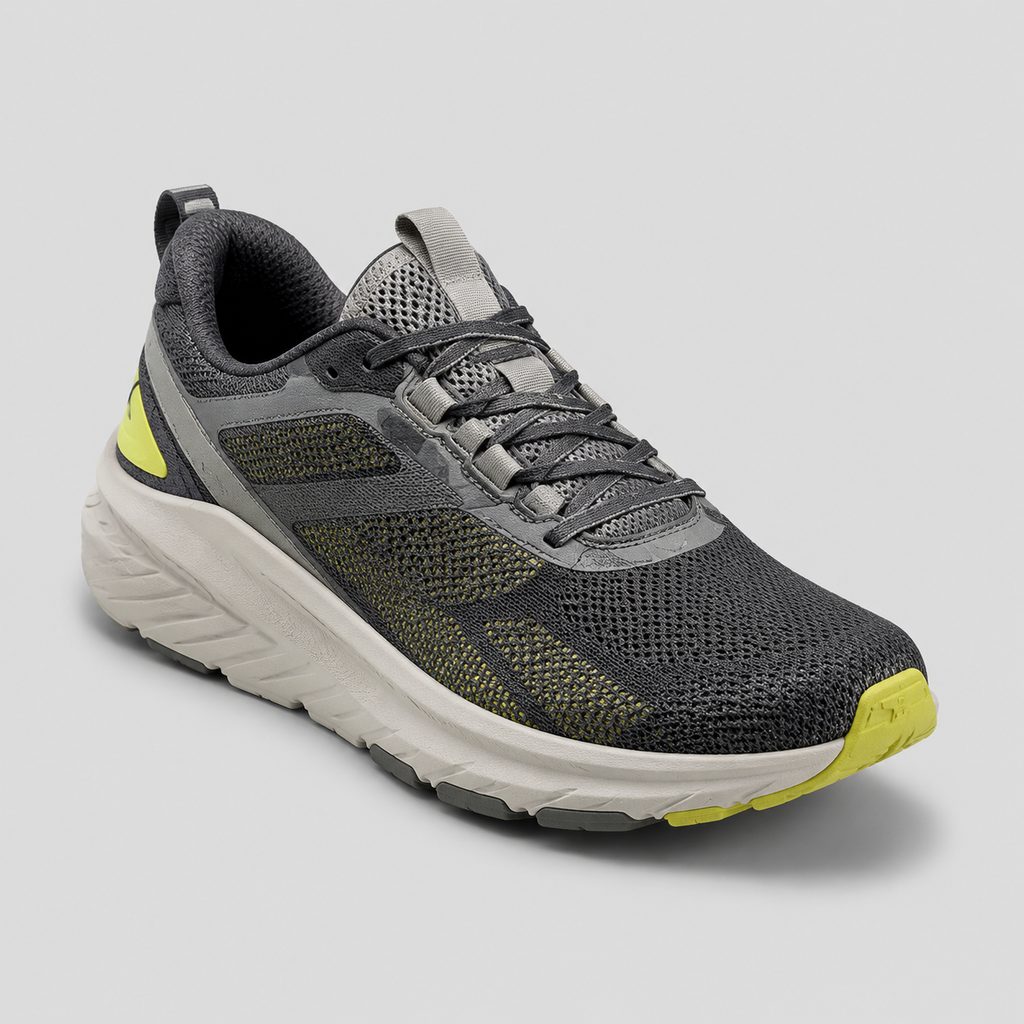
An approved-looking shoe is not necessarily a complete reference for a later purchase. The appearance may be clear while the applicable design revision, material zones, construction choices, artwork files or unresolved development decisions remain scattered across different records.
Buyers evaluating private label shoes wholesale can address that gap with a continuity record kept alongside the current tech pack. Its purpose is to identify the intended build and distinguish settled inputs from open questions. This is buyer-side editorial guidance, not a claim that a supplier provides formal change control or can guarantee identical results on a reorder.
Build the reorder record around the specification
Custom Shoe Factory describes its OEM scope as manufacturing to the buyer's tech pack and design. It says that it flags manufacturability issues during DFM. The company also states that it holds the buyer's bill of materials and tooling across reorders.
Those statements establish a useful starting point, but not a complete continuity policy. In particular, the statement about holding the BOM and tooling does not define ownership, access, retention duration, revision handling, tooling maintenance or replacement responsibility. It does not promise that materials, color, fit, performance or other production results will remain identical.
The buyer's record should therefore connect the current inquiry to a specific product definition. It should also preserve questions that must be answered for the individual project instead of treating them as documented supplier services.
Identify the build before listing its details
A private label name can identify a commercial program without identifying the exact build under discussion. As an editorial recommendation, buyers should assign each inquiry a clear reference tied to the current design material.
| Record field | What the buyer should enter | Control purpose |
|---|---|---|
| Product identity | The product family named in the current buyer definition | Distinguishes the shoe under discussion |
| Design reference | The dated filename or revision identifier submitted with the inquiry | Shows which design the record describes |
| Upper construction | The selected construction, with provisional points marked as open | Separates decisions from alternatives |
| Outsole construction | The components and materials currently specified | Connects the record to the intended bottom construction |
| Branding reference | Artwork file, placement and selected application | Links brand execution to the relevant design |
| Unresolved items | Outstanding material, construction or artwork questions | Prevents an undecided preference from appearing final |
These fields are recommendations for the buyer's own records. They are not a list of supplier deliverables. For more detail on organizing branding inputs, see the athletic-shoe artwork handoff guide.
Keep product categories separate
The company's product-range page describes running shoes as performance-inspired daily-training builds with breathable uppers and cushioned midsoles.
For uppers, the running-shoe entry identifies mesh, knit and PU. In a separate product field, it identifies EVA and rubber as outsole materials. It also lists retail, ecommerce and private label as sales contexts.
These lists can help a buyer organize the product definition, but they should not be merged into assumed configurations. The source does not state that every listed upper can be combined with every listed outsole material for every project. A buyer should enter the construction already selected and mark any alternative as unconfirmed until it has been discussed for the project.
Describe engineered mesh at the zone level
A broad material name may be insufficient when different areas of an upper have different specifications. The company's materials reference describes engineered mesh as air mesh or sandwich mesh made from knitted or warp-knit synthetic material. It associates zoned density with ventilation, light stretch and support.
The source gives 90 to 250 GSM as a typical range depending on the zone. It also notes denser knit at the eyestay and toe. That range is general material information, not a required project specification or confirmation that every value within the range is available or suitable for a particular shoe.
When engineered mesh has been selected, the buyer's continuity record should identify:
- the material name and any known supplier reference;
- each upper zone where the material applies;
- the selected GSM, if already decided;
- the intended role recorded for that zone, such as ventilation or support;
- the applicable color reference;
- the selected branding application; and
- any point still awaiting manufacturability input.
The materials page states that engineered mesh takes screen print. It separately states that the material takes heat-transfer film. It also states that it takes welded TPU overlays. These are material application statements; they do not establish that a particular application is included, available or suitable for the buyer's program.
Recording mesh by zone keeps a general material description from replacing the project-specific definition. Only selected details should appear as requirements. Alternatives and unanswered questions should remain visibly open.
Connect each DFM flag to a recorded decision
The supported DFM statement is limited: Custom Shoe Factory says that it flags manufacturability issues during DFM. The available evidence does not describe review stages, engineering tests, response times or approval authority.
For the buyer's own record, each communicated issue should be attached to the affected drawing, component, material or artwork reference. The entry can then capture the issue as communicated, any alternatives discussed, the buyer's decision and the revised specification reference.
If no decision has been made, the item should stay open. This avoids relying on later correspondence to determine which option was intended. The resulting decision trail remains a buyer-managed record and should not be described as a change-control service provided by the OEM shoe manufacturer.
Ask what “holds across reorders” means for the project
The BOM and tooling statement is central to continuity, but several operating details remain unanswered. Buyers should keep the supported statement and their follow-up questions in different parts of the record.
| What the source states | What remains to be confirmed |
|---|---|
| The company manufactures to the buyer's tech pack and design. | Which dated specification or revision reference will identify the intended reorder build? |
| The company flags manufacturability issues during DFM. | How should the buyer submit and record a response to an issue raised for this project? |
| The company holds the buyer's BOM and tooling across reorders. | What are the applicable ownership, access, retention, maintenance, replacement and transfer terms? |
| The company holds the buyer's BOM and tooling across reorders. | How are revisions, proposed material substitutions and reorder verification handled for this project? |
Questions about substitutions are procurement questions, not evidence of a defined substitution-approval service. The same boundary applies to tooling maintenance, file access and reorder verification: each topic requires a project-specific answer before the buyer relies on it.
Use the example project to prepare questions
The case-studies page describes an example running-shoe project format from a reference pair to inspected first production. The excerpt does not identify a verified customer, establish a required workflow or state that every first production receives the same inspection.
A buyer can use the example to decide what to ask: which reference materials may apply to the proposed project, what inspection information may be available, and which dated specification, revision reference or approved project record would identify the intended reorder build. The example does not document an inspection protocol, an acceptance threshold or the party responsible for inspection.
Send the current definition, including its gaps
Before requesting a custom footwear quotation, buyers should assemble the product information that currently exists rather than filling gaps with assumptions. A continuity-focused inquiry can include:
- the current tech pack or a clear statement of the design's present status;
- the product family named in the buyer's definition;
- the selected upper construction;
- the selected outsole construction;
- materials identified by component or zone;
- artwork files, placements and selected applications;
- known manufacturability questions;
- the revision associated with recorded decisions; and
- questions about BOM and tooling handling across reorders.
Share the available definition through the project inquiry page. Ask which development, manufacturability, sampling or quotation options may apply to the project, and label missing decisions as open. The result is a clearer inquiry without implying that an undecided input has already become an agreed specification.
Sources and verification
- OEM / ODM Shoe Development | Custom Footwear Manufacturing First-party site source
- Athletic Shoe Manufacturer | Custom Product Range First-party site source
- Shoe Soles, Uppers & Insole Materials | Footwear Specs First-party site source
- Footwear Manufacturing Case Studies | Example Project Formats First-party site source
Share the current product definition and ask which development, manufacturability, sampling or quotation options may apply to the project.
Send your project brief