OEM Footwear Development
Private Label Shoes OEM DFM Handoff Decision Ledger
Use a three-status decision ledger to distinguish fixed shoe requirements, published product references, and questions that need manufacturer review before they are treated as settled.
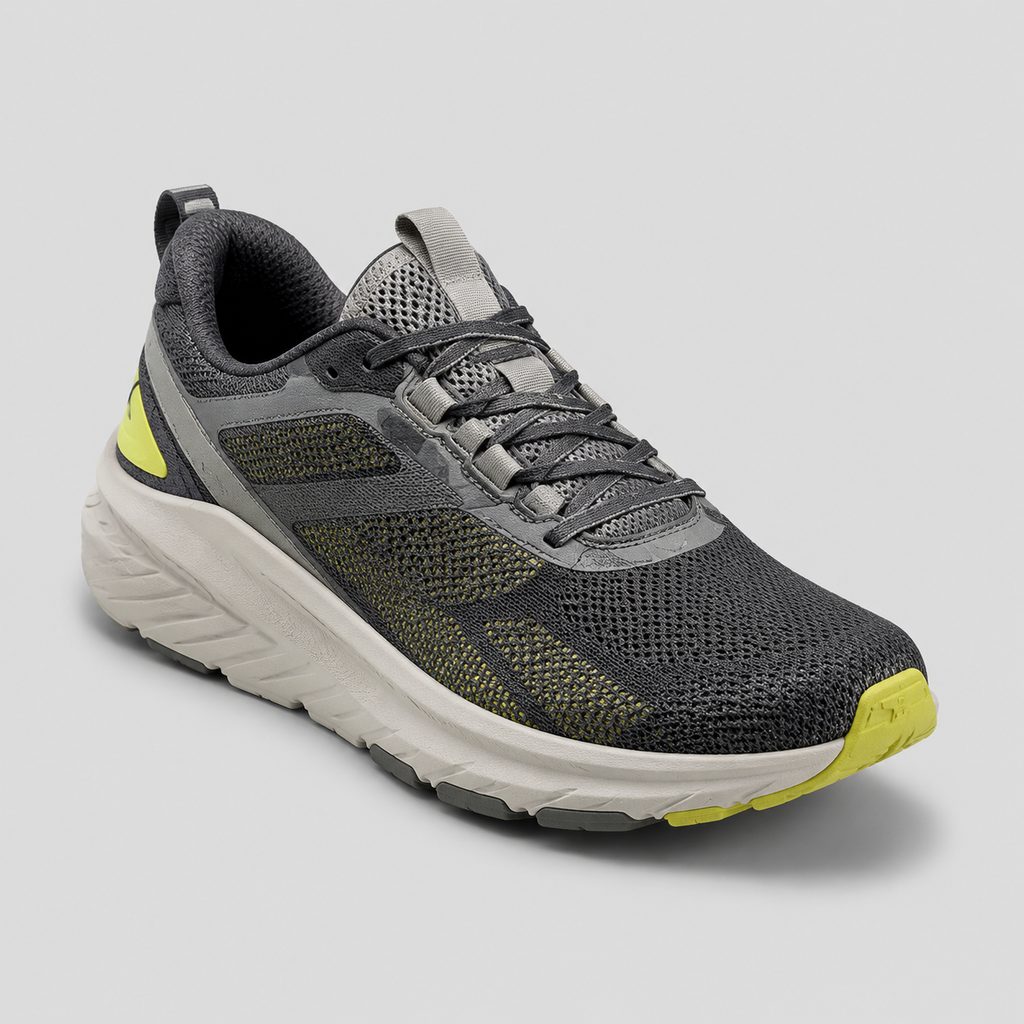
A buyer with a shoe design, tech pack, or reference pair needs a handoff that makes the current product definition readable without presenting every preference as an approved build instruction. For a private label shoes OEM DFM handoff, record what the buyer has decided, what published product information supports as a reference, and what still requires a response from the manufacturer.
The published OEM statement is limited in scope. On its OEM and ODM development page, Custom Shoe Factory says that, for OEM build-to-spec work, it manufactures to the buyer's tech pack and design and flags manufacturability issues during DFM. A buyer preparing an inquiry should identify the intended project path and ask which options may apply. The statement does not establish the same DFM scope for every private-label, ODM, sampling, or quotation discussion.
Start With a Decision Ledger
This article recommends a buyer-side ledger with one status on every meaningful specification field. It is a way to organize an OEM-ready handoff, not a factory approval record and not a substitute for project review.
| Status | Meaning for the handoff | How the buyer can write it |
|---|---|---|
| Buyer-defined | The buyer wants this requirement carried into the next discussion as a fixed direction. | State the intended use, brand element, silhouette, or other requirement in direct language. |
| Published reference | The wording comes from a published product or material description, but it is not project approval. | Name the reference and describe it as a direction to review rather than a confirmed construction. |
| Open for review | The detail depends on construction, material choice, tooling, artwork, or another unresolved decision. | Write the question, the decision needed, and the information the buyer can provide next. |
Use separate rows for the upper, midsole, outsole, artwork, and reference material. This editorial method makes it harder to turn several independently published attributes into one implied, factory-confirmed shoe. It also gives the recipient a clear view of what needs discussion before the brief changes status.
Confirm the OEM Scope Before Review
Custom Shoe Factory's OEM description says it manufactures to the buyer's tech pack and design and flags manufacturability issues during DFM. That is the supported starting point for an OEM build-to-spec inquiry. It does not mean that DFM confirms a design, sets a price, approves a material, or creates a production commitment.
The same OEM description says the company holds the buyer's bill of materials and tooling across reorders. Keep that statement attached to its stated OEM scope. In an inquiry, the buyer can ask how the bill of materials and tooling would be identified for the proposed project and which published OEM terms may apply. Those are questions for a project-specific response, not assumptions to place in the specification.
Before sending files, mark the project as OEM only when that is the intended path. If the purchasing path remains open, state that it is an open decision and ask which development, sampling, and quotation options may apply.
Record the Athletic Build by Component
The product range describes its running shoes as performance-inspired daily-training builds with breathable uppers and cushioned midsoles. That provides bounded language for a running-shoe direction. It does not make a particular upper, midsole, or outsole configuration an approved choice for a new project.
The running-shoe listing names mesh, knit, and PU as upper options. In a separate component statement, it lists EVA and rubber for outsoles. Keep those published lists separate in the handoff rather than merging them into a claim that a specified upper and outsole combination has been selected or assessed.
- Use direction: State the intended running, training, walking, or casual direction if the buyer has decided it. Mark any performance expectation that still needs discussion as open for review.
- Upper: Record the desired functional and visual outcome. A buyer may cite the published mesh, knit, or PU upper options as references while leaving final selection open.
- Midsole: State the cushioning objective, visible geometry, or dimensional requirement only when it has been decided. The published running range supports the general reference to cushioned midsoles, not a project-specific midsole design.
- Outsole: Separate intended use, traction direction, and visual priorities. Cite EVA or rubber only as separate published outsole references unless the project review resolves the construction.
- Brand expression: Attach artwork, placement views, color references, and any non-negotiable elements. Mark treatments that depend on material or construction as questions.
This component record is an editorial recommendation for the buyer. It keeps the brief useful for review without claiming that a product-range category decides the final build.
Make the Engineered-Mesh Entry Specific
The engineered-mesh listing in the materials section offers an example of precise source language. It describes engineered mesh, including air mesh and sandwich mesh, as knitted or warp-knit synthetic material with zoned density for ventilation, light stretch, and support. The entry can inform a material discussion, but it does not establish that engineered mesh is suitable for every upper or project.
| Published material detail | Buyer-side handoff treatment |
|---|---|
| Zoned density is described for ventilation, light stretch, and support. | Name the upper zone and functional intent, then ask what information is needed to review the material direction. |
| The material entry names screen print, heat-transfer film, and welded TPU overlays. It says these treatments work cleanly with the material and describes multi-color branding as easy. | State the preferred visual treatment and ask which treatment may be appropriate for the proposed upper and artwork. |
| The entry says engineered mesh typically runs at 90 to 250 GSM depending on the zone, with denser knit at the eyestay and toe. | Use the range only as a published reference. Do not present it as the required project weight unless the buyer has separately defined that requirement. |
| The entry identifies running, training, and summer styles needing maximum airflow as its listed use context. | Ask whether that material direction should remain under review for the proposed use or whether alternative upper directions should stay open. |
A useful entry identifies the functional intent, the upper location, the visual direction, and the unresolved question. This keeps the material note specific while leaving selection, zone design, and final construction for project review.
Annotate a Reference Pair
The case-studies page describes an example project format for a new brand's first running-shoe order, from a reference pair to inspected first production. It is evidence of that published example only. It does not show that every inquiry follows the same sequence or receives the same inspection arrangement.
As an editorial handoff practice, label what a reference pair is meant to communicate. A buyer can identify a visual proportion, panel boundary, toe shape, collar direction, or upper hierarchy as either a required reference or inspiration only. The accompanying question should ask what additional information is needed to assess the intended build. The reference pair adds context to the ledger; it does not silently settle material, tooling, inspection, or production details.
Put Review Questions Beside the Design
These athletic footwear DFM questions organize a buyer's discussion. They do not represent a guarantee of manufacturability or a documented commitment beyond the stated OEM scope.
- Which buyer-defined features need a manufacturability discussion before they remain fixed in the next version of the brief?
- Which component interfaces, artwork treatments, or material-zone details remain design choices rather than instructions?
- What does the reference material communicate as visual direction, and what does the buyer want treated as a requirement?
- For an OEM inquiry, how should the bill of materials and tooling be identified, and how may the published across-reorders statement apply?
- Which open decisions need a manufacturer response before the buyer can complete the next handoff?
An OEM shoe manufacturability checklist is most useful when it distinguishes questions from commitments. It can make unanswered decisions visible without implying that the design, costing, tooling, sampling, or production arrangement has already been confirmed.
Assemble the Inquiry
A shoe tech pack manufacturer inquiry should give the recipient enough product context to respond while preserving uncertainty where it belongs. The buyer can use the following structure when preparing the current definition.
- Product definition
- State the intended category, wearer, use direction, silhouette, brand direction, and buyer-defined requirements.
- Component ledger
- List the upper, midsole, outsole, material, artwork, and reference-pair information separately. Apply one of the three statuses to each field.
- Reference materials
- Attach the current tech pack, drawings, color references, component views, and reference-pair images. Explain what each item is intended to show.
- Open review questions
- Ask which defined items need DFM discussion and what further buyer input is needed to review unresolved technical choices.
- Development and commercial topics
- Ask which development, sampling, packing, and quotation options may apply to the project. Treat them as inquiry topics rather than stated services or settled terms.
Send the current definition through the project inquiry form. A complete private label shoes OEM DFM handoff does not fill every field with an assumption. It gives the manufacturer a readable product direction and gives the buyer a record of the decisions still awaiting a project-specific response.
Sources and verification
- OEM / ODM Shoe Development | Custom Footwear Manufacturing First-party site source
- Athletic Shoe Manufacturer | Custom Product Range First-party site source
- Shoe Soles, Uppers & Insole Materials | Footwear Specs First-party site source
- Footwear Manufacturing Case Studies | Example Project Formats First-party site source
Share the current product definition and ask which development, manufacturability, sampling or quotation options may apply to the project.
Send your project brief