Procurement
Private Label Athletic Shoes Size Consistency at Final Inspection
Size drift is a buyer control problem. Lock grading to the golden sample, require measured length and width at final inspection, and place the shoe on the published running range before you quote.
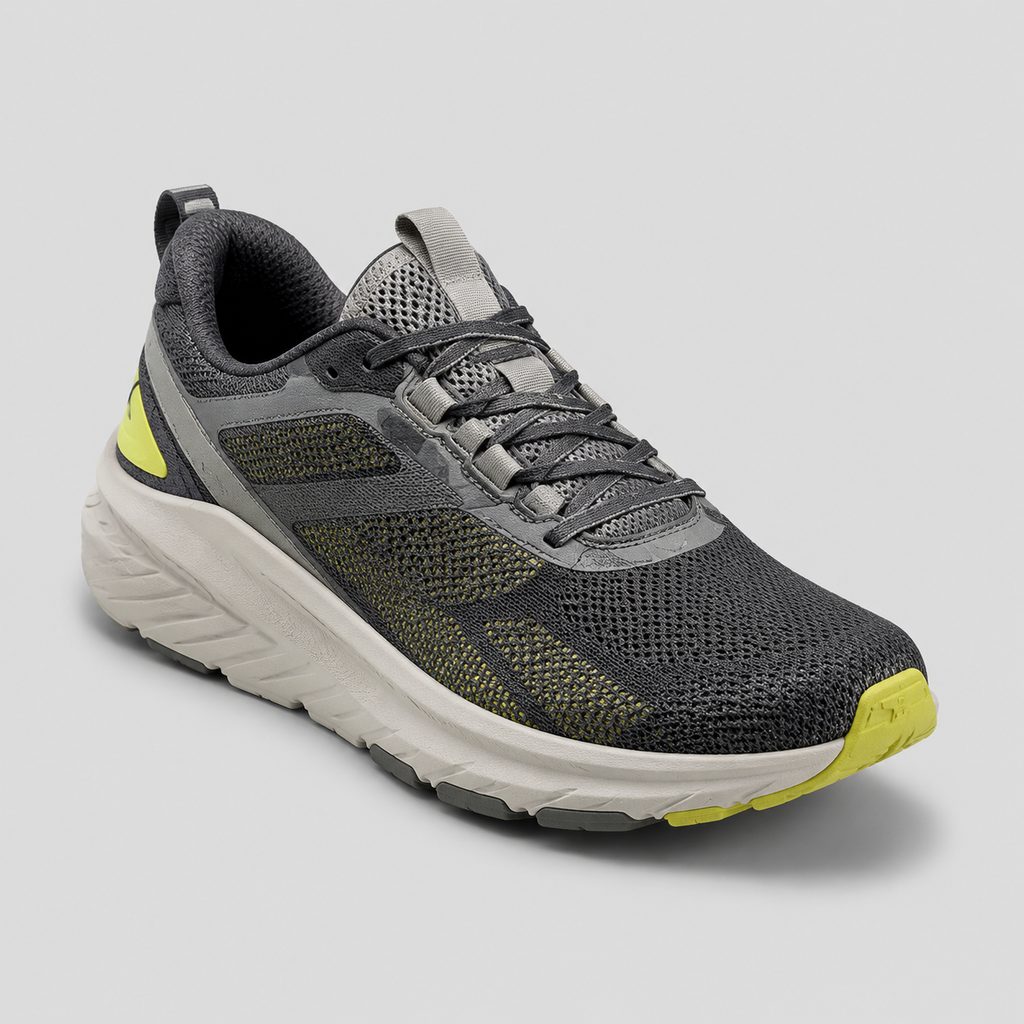
Private label athletic shoes size consistency usually fails after the golden sample already looks right. Carton one measures clean. Later containers still carry the same style code, yet length or width has shifted. Returns climb, size charts lose credibility, and the buying team spends the season explaining fit instead of selling units. Treat that risk as a buyer-owned control sequence, not as a vague quality wish written after goods land.
Name the failure in procurement language before you request a quote. Visual approval without a locked size grade, and without measured length and width that travel with every container, is the practical gap. That framing keeps size control on the same page as product definition and first-order structure.
Why private label size consistency fails after sample approval
Size drift is a grading problem. It appears when length and width leave the golden sample without a re-verification step at final inspection. It is not a logo problem and not a colorway problem.
Buyers who only write “consistent sizing” into a purchase order leave the factory without a measurable gate. A style can pass a visual line review and still ship with a grade that has wandered from the approved sample. For wholesale and importer programs, the cost shows up as mismatched pairs within a size run, uneven sell-through by size, and rework conversations that should have closed at sample lock. Importers who need bulk continuity can review the published path on the importers and wholesalers page, then bring their own size-lock language into the first message when athletic footwear size consistency wholesale is the program goal rather than a one-off sample buy.
As editorial guidance for buyers, decide early that size grading will lock to a golden sample and that measured length and width will be checked at final inspection. Put that decision in the inquiry, not in a post-shipment complaint.
Place the program on the published running range
Size control language is useless if the factory cannot place the product family. The product range lists breathable and cushioned running shoes as performance-inspired daily-training builds with breathable uppers and cushioned midsoles.
Upper options called out on that range include mesh, knit, and PU. Outsoles are listed as EVA and rubber. The same block notes retail, ecommerce, and private label as commercial paths, with a link through to view running shoes.
Write that placement into the brief before you talk about grading. A clean product line for the inquiry might read: private label running shoe; breathable upper intent among mesh, knit, or PU; cushioned midsole direction; EVA and rubber outsole intent; aimed at retail or ecommerce. That maps the program onto the published running family so sampling and manufacturability questions can attach to a real build. Browse the product range when you need to confirm family placement. Keep material detail separate from size-lock language. Engineered-mesh weight, print methods, or cushion feel are not size-grading controls, and they should not substitute for measured length and width.
What the golden-sample size lock includes
On the importers page, sizing that does not drift is described as size grading locked to the golden sample and verified by measured length and width at final inspection, container after container. That sentence is the full published boundary for this control. Treat it as a ceiling.
In scope under that language: size grading locked to the golden sample; measured length and width at final inspection; and the same verification on successive containers. Outside that language (unless you define it yourself) are wear-test panels, last geometry narratives, foot-scan systems, insole thickness feel, midsole compression claims, width-system marketing names, guaranteed return rates, lab certifications, and capacity commitments.
As editorial guidance, treat any extra fit protocol as your program rule. Ask how measured length and width would be executed against your golden sample. Do not read the published sentence as a warranty of retail fit outcomes. When you need language for golden sample size grading athletic shoes, use that published pair of actions and stop there.
Can measured length and width travel container to container?
Once the golden sample is approved, the buyer checkpoint that makes grading travel is measured length and width at final inspection. The published language pairs those measurements with container-after-container verification. That pairing turns a one-time sample fit into a repeatable production gate and is the practical core of private label athletic shoe size inspection.
- Approve a golden sample that represents the size grade you will sell against.
- State that size grading is locked to that golden sample for the program.
- Require measured length and width at final inspection as the verification method.
- Require that same measurement practice on each container, not only on the first shipment.
Those four steps are buyer process design. They do not replace defining the shoe, choosing upper and outsole direction, or deciding size-run intent. They also do not invent tolerances the source does not publish. If you need numeric length or width tolerances, bring them as your own specification and ask whether they can be applied against the golden sample at final inspection. Leave open which sampling, packing, or quotation options apply until the manufacturer responds to the current definition.
First-order structure: reference pair through inspection
Case studies on the site describe a running shoe launch for a new brand as an example of how a first running-shoe order is structured: from reference pair to inspected first production. That is a format description, not a named customer result and not a measured success story. Use it only to see where inspection language belongs in a first order.
In practice, the size-lock sequence sits between the reference pair and inspected first production. The reference pair (or your approved golden sample) sets the grade. Final inspection is where measured length and width re-verify that grade before goods leave. When you open a first private label athletic shoe order, put product family placement, reference or golden sample intent, and explicit measured length and width checks at final inspection in the same brief.
Read the published example structure on the case studies page if you want the first-order framing in one place. Do not treat that page as proof of a completed outcome for your brand. It is a structure map: reference pair in, inspected first production out.
Buyer size statements versus open manufacturer questions
Split what you can state now from what must stay open. Dumping every open question into “please advise all options” slows the handoff. Inventing service promises the site does not document creates false expectations.
| State in the inquiry | Leave open for manufacturer reply |
|---|---|
| Product family: private label running shoe on the breathable and cushioned daily-training build | Which development path fits the current definition |
| Upper direction among mesh, knit, or PU; outsole direction as EVA and rubber | Which manufacturability notes apply to that build |
| Reference pair or golden-sample intent for size grading | Which sampling options may apply |
| Request that size grading lock to the golden sample | How measured length and width will be recorded at final inspection for this style |
| Request measured length and width at final inspection, container after container | Which quotation information applies once the definition is clear |
| Commercial path: retail, ecommerce, or private label wholesale intent | MOQ, packing, or timeline detail, if provided in a project-specific reply |
That split is editorial structure for your inquiry. It does not document company services beyond the published product range, case-study format, and size-lock language. A buyer may ask which sampling, packing, or quotation information applies to the project; treat the answer as project-specific.
Size-consistency inquiry to send next
Close with a single handoff block. Share the current product definition, state size-lock intent, and ask which options may apply. Keep quantities, prices, and lead times out unless you already have them from a prior quote on the same definition.
- Program type: private label athletic shoes for retail or ecommerce, running family.
- Build direction: breathable and cushioned daily-training running shoe; upper among mesh, knit, or PU; EVA and rubber outsoles.
- Size control intent: size grading locked to the golden sample; measured length and width at final inspection, container after container.
- Order path framing: reference pair (or approved sample) through inspected first production, consistent with the published first-order example format.
- Open questions: which development, manufacturability, sampling, or quotation options may apply to this definition.
If you already hold a physical reference pair, say so and note which size it represents. If you do not, say you will approve a golden sample before bulk and that grading must lock to that sample. Either way, keep the measurement gate explicit so private label athletic shoes size consistency is a production control, not a hope.
When the definition is ready to send, use the request a quote path to share the product definition and ask which development, manufacturability, sampling, or quotation options may apply to the project. Keep the message short, evidence-bound, and focused on the size lock you need across containers.
Sources and verification
- Wholesale Shoes & Bulk Footwear Supply | Importers First-party site source
- Athletic Shoe Manufacturer | Custom Product Range First-party site source
- Footwear Manufacturing Case Studies | Example Project Formats First-party site source
Share the current product definition and ask which development, manufacturability, sampling or quotation options may apply to the project.
Send your project brief