Footwear Product Development
Private Label Athletic Shoes: Define Size Approval
A procurement framework for assigning clear roles to the reference pair, base-size record, golden sample and final inspection questions.
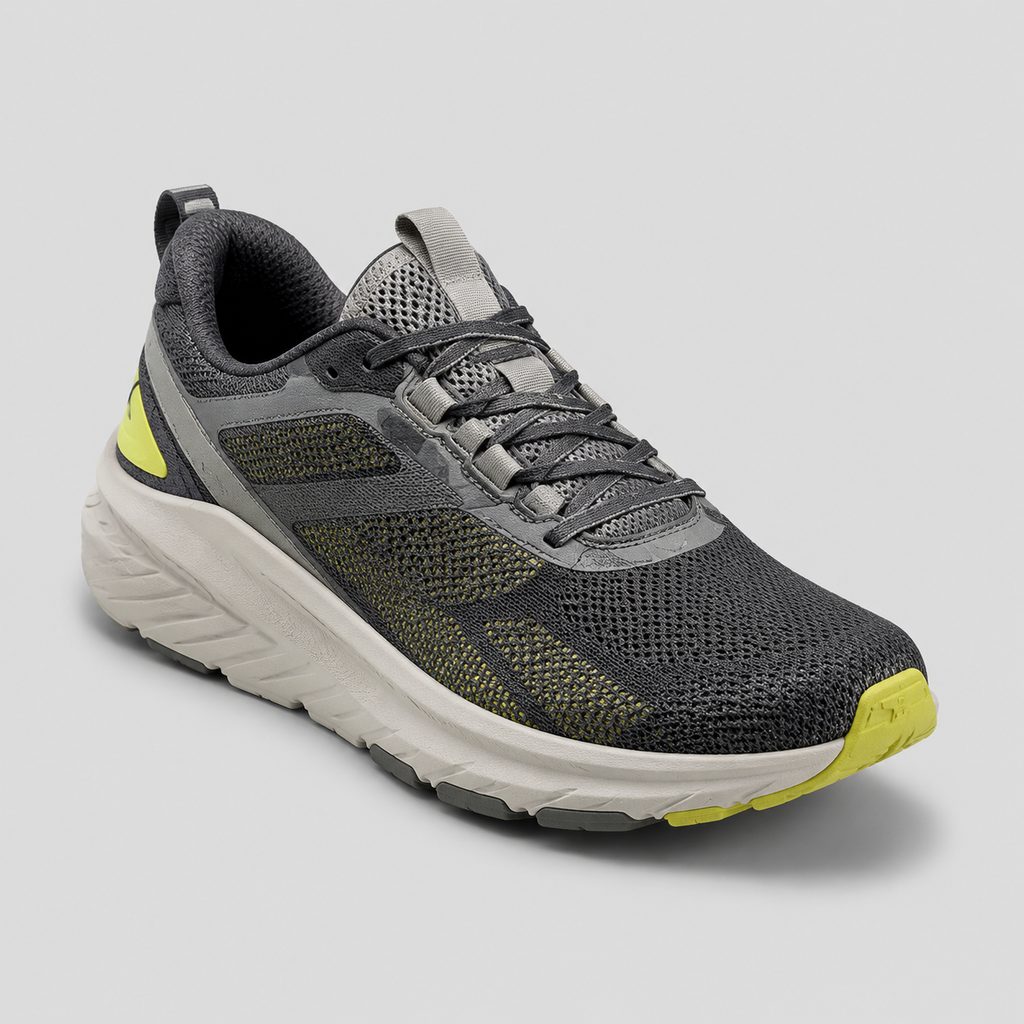
When a buyer reviews a size run, a basic question can expose an incomplete specification: which approved reference governs the decision? The answer cannot be inferred from the size label alone. A reference pair may show the desired direction, while a base-size record may contain selected dimensions and a separate grading record may describe relationships across the range.
Custom Shoe Factory lists running shoes for retail, ecommerce and private-label use in its product range. For buyers discussing private label athletic shoes, that product category is only the starting point. The size approval chain still needs to identify what each reference is intended to control.
The recommendations in this article are an editorial framework for preparing that discussion. They are not a description of a universal factory process. The documented company practices are addressed separately and kept within the wording supported by the supplied sources.
Assign authority before discussing the size run
The buyer should begin by naming the proposed governing reference rather than asking generally for consistent sizing. A useful approval record distinguishes the object that communicates fit direction from the records used for dimensions and grading.
For the inquiry, specify:
- the designated base size;
- the reference associated with the intended fit and construction;
- the record proposed for athletic shoe size grading;
- the approval status and revision identifier of each sample; and
- the reference against which final measurements should be discussed.
These roles may point to different records. Treating them separately helps the buyer reveal unresolved authority before sampling or quotation. It also prevents chronology from deciding approval by accident: the first pair supplied for discussion should not be called the governing sample unless that role is expressly assigned.
Keep fit intent, dimensions and grading separate
For procurement purposes, the buyer can organize size information into three parts. Each part answers a different question.
- Fit intent
What wearing outcome is the brand seeking? Record the target user, intended activity and known concerns in plain language. Descriptions such as additional forefoot room or a secure heel communicate a goal, but they are not measurable acceptance criteria by themselves.
- Base-size dimensions
Which measurements are available for the designated base size? Name each measurement point, method and source. Do not treat external shoe length, insole length and internal usable space as interchangeable values unless the project parties agree on the definitions.
- Grading
How are sizes expected to relate to the base size? Identify the grading record proposed for the project and mark any unconfirmed increments or measurement points as open questions.
Approval in one part should not be presented as approval of all three. For example, accepting the appearance of a base-size sample does not, on its own, define the grading information for the rest of the range.
Give each physical reference one job
The company's example-project collection describes a running-shoe project format from a reference pair to inspected first production. This supports only the stated example format; it is not a published sequence for every customer program.
Buyers can use the following table to state the intended role of each reference in their own inquiry:
| Reference | Recommended buyer description | Question to settle |
|---|---|---|
| Reference pair | Identify whether the pair communicates product direction, fit intent, selected dimensions or a combination of those purposes. | Which attributes, if any, are intended to be reproduced or measured? |
| Development sample | Record its size, revision and the points currently under review. | Which decisions remain open, and which have been approved? |
| Golden sample | Use the designation only after the applicable physical sample and revision have been identified. | What grading or other approved information is linked to that sample? |
| First production | Connect the production reference to the agreed inspection questions. | Which dimensions, units, records and discrepancy procedures may apply? |
A reference can have more than one stated purpose, but those purposes should be listed rather than assumed. In particular, sending a reference pair does not automatically designate it as the golden sample.
Build a buyer-owned size record
Before private label shoe sampling, the buyer should assemble a compact record that identifies the current project state. The following items are recommended inquiry inputs, not published factory requirements:
- shoe category and intended use;
- target labeling market and exact size notation;
- planned size range and designated base size;
- available length and width targets, with measurement points and methods;
- reference-pair identifier, labeled size and intended role;
- sample identifiers, revision dates and approval status;
- the buyer's proposed grading record, when one is available;
- known fit questions that still require discussion; and
- construction changes that raise a question about renewed size approval.
Use identifiers that distinguish both physical samples and digital records. Instead of referring to "the approved shoe," name the exact sample revision and list the attributes approved against it. Keep unresolved points in the same record so that approval language cannot be mistaken for approval of the entire shoe.
Use the documented control points at their exact scope
Custom Shoe Factory's importer and wholesaler page states that size grading is locked to the golden sample. The same page states that length and width are measured at final inspection, container after container.
Those statements identify the golden sample in connection with grading and name length and width in connection with final inspection. The supplied source gives no project tolerance, measurement definition, inspection sample size or discrepancy procedure. It also provides no basis for treating those measurements as proof of wearer fit.
To apply the published statements to a specific project, the buyer should ask the manufacturer to connect them to the current records:
- Name the physical sample proposed for the golden-sample designation.
- Provide its size, revision identifier and associated approved records.
- Ask which grading information would be locked to that sample.
- Ask how length and width would be defined for final inspection.
- Request confirmation of any applicable project criteria and response to discrepancies.
This inquiry sequence does not presume that a tolerance, method or inspection scope has already been agreed. It gives the manufacturer a defined reference against which those project questions can be answered.
Convert the remaining gaps into questions
A buyer should not fill an undocumented control with an assumed industry rule. Add each unresolved point to the inquiry and associate it with the relevant sample or record:
- Who may propose or confirm the grading table for this size run?
- How would the golden sample be designated in the project record?
- Which points would be used to measure length and width?
- What measurement method and tolerance may apply to the project?
- Which sizes and units may be included in footwear size inspection?
- What inspection record, if any, may be available to the buyer?
- How would a result outside the agreed criteria be reviewed?
- Would a change to the upper, sole, insole or construction require renewed size approval?
- Which development, manufacturability, sampling and quotation options may apply to the submitted definition?
These are buyer questions, not claims about documented services. Their purpose is to expose decisions that cannot be resolved from a category description, sample image or size label.
Send the governing references with the inquiry
Prepare one handoff that starts with the shoe category, intended use, labeling market, base size and planned range. Follow those details with every available dimensional target and its measurement definition. List each physical reference by identifier, then state whether it communicates direction, remains under review or carries approval for a named purpose.
Next, identify the proposed grading authority and flag any conflict between the reference pair, sample revision and grading record. Finish with the unanswered questions about measurement, tolerance, inspection scope, records, discrepancies and construction changes.
Submit that current definition through the project inquiry. Ask which development, manufacturability, sampling, inspection or quotation options may apply. The commercial objective is a clear answer about the references that can govern the size run, not an undefined request for standard sizing.
Sources and verification
- Athletic Shoe Manufacturer | Custom Product Range First-party site source
- Footwear Manufacturing Case Studies | Example Project Formats First-party site source
- Wholesale Shoes & Bulk Footwear Supply | Importers First-party site source
Share the current product definition and ask which development, manufacturability, sampling or quotation options may apply to the project.
Send your project brief