Sourcing Guides
OEM Walking Shoes Manufacturability Review Guide
A sourcing brief for buyers who need to turn a wholesale walking shoes idea, reference pair, or draft tech pack into reviewable OEM inputs before sampling.
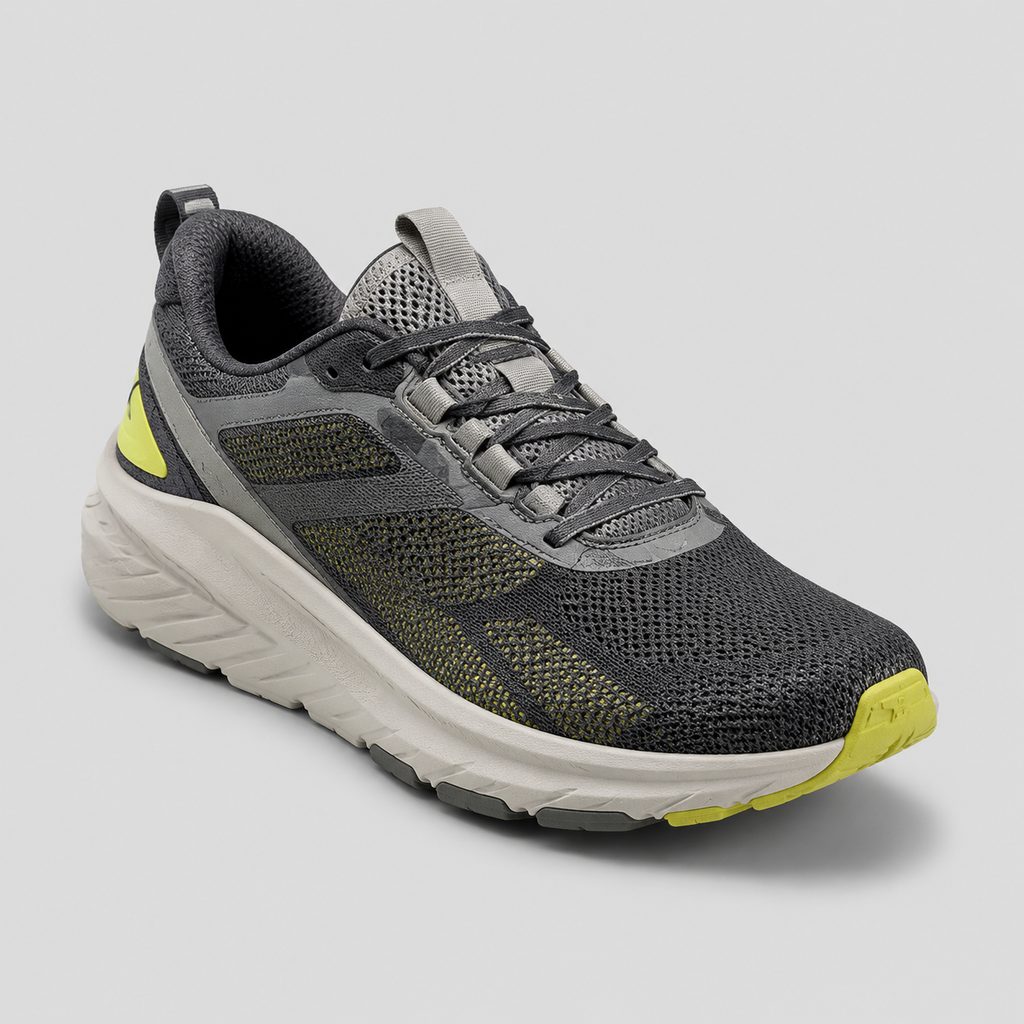
An OEM walking shoes manufacturability review is most useful before the buyer asks for a sample, because it tests whether the current product definition is clear enough for a factory conversation. The inquiry does not have to present a finished shoe. It does need to separate confirmed decisions from open questions, especially when the buyer is moving from a reference pair or broad wholesale walking shoes request toward an OEM build-to-spec discussion.
The practical issue is scope. Custom Shoe Factory documents a sport-footwear focus that includes running, training, walking, and casual sneakers. It also documents OEM manufacturing to the buyer's tech pack and design, DFM issue flagging, and holding the buyer's bill of materials and tooling across reorders. Those statements support a focused sourcing conversation. They do not prove walking-specific performance testing, orthopedic expertise, slip-resistance certification, or any guaranteed commercial terms.
First Sort the Request by Factory Fit
A buyer looking for a wholesale walking shoes supplier should begin with the published product family, not with a price target alone. Custom Shoe Factory describes itself as a sport-footwear specialist working within one product family: running, training, walking, and casual sneakers. The same about-page excerpt says it is not a catch-all factory.
That wording gives the buyer a useful first filter. A walking-oriented sneaker can be presented as part of the stated sport-footwear family. A medical, orthopedic, safety, workwear, or certification-led footwear project should be identified as such and treated as a category-fit question before the buyer assumes the inquiry belongs in the same lane.
Use the term walking shoes or walking-oriented sneakers when that is the intended category.
Name the selling channel or use case as the buyer understands it, such as daily walking, travel, retail, ecommerce, or private-label positioning.
Flag any medical, safety, compliance, or performance claim early as a buyer requirement to be reviewed, not as a documented factory outcome.
Write Down What the Factory Is Being Asked to Review
A custom walking shoe OEM inquiry can become vague when it mixes product ideas, performance words, and commercial expectations in one message. As an editorial recommendation, the buyer should write the request in two parts: what is already decided and what still needs review.
For example, a buyer may know the silhouette, upper style, logo placement, and target channel, while the outsole direction or material callouts remain unresolved. That is still usable information if the gaps are visible. It is weaker to send only a reference image and ask for a price, because the supplier cannot know whether the buyer wants OEM manufacturing, early development input, or only a category check.
| Review area | Buyer-prepared input | Boundary to keep clear |
|---|---|---|
Product category | Walking shoes, walking-oriented sneakers, casual sneakers, or another category the buyer wants reviewed. | The evidence supports the stated sport-footwear family, not every footwear category. |
Reference pair | Photos of the upper, side profile, outsole view, heel area, closure, and any feature the buyer wants considered. | A reference pair is buyer input; it is not proof that the same process or construction will apply. |
Tech pack status | Final, draft, partial, or unavailable, with drawings and material callouts if available. | OEM build-to-spec depends on the buyer's tech pack and design being defined enough to review. |
Claims and standards | Any required test standard, compliance target, or claim the buyer expects to discuss. | The provided sources do not document walking-shoe lab results, certification outcomes, or medical comfort claims. |
Use Running-Shoe Details Without Reassigning Them
The product range page includes a running-shoe description. It refers to breathable uppers and cushioned midsoles. It lists mesh, knit, and PU uppers for that running-shoe description. It separately lists EVA and rubber outsoles for that running-shoe description. The same running-shoe description references retail, ecommerce, and private label.
Those details are useful only within their source scope. They can help a walking-shoe buyer see the kind of product language that appears on the site, but they should not be turned into a documented walking-shoe material menu. They also should not be treated as evidence of walking-shoe comfort, traction, durability, or biomechanics.
For a walking-shoe brief, terms such as breathable, cushioned, lightweight, supportive, or comfortable should be translated into buyer requirements. If the buyer has a standard or test method behind the requirement, include it. If the buyer has only a market preference, label it as a preference rather than a certified property.
Keep OEM Scope Narrow and Useful
The OEM/ODM service page gives the strongest boundary for the review. It says Custom Shoe Factory manufactures to the buyer's tech pack and design. It says the factory flags manufacturability issues during DFM. It says the factory holds the buyer's bill of materials and tooling across reorders.
That documented OEM scope is enough to frame a responsible manufacturability question. If the buyer has a tech pack and design, the inquiry can ask whether those inputs are ready for OEM build-to-spec review and what manufacturability issues may need attention during DFM. If the buyer has only a reference pair, the inquiry should say so and ask what additional inputs may be needed before sampling can be discussed.
The same scope should not be expanded into services or results the source does not state. It does not say the factory owns the buyer's walking-shoe design strategy. It does not guarantee cost reduction, compliance approval, performance certification, or walking-biomechanics validation. The statement about holding the buyer's bill of materials and tooling should stay within the OEM and reorder context in which it appears.
Build the Inquiry Around Reviewable Inputs
A walking shoe sampling brief does not need to be long, but it should be organized. As an editorial recommendation, buyers can use the following order when preparing the first message.
State the category and intended use: walking shoes, walking-oriented sneakers, or another category within the buyer's product plan.
Explain the reference pair: whether it shows silhouette, fit direction, outsole profile, upper construction, material feel, or market positioning.
Attach the tech pack if available: mark it as final, draft, partial, or missing so the factory can understand the level of definition.
List material and construction preferences: upper, lining, insole, midsole, outsole, trims, branding application, color direction, and any draft material callouts.
Separate requirements from preferences: especially for cushioning feel, breathability, water resistance, cleaning needs, outsole look, and durability concerns.
Name unresolved questions: tooling, sample path, quotation basis, size assumptions, packaging questions, or documents the buyer still needs to prepare.
Commercial topics can be included, but they should be phrased as questions for the specific project. MOQ, packing, sampling, and quotation basis are reasonable things for a buyer to ask about. In the provided evidence, they are not documented as fixed terms for walking-shoe programs.
Use the Case Example as a Process Signal Only
The case studies page publishes a running-shoe example described as a first running-shoe order structured from reference pair to inspected first production. That sentence can help buyers understand the type of process language used on the site: reference pair, first order, and inspected first production.
It should remain a running-shoe example. It is not a walking-shoe case study. It is not evidence of a walking-shoe performance result. It is not proof of a guaranteed sequence for every inquiry, and it does not document a customer name, production quantity, launch result, approval timeline, or repeatable sampling path for walking shoes.
A single hypothetical illustration may help keep the boundary clear: if a buyer has a walking sneaker reference pair, draft upper drawings, logo placement files, and an unresolved outsole concept, the buyer could ask whether those inputs are enough for a project-specific OEM manufacturability review before requesting a sample quotation. That sentence is only an example of how to frame an inquiry; it is not a documented customer case.
Ask Questions Without Turning Them Into Factory Claims
Once the buyer has separated documented OEM scope from project uncertainty, the next step is a tighter question list. These are buyer prompts, not proven services, standard terms, or promised outcomes.
Can the current tech pack and design be reviewed for OEM build-to-spec manufacturing?
Are more drawings, material notes, outsole views, logo files, or size assumptions needed before review?
Which manufacturability issues, if any, can be flagged during DFM for this construction?
Is the project best described as walking shoes, casual sneakers, training-adjacent footwear, or another category within the stated sport-footwear family?
Which sampling, MOQ, packing, and quotation information can be discussed after the current product definition is shared?
If walking-specific performance or compliance targets matter, what documents or test standards should the buyer provide for review?
This question style keeps responsibility visible. The buyer defines the intended product, reference role, technical inputs, and any required claims. The supplier can then respond to the submitted brief in relation to the documented OEM role: manufacturing to the buyer's tech pack and design, flagging manufacturability issues during DFM, and holding the buyer's bill of materials and tooling across reorders.
Submit the Current Definition, Including the Gaps
The most useful first inquiry is not the one with the most words. It is the one that prevents guessing. For wholesale walking shoes, that means showing the current product definition and labeling unfinished decisions before sampling begins.
Buyers can use the request a quote path when they can describe the product and the questions attached to it. Include the tech pack if available, reference images, outsole direction, branding layout, material preferences, draft size assumptions if known, and any compliance or test requirements the buyer needs considered. If the buyer is not sure which information is enough, the inquiry can ask which development, manufacturability, sampling, or quotation options may apply to the current project.
That framing keeps the conversation evidence-bound. Walking shoes are within the published sport-footwear family, OEM build-to-spec and DFM issue flagging are documented, and the running-shoe example can be read as a limited process signal. Everything else should be presented as a buyer question for review, not as a claim already proven by the sources.
Sources and verification
- Athletic Shoe Manufacturer | Custom Product Range First-party site source
- About Custom Shoe Factory | OEM/ODM Athletic Shoes First-party site source
- Footwear Manufacturing Case Studies | Example Project Formats First-party site source
- OEM / ODM Shoe Development | Custom Footwear Manufacturing First-party site source
Share the current product definition and ask which development, manufacturability, sampling or quotation options may apply to the project.
Send your project brief