Sourcing Guides
OEM Sneakers Material Specification: Mesh First
Turn vague mesh language into a factory-readable oem sneakers material specification so build-to-spec review can separate design ownership from manufacturability flags.
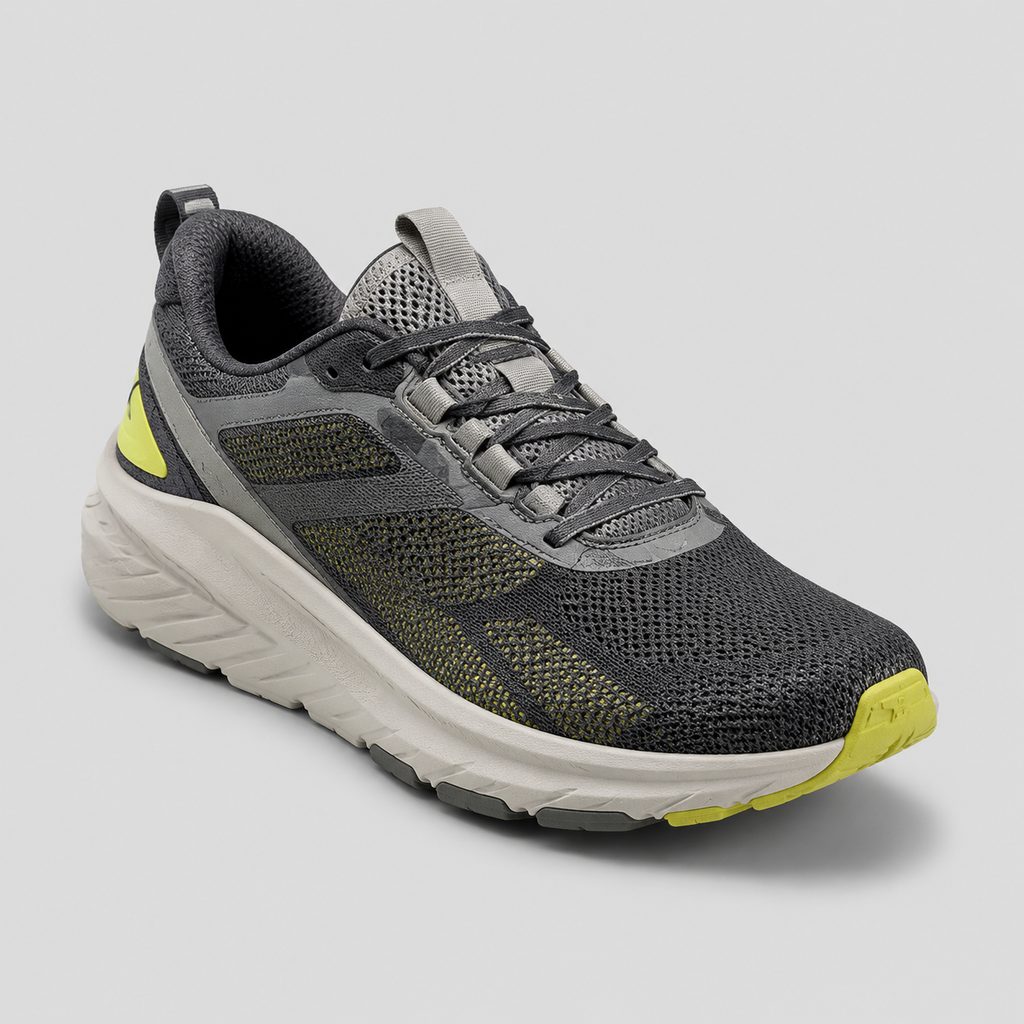
An oem sneakers material specification is useful only when pattern, costing, and DFM teams can read it without inventing the upper. Generic mesh wording leaves type, zone density, GSM, and decoration methods open, so product-development and sourcing teams cannot tell which decisions they still own and which items will surface as manufacturability flags under build-to-spec review. Treat engineered-mesh upper language as the first non-negotiable layer. Keep midsole and outsole wording inside the published athletic product families—running, training, walking, and casual sneakers—rather than expanding into unsupported stack chemistry or categories outside that set.
Where OEM sneakers briefs break first: material language
For build-to-spec work, incomplete upper and construction wording is the early failure mode. Price talk and supplier shortlists come later. When a brief asks for generic mesh, undefined ventilation zones, or branding without an accepted decoration method, the request cannot map cleanly to a manufacturable stack.
Under OEM (build-to-spec), the manufacturer works from the buyer’s tech pack and design, flags manufacturability issues during DFM, and later holds bill of materials and tooling across reorders. That sequence starts cleanly only when the material definition is specific enough to review. Vague upper language also blurs ownership: if denser knit for support and open structure for airflow are never assigned to zones, later changes look like factory judgment calls instead of documented buyer decisions. For teams drafting an OEM / ODM development brief, the fix is a materials layer a pattern and costing team can execute without guessing.
Lock the style into one published athletic family
Place the program inside one published athletic family before writing mesh grades or sole compounds. Custom Shoe Factory describes itself as a sport-footwear specialist around one consistent product set: running, training, walking, and casual sneakers—not a catch-all footwear plant. Material language written for a hybrid style outside that set has no published family to land against.
Family placement is a specification prerequisite. A daily-training runner should use running-oriented cues published for that family. A casual sneaker should not borrow unsupported stack language from another category. Review the athletic product range and the about page scope statement first, then write materials against that lock. Programs outside running, training, walking, or casual sneakers stay undefined for this factory’s published family set.
Replace “mesh upper” with type, zones, and GSM
Generic “mesh upper” is not an engineered mesh sneakers specification. On the materials page, engineered mesh is described as air mesh or sandwich mesh: a knitted or warp-knit synthetic with zoned density for ventilation, light stretch, and support. It is the workhorse athletic upper, typically run at 90–250 GSM depending on the zone, with denser knit at the eyestay and toe. Best-fit callouts include running, training, and summer styles that need maximum airflow at a sensible cost. Use that published system as the ceiling for factory-readable upper language. Do not invent unstated material grades.
- Name the mesh type. Use engineered mesh language that matches the published set (air mesh or sandwich mesh), not “breathable fabric” alone.
- State zone intent. Separate support zones (eyestay, toe) from ventilation zones so density is a design decision, not a sample-stage surprise.
- Give a GSM band by zone. Stay inside the published 90–250 GSM range and call for denser knit where structure is required.
- Record stretch and support goals in plain terms. Light stretch and support appear in the published engineered-mesh description; write them as buyer requirements tied to zones, not as unquantified performance claims.
- Keep the upper decision inside the family. Mesh, knit, and PU appear as upper options on the running product family language; do not merge those labels with unrelated categories.
That rewrite is the core of build to spec sneakers upper materials work. Pattern, lasting, and decoration teams get a shared map without turning the brief into a full DFM checklist.
Attach decoration only where the upper can take it cleanly
Branding choices belong to the buyer. The materials evidence for engineered mesh states that it takes screen print, heat-transfer film, and welded TPU overlays cleanly, which makes multi-colour branding practical on that upper. Map multi-colour marks only to those published methods. Do not treat decoration as an open menu of every graphic process in footwear.
| Buyer branding intent | Published engineered-mesh method | Spec note to capture |
|---|---|---|
| Flat multi-colour graphics | Screen print | Location, colour count, and coverage on mesh zones |
| Fine detail or layered colour film | Heat-transfer film | Film stack, edge finish, and placement relative to high-flex areas |
| Raised structure or panel accents | Welded TPU overlays | Overlay outline, weld edge, and interaction with denser eyestay/toe knit |
If a logo treatment needs a method outside screen print, heat-transfer film, or welded TPU overlays on engineered mesh, label it as undefined buyer input rather than as a documented factory capability. Check the materials page when you freeze decoration against upper type so the tech pack does not invent processes the published mesh system does not describe.
Keep midsole and outsole wording family-aligned and limited
Once the upper is specified, align sole language only to published family cues. For running-oriented daily-training builds, the product range describes performance-inspired constructions with breathable uppers and cushioned midsoles, mesh / knit / PU uppers, and EVA and rubber outsoles. Retail, ecommerce, and private label appear as channel labels on that product page. Use those terms as written. Do not expand them into unstated foam chemistries, hardness targets, rubber compounds, or durability scores.
Editorial recommendation for the buyer: mark anything beyond breathable uppers, cushioned midsoles, and EVA and rubber outsoles for that family as buyer-defined input still awaiting factory review. Channel labels on the product page are not packing or go-to-market instructions; they only show how the published product family is positioned. Keeping midsole and outsole wording limited protects the oem athletic sneakers tech pack materials section from silent scope creep.
What OEM build-to-spec expects from that material definition
A clear material definition does not transfer design ownership to the factory. It makes responsibility boundaries readable.
| Topic | Buyer owns | Factory role under published OEM language |
|---|---|---|
| Design and materials decisions | Tech pack, design files, mesh type/zones/GSM, decoration method, sole stack wording | Manufactures to the supplied tech pack and design |
| Manufacturability | Resolve or accept flagged changes as the brand | Flags manufacturability issues during DFM |
| Continuity after freeze | Approve BOM and tooling as part of the program record | Holds bill of materials and tooling across reorders |
Those three boundaries come from the published OEM description. They should not be rewritten as free development, automatic design ownership, or a guarantee of every construction idea. DFM is a flagging step during build-to-spec work, not a pre-quote mega-checklist to restate here. The materials layer simply makes that DFM conversation possible.
Materials-led inquiry topics (not service claims)
After the definition is written, the buyer can ask which path applies to the project. The questions below are inquiry topics, not published service SKUs, MOQs, lead times, or test protocols.
- Is the current engineered-mesh type, zone map, and 90–250 GSM language complete enough for manufacturability review under OEM build-to-spec?
- Do the chosen decoration methods stay inside screen print, heat-transfer film, and welded TPU overlays for this upper?
- Are midsole and outsole terms limited to the published running/training-style cues (breathable uppers, cushioned midsoles, EVA and rubber outsoles), or is undefined stack language still present?
- Which development, sampling, or quotation options may apply once the material definition is shared?
Ask those questions against the written definition rather than against a mood board. That keeps the conversation on reviewability instead of on invented promises.
Handoff package: definition first, options second
Close the brief with a materials-first package so the factory can respond to a concrete definition. Share the current product definition, then ask which development, manufacturability, sampling, or quotation options may apply. A practical package structure:
- Product family lock: running, training, walking, or casual sneakers only.
- Upper block: engineered mesh type (air or sandwich), zone density map, GSM band within 90–250, denser knit callouts at eyestay and toe.
- Decoration block: screen print, heat-transfer film, and/or welded TPU overlays only where multi-colour branding is required, with placements marked on the upper drawing.
- Sole block: family-aligned wording only (for daily-training runners, breathable uppers with cushioned midsoles, EVA and rubber outsoles as published); mark any other stack language as open buyer input.
- Responsibility note: buyer-supplied tech pack and design; request for manufacturability flags during DFM; later BOM and tooling hold treated as a reorder continuity boundary, not as the first agenda item.
- Conversion ask: which development, manufacturability, sampling, or quotation path fits this definition.
Send that package through the request a quote flow when you want a factory-readable review of the current materials language. The goal is an oem sneakers material specification a manufacturing team can assess without rewriting the upper from scratch.
Sources and verification
- About Custom Shoe Factory | OEM/ODM Athletic Shoes First-party site source
- OEM / ODM Shoe Development | Custom Footwear Manufacturing First-party site source
- Athletic Shoe Manufacturer | Custom Product Range First-party site source
- Shoe Soles, Uppers & Insole Materials | Footwear Specs First-party site source
Share the current product definition and ask which development, manufacturability, sampling or quotation options may apply to the project.
Send your project brief