OEM Sourcing
OEM Sneaker Manufacturer for Reorders: Freeze Continuity First
Reorder continuity for custom athletic sneakers is a pre-production specification task. Use published OEM custody language, freeze construction fields, and package a continuity register with your inquiry.
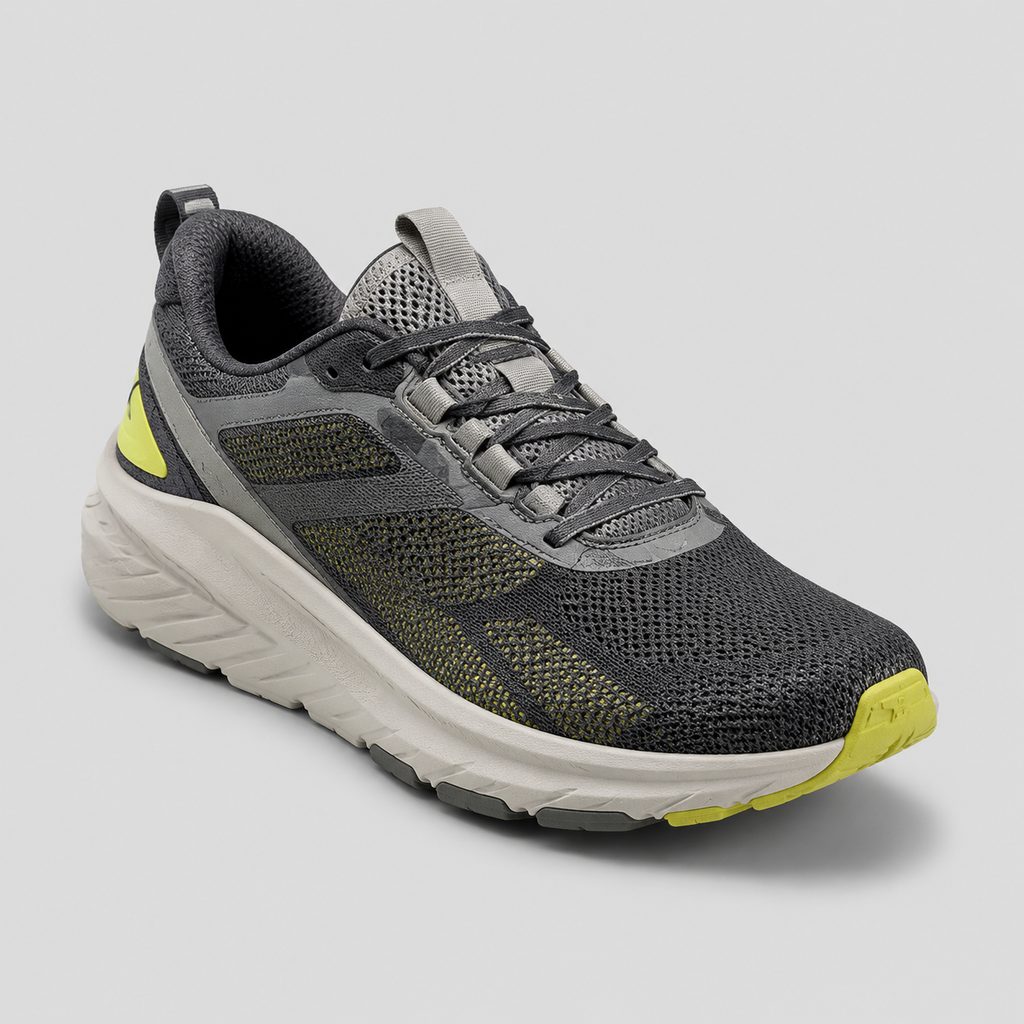
Product-development teams often leave bill-of-materials and tooling continuity undefined until after first production ships. Working with an oem sneaker manufacturer for reorders means treating those fields as part of the initial program definition, not as commercial cleanup after the first run. When they stay vague, the second order reopens construction and manufacturability decisions the OEM path was meant to keep steady.
Mark each continuity field held, still open, or outside published scope, then attach the open items to one current product definition when you ask which development, manufacturability, sampling, or quotation options may apply.
Reorder continuity is decided before first production ships
The practical failure mode is treating the reorder as a later commercial step. A first custom athletic sneaker program ships with a tech pack that was good enough to produce, and the team assumes the same construction will reappear automatically. On the next order, upper material family, midsole cushioning intent, outsole system, or tooling baseline is no longer treated as fixed. Design-for-manufacture work that should have been settled returns as open questions.
Continuity is a set of fields you freeze while the program is still being defined. If those fields are loose at first production, the second order inherits the same looseness. Buyer teams should treat reorder readiness as part of the initial specification rather than a phase that starts after goods clear export.
Map only the published OEM custody language
On the factory’s OEM and ODM services page, the OEM path is described as a build to spec sneaker manufacturer role: manufacture to the buyer’s tech pack and design, flag manufacturability issues during DFM, and hold the bill of materials and tooling across reorders. Read that language as a ceiling. It does not expand into broader custody, legal ownership transfer, IP assignment, or unlimited reorder support.
| Published OEM boundary | What a buyer can reasonably treat as in scope | What remains outside that sentence |
|---|---|---|
| Manufacture to tech pack and design | Production follows the current approved pack and design the buyer supplies or maintains | Factory-led redesign, open-ended style development, or pack authorship without a buyer definition |
| Flag manufacturability issues during DFM | Issues that affect buildability can be raised while design for manufacture is active | A promise that every issue is found, fixed, or waived without buyer decisions |
| Hold bill of materials and tooling across reorders | BOM and tooling continuity is part of the published OEM path for subsequent orders of that program | Ownership transfer, warehouse custody of finished goods, or a guarantee that every future change is free or automatic |
Keep the three clauses separate. Do not collapse them into full program management or “the factory owns the shoe.” Holding an athletic sneaker bill of materials and tooling across reorders is a continuity statement about manufacturing records and tools, not a transfer of brand control.
Confirm the program sits inside one sport-footwear family
Continuity planning only applies cleanly when the concept stays inside the product family the factory publishes as its specialist set. The about page describes the operation as sport-footwear specialists focused on one product family done consistently: running, training, walking, and casual sneakers, not a catch-all factory.
- Running sneakers intended for performance-inspired daily training or related running use
- Training sneakers that stay inside the same athletic construction language
- Walking sneakers that still fit athletic footwear construction norms
- Casual sneakers that remain in the published sneaker family
If the concept drifts into unrelated footwear categories, reorder continuity language from the OEM athletic path does not automatically travel with it. Confirm category fit before freezing BOM and tooling fields for a second order the plant is not positioned to treat as the same family.
Freeze construction fields reorders will re-use
The products range describes running shoes as performance-inspired daily-training builds with breathable uppers and cushioned midsoles. It also lists mesh, knit, or PU uppers with EVA and rubber outsoles. Those terms are construction vocabulary for that range, not a merged catalog of every option across unrelated styles. Use them to force explicit freeze decisions if a later reorder is meant to match the first program.
| Construction field | Why it must be explicit for reorder match | Register status to mark |
|---|---|---|
| Breathable uppers and cushioned midsoles | Published concurrent attributes; changing either side can force new samples if the first program mixed openness and cushioning intent without a freeze note | Held / still open / out of scope |
| Upper material family (mesh, knit, or PU) | Panel behavior, bonding, and appearance shift when the family changes | Held / still open / out of scope |
| Midsole construction and cushioning intent | Buyer freeze decision on how cushioning is specified in the pack; open height or feel choices can reopen the next order | Held / still open / out of scope |
| Outsole system (EVA and rubber roles) | Buyer freeze decision on how EVA and rubber roles stay aligned with the first approved build | Held / still open / out of scope |
Mark each construction row before first production. A field left still open at ship is a field the reorder can reopen. That status call is a buyer procurement choice, not a claim that the factory freezes every attribute automatically.
Retail, ecommerce, and private label appear on the products range as presentation paths, not as construction attributes. Track channel presentation, packing, and labeling as separate buyer-owned decisions outside the construction freeze set, and do not assume they sit inside the published BOM-and-tooling hold.
Open questions from the running-shoe launch example
The case studies page publishes an example project format titled as a running-shoe launch for a new brand: how a first running-shoe order is structured from a reference pair to inspected first production. Treat that page as an example format, not as a customer testimonial, default route, or proof of a completed program for your brand.
- What reference pair (or equivalent physical benchmark) defines the target hand-feel, last volume, and outsole geometry for this program?
- Which tech-pack fields must be complete before anyone can treat the build as manufacture to pack rather than exploratory?
- Which manufacturability risks should be raised during DFM so they are not discovered only at bulk inspection?
- What does inspected first production mean for your acceptance criteria: construction match, material callouts, labeling, or packing?
- Which of those acceptance criteria must remain identical on the next order if the program is meant to reorder without reopening design?
Answer those questions in buyer language and attach the answers to the continuity register. Do not treat the example format as a mandatory process map.
Factory-held records versus buyer-owned decisions
Custom sneaker tooling custody language in the OEM excerpt is limited to holding bill of materials and tooling across reorders. Compare that held layer with decisions that stay with the brand or product-development team.
| Layer | Published or buyer-side role | Continuity risk if ignored |
|---|---|---|
| BOM and tooling hold across reorders | Published OEM path for the defined program | Reorder may lack a stable manufacturing baseline if the first program never froze those records |
| Current tech pack completeness | Buyer-owned definition of design and construction | Gaps in the pack become negotiation points on the next order |
| Which construction fields are frozen | Buyer decision using range vocabulary and pack callouts | Upper, midsole, or outsole drift between seasons |
| Open manufacturability issues | Buyer decisions after issues are flagged during DFM | Unresolved flags return as late changes or rejects |
| Category fit inside running, training, walking, or casual sneakers | Buyer confirmation against the published specialist family | Program treated as out of family, so continuity assumptions do not apply cleanly |
Custody of BOM and tooling does not replace buyer ownership of the product definition. If the pack changes, the held records should change with an explicit revision, not by informal verbal drift.
Build a continuity register before you request options
Complete a short register in one sitting and keep it attached to a single current product definition so development, manufacturability, sampling, and quotation questions stay aligned.
- Held: fields the team treats as frozen for the first program and any intended reorder—for example, upper material family, cushioning intent, outsole system, and the BOM and tooling continuity expected under the OEM path.
- Still open: fields that need DFM flags, sample confirmation, or buyer choice before freeze—for example, unresolved panel stack, cushioning height, or labeling for a specific channel.
- Outside published scope: requests that go beyond manufacture-to-pack, DFM manufacturability flags, or holding BOM and tooling across reorders, or that leave the running, training, walking, and casual sneaker family.
Finish the register before you ask which options may apply. That order keeps any factory response tied to a defined program instead of a moving brief.
Package one product definition with continuity open items
When the register is filled, send one inquiry rather than a chain of disconnected notes. Share the current athletic sneaker definition, the construction fields you intend to freeze, and the open items that still need development, manufacturability review, sampling, or quotation context. Asking which of those options apply is a buyer request, not a documented service menu beyond the published OEM language.
- State category fit: running, training, walking, or casual sneaker inside the specialist family.
- Attach or summarize the current tech pack and design status, including reference-pair intent if you use one.
- List construction freezes using explicit upper, midsole, and outsole language where known.
- List still-open continuity items that should be resolved before or during first production if reorders must match.
- Ask which development, manufacturability, sampling, or quotation information applies to that definition, and submit through the factory’s request a quote path.
A single hypothetical illustration: a small brand preparing a first daily-training runner might mark mesh upper and EVA-plus-rubber outsole as held, leave midsole height open pending DFM, and ask only for the options that attach to that definition. Keep the illustration hypothetical; it is not a case study and does not prove a completed customer program.
Freeze what the published OEM path can hold, keep buyer-owned decisions visible, and send one product definition with a clear continuity register so the next order starts from the same construction baseline.
Sources and verification
- OEM / ODM Shoe Development | Custom Footwear Manufacturing First-party site source
- About Custom Shoe Factory | OEM/ODM Athletic Shoes First-party site source
- Footwear Manufacturing Case Studies | Example Project Formats First-party site source
- Athletic Shoe Manufacturer | Custom Product Range First-party site source
Share the current product definition and ask which development, manufacturability, sampling or quotation options may apply to the project.
Send your project brief