OEM Footwear Development
OEM Running Shoe Tech Pack Requirements for Buyers
A reference pair can provide a useful visual starting point, but the buyer still needs a written product definition. This guide separates visible observations from the running-shoe decisions that should be recorded before an OEM inquiry.
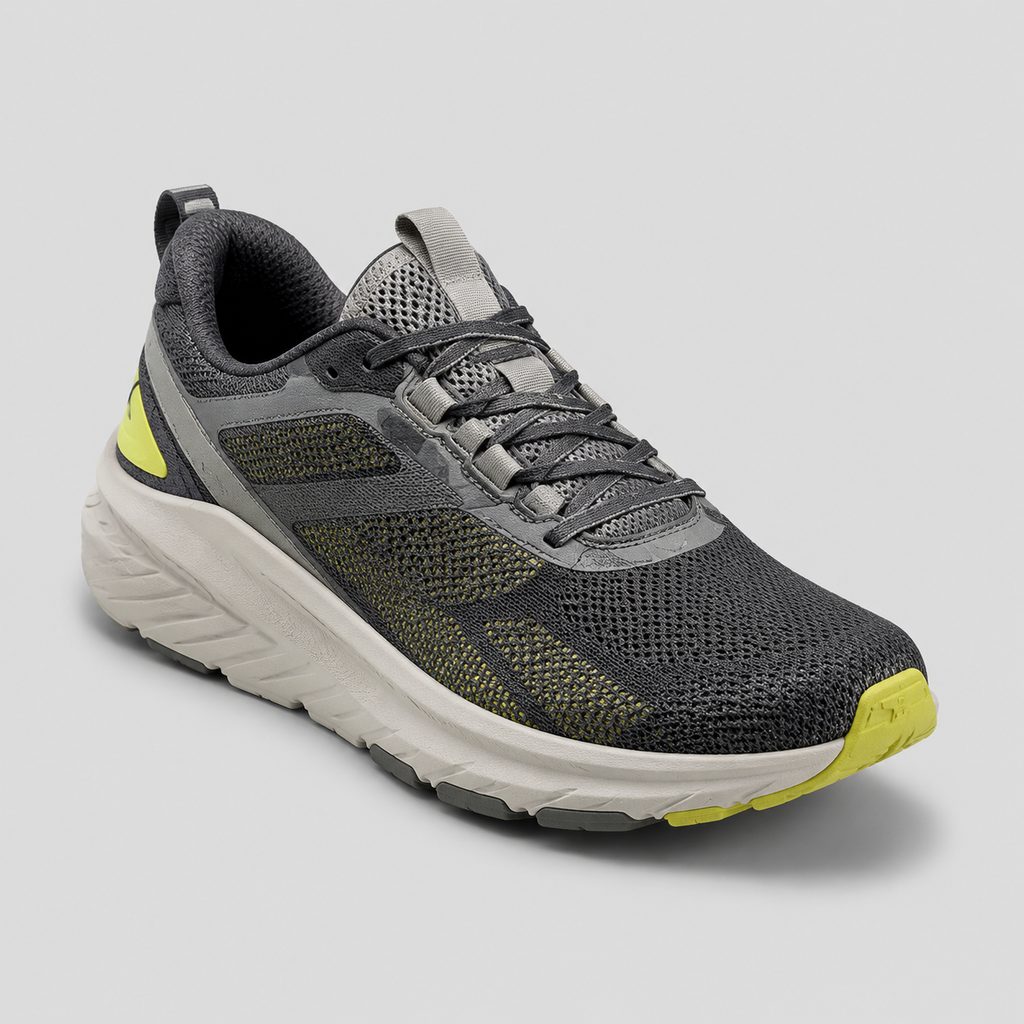
For a buyer, OEM running shoe tech pack requirements should be understood as a written product-definition task, not as a published factory-mandated checklist. A reference pair can give the project a shared object to examine, while a written record identifies the features the buyer intends to retain, change, or leave open for discussion.
A published running-shoe case-study preview describes a first order for a new brand as structured from a reference pair to inspected first production. Separately, the OEM and ODM page states that Custom Shoe Factory manufactures to a buyer's tech pack and design. Those statements do not establish that either a reference pair or a tech pack replaces the other for every project.
The records and questions below are editorial recommendations for the buyer. They are intended to make product intent easier to review without treating an image, a reference shoe, or an incomplete document as an instruction that has already been resolved.
Separate the Pair From the Product Definition
A reference pair is useful when the buyer distinguishes what is visible from what is actually required. The pair can be documented as evidence of the visual direction under review. The written definition should state whether a visible feature is meant to match, change, or serve only as context.
| Project input | Buyer-side use | Point to define in writing |
|---|---|---|
| Reference pair | Use labelled images or notes to record visible proportions, panel placement, outsole shape, color placement, and branding locations. | State which observed details are required, which are comparison points, and which should not carry into the proposed shoe. |
| Written product definition | Record the current item identifier, revision date, component decisions, color direction, branding direction, fit intent, and open items. | Identify which details remain questions for development, manufacturability, sampling, or quotation discussion. |
| Reference pair plus written definition | Link a marked image to the relevant component note so the visual reference and written direction can be read together. | Resolve any conflict between an image and written instruction before treating either one as current direction. |
This distinction matters most where an image could invite assumptions. A buyer should not treat a visible texture as confirmation of a material, or a hidden construction detail as a decided requirement, unless it has been recorded as such.
Record Decisions Where Images Leave Questions Open
For a custom running shoe tech pack, an observation record is more useful when it separates visible details from buyer intent. The following categories give product, sourcing, and brand teams a common way to review a reference without assuming that the reference already answers every question.
| Area | What the buyer can record from the pair | What the buyer should decide or mark open |
|---|---|---|
| Upper | Visible panel boundaries, overlays, collar height, tongue shape, eye-stay arrangement, heel treatment, and apparent reinforcement. | Whether the upper should follow the reference, differ from it, or remain under review. Record a target material only when the buyer has selected one. |
| Cushioning and outsole | Midsole profile, outsole coverage, tread geometry, exposed areas, and visible flex zones. | Whether the underfoot direction is intended to resemble the reference or change. Keep unresolved cushioning or outsole choices visible as open decisions. |
| Fit intent | Notes about the intended wearer and wearing context, if those have been decided by the buyer. | Desired toe-room impression, instep expectation, heel-hold priority, and any size-system direction the buyer wants considered. |
| Color and branding | Component-level color placement, logo locations, artwork orientation, and visible finishes. | Whether colors, artwork, scale, placement, or finish are final. Mark unfinished artwork or placement as open rather than relying on a temporary image treatment. |
It is reasonable for a buyer to leave an item unresolved. In an editorial product record, “not yet defined” is clearer than a guessed requirement that appears final because it is attached to a photograph.
Use the Product Range as Context, Not a Default Specification
On its running-shoe product page, Custom Shoe Factory describes performance-inspired daily-training builds with breathable uppers and cushioned midsoles. The page separately lists mesh, knit, and PU uppers. It also lists EVA and rubber outsoles.
Those published descriptions provide context for the site's running-shoe range. They do not establish a default specification for a buyer's project, confirm that a listed material applies to a particular inquiry, or establish a performance result. The buyer should therefore write the desired upper and underfoot direction as a project-specific requirement or mark it as an open question.
For example, a brief can distinguish between “retain the reference upper's visible panel layout,” “use the reference only for overall visual direction,” and “upper material remains to be discussed.” Those are different buyer instructions even when they begin with the same physical shoe.
Give Each Difference a Clear Status
A compact decision register can prevent a reference pair from becoming a blanket instruction to copy every visible feature. The buyer can use one status for each relevant component or detail.
- Match intent
- Use this only when the buyer wants a specific feature to remain aligned with the reference. Name the component and the feature being matched instead of applying a general instruction to copy the shoe.
- Intended change
- State the desired result, such as a different panel arrangement, changed outsole coverage, or moved branding. Describe the target product rather than assuming how the change will be engineered.
- Open decision
- Use this for choices still under review, including material direction, color treatment, cushioning direction, or logo finish. An explicit open item is easier to discuss than an incomplete drawing presented as final.
- Visual reference only
- Use this when a feature is included for context but is not a requirement for the new shoe. This gives the buyer a way to retain useful inspiration without making it an accidental specification.
For editorial control, keep the reference image, written note, decision status, and revision date together. If text and imagery point in different directions, the buyer should identify which one represents the current product definition before asking about next steps.
Bring Product Intent Into DFM Questions
The OEM page says that Custom Shoe Factory flags manufacturability issues during DFM. It does not describe particular revisions, engineering solutions, testing, timing, approval stages, or development outcomes. A buyer should therefore state the intended design and construction direction before asking how DFM may apply to the project.
Useful running shoe DFM questions can be tied to a written component or an identified unknown:
- For the documented upper, underfoot, and branding direction, which items raise manufacturability questions during DFM?
- What further product definition is needed to review a component marked as open?
- Which differences between the reference pair and written definition should be clarified before a sampling or quotation discussion?
- When the reference image and written brief differ, which direction should the buyer confirm as current before review?
These questions keep the buyer's product choices separate from a manufacturability discussion. They do not assume a particular sample sequence, revision path, test program, or approval process.
Keep Reorder Topics Separate From First-Order Decisions
The OEM page also states that the buyer's bill of materials and tooling are held across reorders. That statement should remain within its published scope. It does not establish ownership, retention duration, unchanged material availability, storage terms, change control, or a guaranteed reorder result.
Once the buyer has a current product definition, continuity can be addressed as a separate inquiry topic. Relevant questions include whether and how the published bill-of-materials and tooling statement may apply to the project, which revision would be treated as current, and how proposed product changes could be identified before a later order is discussed.
Separating those questions from the first-order brief helps avoid turning a reference pair into an assumption about future availability or future product consistency.
Send a Decision-Led Inquiry
A focused inquiry does not need to disguise unresolved work. It should show the current product direction and identify the decisions that still need discussion. As an editorial handoff, the buyer can include:
- A labelled reference-pair record explaining whether the pair is a match target, comparison object, or visual reference only.
- A current written product definition covering the upper, underfoot direction, fit intent, color, branding, and other essential buyer decisions.
- A component-level register that marks each relevant item as match intent, intended change, open decision, or visual reference only.
- Specific questions about which development, manufacturability, sampling, or quotation options may apply to the current project.
Share the current product definition through the quote request route and keep open decisions visible. The objective is a precise basis for discussion, not an appearance of completeness where the buyer has not yet made a product decision.
Sources and verification
- Footwear Manufacturing Case Studies | Example Project Formats First-party site source
- OEM / ODM Shoe Development | Custom Footwear Manufacturing First-party site source
- Athletic Shoe Manufacturer | Custom Product Range First-party site source
Share the current product definition and ask which development, manufacturability, sampling or quotation options may apply to the project.
Send your project brief