Sourcing Guides
OEM Running Shoe Manufacturer for Small Brands
Before asking an OEM athletic footwear factory for a quotation, a small brand should define the product family, current design inputs, known construction direction, and open development questions.
A small brand looking for an OEM running shoe manufacturer for small brands may already have sketches, reference photos, material ideas, or an unfinished tech pack. Those inputs can help the buyer explain what is known and unknown. They should not be treated as proof that the project is ready for build-to-spec manufacturing, sampling, or quotation review.
The practical question is narrower than finding shoe manufacturers for small businesses. The buyer needs to know whether the product fits the manufacturer's documented athletic-footwear scope, whether the available design information is detailed enough for an OEM discussion, and which topics still need to be asked as project-specific questions.
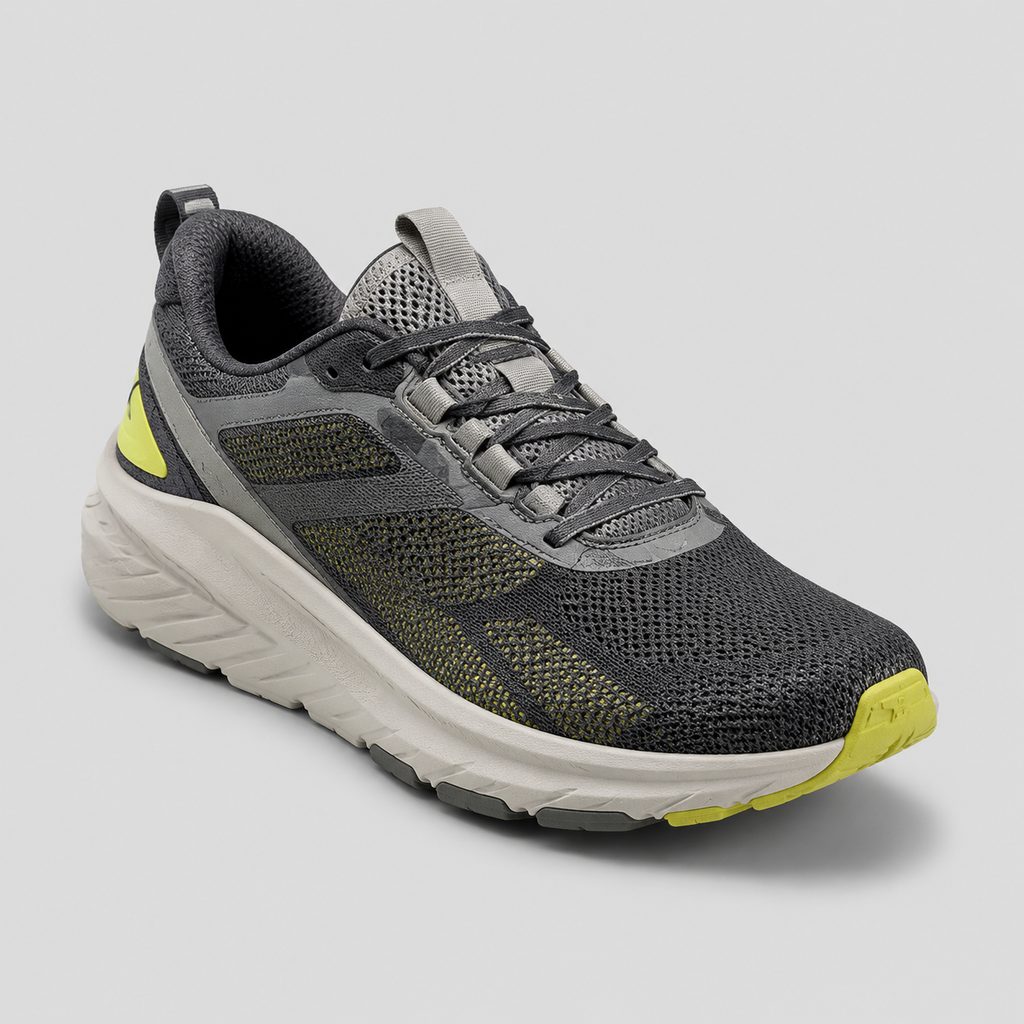
Custom Shoe Factory's public evidence supports a specific frame. The company describes its sport-footwear focus as running, training, walking, and casual sneakers. Its OEM service description says it manufactures to the buyer's tech pack and design, flags manufacturability issues during DFM, and holds the buyer's bill of materials and tooling across reorders. Its product range includes a running shoe example described around breathable uppers and cushioned midsoles.
That evidence does not state minimum order quantity, sample fee, price range, lead time, capacity, certifications, inspection protocols, or a guaranteed development path. Keep those as questions when contacting the factory through the quote request page.
Start With Fit, Then Files
The first filter is product family. Custom Shoe Factory describes one product family: running, training, walking, and casual sneakers. A running shoe, gym training shoe, walking shoe, or casual sneaker sits inside that stated scope. A leather dress shoe, boot, sandal, or unrelated accessory should not be folded into the claim.
As an editorial recommendation for the buyer, open the inquiry by naming the product family plainly. "Daily-training running shoe" or "walking sneaker" is more useful than "custom shoes" because it gives the supplier a specific category to compare with its stated focus.
After category fit, move to the design file question. The documented OEM basis is manufacture to the buyer's tech pack and design. If those files exist, the inquiry can ask how they should be reviewed. If they are incomplete, the buyer should say that directly and ask what information is needed before development, sampling, commercial, or quotation options can be discussed.
Use Product-Range Language Precisely
Custom Shoe Factory's running shoe product-range excerpt describes performance-inspired daily-training builds with breathable uppers and cushioned midsoles. The same excerpt names mesh, knit, and PU uppers. It also names EVA and rubber outsoles. Separately, it lists retail, ecommerce, and private label as contexts for the running shoe example.
Those details can help a small brand write a clearer brief. They should not be turned into a universal construction menu or a promise that every combination is available for every project.
Product use: If the project is a daily-training running shoe, say so. If the use case is different, describe it as the buyer's intended direction and ask whether it fits.
Upper direction: Mention mesh, knit, or PU only when one of those directions is actually being considered. If another upper material is desired, frame it as a project-fit question.
Midsole direction: The source describes cushioned midsoles. The buyer can state a cushioned-midsole direction if that is part of the current concept.
Outsole direction: The source names EVA and rubber outsoles. The buyer can include those terms as current discussion inputs when relevant.
Market context: If retail, ecommerce, or private label is already known, include it as background. Channel context does not replace product definition.
A concise small brand sneaker manufacturing inquiry might say: "We are defining a daily-training running shoe for ecommerce. We are considering a breathable upper direction and a cushioned midsole. Our tech pack is incomplete, so we want to know what information is needed to discuss manufacturability and next-step options."
Separate Factory Statements From Buyer Preparation
The buyer can avoid confusion by dividing the brief into documented factory role, current buyer inputs, and open questions. The table below keeps company-specific statements inside the supplied evidence and treats the rest as editorial preparation guidance.
| Topic | Documented Custom Shoe Factory statement | Editorial recommendation for the buyer |
|---|---|---|
OEM basis | The OEM service description says Custom Shoe Factory manufactures to the buyer's tech pack and design. | State whether the tech pack and design are complete, incomplete, or still being developed. Ask whether the current files are enough for OEM review. |
DFM | The OEM service description says manufacturability issues are flagged during DFM. | List the design areas where feedback is most important. Optional buyer context may include upper construction, sole direction, branding placement, material direction, colorway direction, or assembly details. |
BOM and tooling | The OEM service description says the company holds the buyer's bill of materials and tooling across reorders. | Ask what information should be referenced if a reorder or future discussion is needed. |
Commercial details | The supplied evidence does not state minimum order quantity, sample fee, price range, packing terms, or lead time. | Ask what project information is needed before development, sampling, commercial, or quotation options can be discussed. |
This distinction matters because a buyer can ask about many topics without turning those topics into documented company services. Sampling route, quotation basis, development options, construction details, and project fit should be asked as questions unless the source evidence already states them.
Decide Whether The Brief Is OEM-Ready
For running shoe OEM tech pack requirements, the central issue is not whether the buyer has every answer. It is whether the buyer can show the current state of the product clearly enough for the next conversation.
If the project is build-to-spec, send the tech pack and design because those are the documented OEM inputs. If the project is not yet build-to-spec, do not force the request into a quotation format. Ask which development or sampling options may apply and what additional information would be needed.
As an editorial recommendation, organize the brief in three layers. First, identify the category: running, training, walking, or casual sneaker. Second, share design inputs: the tech pack and design if available, plus optional buyer context such as sketches, CAD files, reference notes, material ideas, color direction, or branding placement when those items exist. Third, list open questions for manufacturability, sampling, development, commercial discussion, or quotation review.
Treat Reference Pairs As Limited Signals
Custom Shoe Factory's case-study page includes a running-shoe launch example format described as a first running-shoe order structured from reference pair to inspected first production. That is an example project format. It should not be presented as a guaranteed workflow, verified customer result, required path, timeline, or standard sequence for every new brand.
A reference pair can still be useful when the buyer explains its purpose. It may show approximate category, profile, material feel, outsole direction, or intended use. It should not be left to imply that the buyer wants a copied shoe or that the supplier should infer all construction details from a photo.
In a hypothetical inquiry, a buyer might say that a reference pair is included only to show the approximate daily-training profile and breathable upper direction, while the buyer's own branding and final construction remain open. That wording keeps the reference useful without turning it into a hidden specification.
Build The First Inquiry Package
A useful first inquiry for a custom athletic shoe manufacturer for startups should make knowns easy to inspect and unknowns easy to answer. The checklist below is editorial guidance based on the documented category scope, OEM role, running shoe product example, and example project format.
Product family: State whether the project is a running shoe, training shoe, walking shoe, or casual sneaker.
Use direction: If the shoe is a running shoe, describe the intended use in practical terms, such as daily training, if that is accurate.
Tech pack and design: Attach them if available. If they are incomplete, say what is finished and what is still open.
Optional design context: Include sketches, CAD files, colorway direction, branding placement, reference notes, or material ideas only when they help explain the buyer's current thinking.
Upper direction: Mention mesh, knit, or PU only if those directions are being considered.
Midsole and outsole direction: State whether a cushioned midsole, EVA, rubber outsole elements, or another sole direction is being considered.
Reference pair: Include one only if it clarifies category, shape, material feel, or construction direction. Explain what the reference should and should not communicate.
Questions for the factory: Ask what information is needed to discuss manufacturability, development, sampling, commercial terms, or quotation options for this specific project.
Buyers with defined tech packs can review the OEM and ODM service information and ask how their project should be reviewed. Buyers still narrowing the product family can review the product range before sending a request. Buyers looking at example project formats should keep those examples in their exact scope.
Readiness Rule For Small Brands
A small brand is ready to contact an OEM or ODM athletic footwear manufacturer when the product fits the documented family of running, training, walking, or casual sneakers and the buyer can share enough definition for the supplier to understand the current state of the project.
If the project is build-to-spec, the buyer should provide the tech pack and design. If the project is not yet build-to-spec, the better request is: "We are developing a running shoe concept, but our tech pack is not complete. What information do you need, and which development or quotation options may apply?"
The strongest request is a product-definition brief with clear category fit, current design inputs, construction directions where known, and honest open questions. When those pieces are ready, send them through the request a quote page and ask what information is needed for the project and which next-step options may apply.
Sources and verification
- OEM / ODM Shoe Development | Custom Footwear Manufacturing First-party site source
- Footwear Manufacturing Case Studies | Example Project Formats First-party site source
- Athletic Shoe Manufacturer | Custom Product Range First-party site source
- About Custom Shoe Factory | OEM/ODM Athletic Shoes First-party site source
Share the current product definition and ask which development, manufacturability, sampling or quotation options may apply to the project.
Send your project brief