Sourcing Guides
OEM Running Shoe Inspection Questions Before Production
A case-study phrase about inspected first production describes one published example, not a ready-made quality program. Use it to define what is known, identify open points, and prepare a project-specific OEM inquiry.
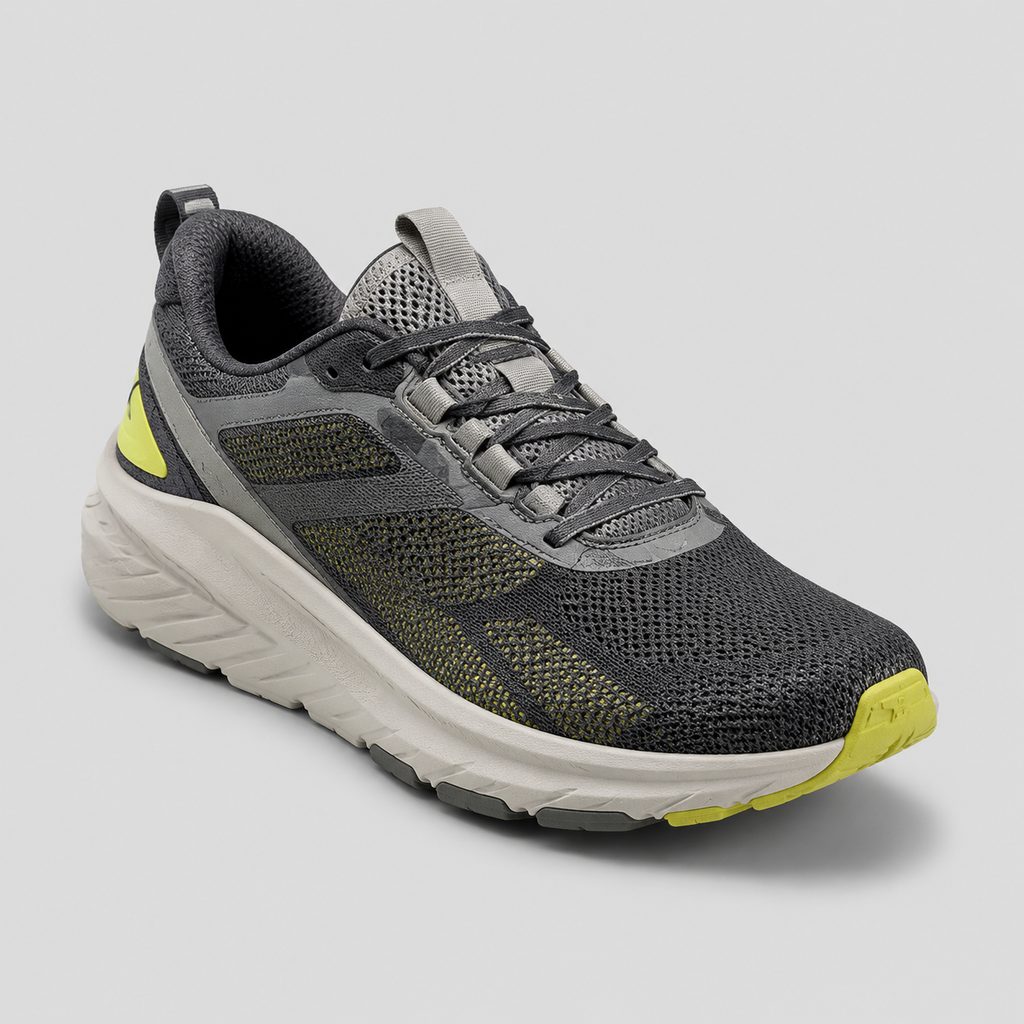
A case-study sentence is useful when it is read at exactly the scope published. For procurement teams, OEM running shoe inspection questions should begin with the product definition and the limits of the published example.
Custom Shoe Factory's case-studies page presents a "Running Shoe Launch for a New Brand" and says that a first running-shoe order is structured from a reference pair to inspected first production. That wording gives a buyer a specific discussion point. It does not fill in the working details that an acceptance plan would require.
A practical buyer-side method is to retain the published sequence as context, then put the unanswered points into a project inquiry. That keeps a case example from doing more work than its public wording supports.
Read the Example at Its Published Scope
The cited excerpt establishes a running-shoe launch example for a new brand. It describes an example order as moving from a reference pair to inspected first production. The page itself is titled "Footwear Manufacturing Case Studies | Example Project Formats."
Its language stops there. The excerpt does not name an inspection method, an acceptance criterion, an inspection frequency, a report, a decision maker, or a process for handling findings. A buyer therefore has a defined phrase to discuss, rather than a published specification to adopt.
That distinction matters before a quotation request. Calling a first production "inspected" may be important to a buyer, but the phrase alone does not state what applies to a particular design, order, or timing. Treat the cited example as context for questions, and confirm project terms separately. The case studies page is the source for the example wording.
Give the Product Its Own Definition
An inspection inquiry has to refer to a recognizable product. The public product page provides category context, but it does not replace the buyer's product definition.
Custom Shoe Factory describes its running-shoe offering as performance-inspired daily-training builds with breathable uppers and cushioned midsoles. The same product page lists mesh, knit, and PU uppers. It separately lists EVA and rubber outsoles. It names retail, ecommerce, and private-label contexts.
Company positioning states a focus on running, training, walking, and casual sneakers. Those public descriptions can help a buyer locate the stated product family. They do not identify the selected construction, material combination, size information, branding, or acceptance references for a new project.
| Product definition | Inspection inquiry |
|---|---|
| The buyer's current style intent, construction information, design references, and any known material direction | The buyer's questions about what the published phrase could mean for that defined product |
| Public running-shoe descriptors that provide category context | Open points such as timing, product features, buyer criteria, communication, and project applicability |
| Buyer-owned references, including a tech pack or design package where available | Questions to be confirmed for the project rather than assumed from the case-study example |
Procurement practice is to keep these two tracks distinct. A product page can describe a category. A case-study phrase can identify a topic for discussion. Neither one completes the product definition or establishes inspection terms for an inquiry.
Use a Facts-and-Questions Split
A short classification exercise can keep the inquiry precise. The first column below stays with the cited case-study wording. The second turns an unknown into a direct question. The third identifies a conclusion that the excerpt does not establish.
| Published case-study wording | Project question for the buyer to raise | Not established by the excerpt |
|---|---|---|
| A first running-shoe order is described as structured from a reference pair to inspected first production. | For this defined style, what would "inspected first production" mean if that topic is relevant? | That every running-shoe project follows this sequence. |
| A reference pair appears in the example sequence. | If a reference pair is supplied, how should it be used in the discussion for this project? | How a buyer's reference pair will be interpreted, approved, copied, or reviewed. |
| The example uses the word "inspected." | Which buyer-identified product points could be discussed, and what criteria would be relevant to them? | A named test method, threshold, sample quantity, report format, or third-party arrangement. |
| The page presents an example project format. | Which development, manufacturability, sampling, or quotation options may apply to this project? | That the example defines an arrangement for a future order. |
This is editorial guidance for interpreting sparse public information. It is not a description of an internal quality process. The value is in exposing the questions that still need a direct, project-level answer.
Keep DFM Separate From Inspection
The OEM / ODM service page gives a separate boundary for the development discussion. It states that Custom Shoe Factory manufactures to the buyer's tech pack and design. It also states that manufacturability issues are flagged during DFM. In another statement, the page says that the bill of materials and tooling are held across reorders.
These statements are relevant when a buyer is preparing materials for an inquiry, but they describe different subjects from the case-study phrase. DFM concerns manufacturability issues during the stated development stage. The case-study excerpt uses inspection language for an example first production. The public excerpts do not define these as one process.
OEM running shoe inspection questions therefore belong in their own column of the inquiry, next to but not merged with DFM. Provide the current technical information and ask separate questions for separate decisions. A tech pack or design package can support a conversation about manufacturability. Buyer acceptance references can support a conversation about what the buyer wants reviewed. Neither should be treated as a substitute for the other.
Useful materials to identify in an inquiry include:
- A current tech pack or design package, with unresolved points marked as open.
- Any reference pair or design reference, described as material for discussion until its role is confirmed.
- Buyer-owned construction, measurement, visual, branding, or packaging references that matter to the project.
- The specific inspection questions that need an answer before the buyer can form an acceptance approach.
The OEM / ODM development page is the source for the published tech-pack, DFM, bill-of-materials, and tooling statements. The product range provides the stated category context.
Questions Worth Putting in the Inquiry
The following are buyer questions, not descriptions of confirmed services. Select only the points that matter to the current product, and ask the manufacturer whether they are relevant to the project.
- Meaning of the stage
- Ask whether any discussion of first production inspection for running shoes is relevant to the project and, if so, which project stage that discussion concerns.
- Reference basis
- State the references you can provide, such as the tech pack, design materials, or a reference pair. Ask how those materials would be used for the discussion.
- Product points
- List the style-specific points the buyer wants to address. Ask whether those points could be considered in any inspection discussion for the project.
- Acceptance inputs
- Identify any buyer criteria or reference materials already available. Ask what additional definition would be needed before those inputs can be discussed.
- Communication and decisions
- Ask what project communication may be available if inspection is discussed, and ask who would need to confirm next steps when an issue is raised.
- Applicability
- Ask whether any development, manufacturability, sampling, or quotation option applies to this product inquiry.
This approach gives a buyer a focused OEM footwear quality control inquiry without asserting that an inspection program, report, approval right, or issue-handling procedure has already been agreed.
Request a Quote Without Closing the Open Points
A quotation request can carry the product definition and the unanswered questions at the same time. The buyer does not need to convert open points into presumed factory commitments before beginning the conversation.
- Describe the current running-shoe product: style intent, known construction information, design materials, and any open fields.
- Identify the materials being shared, including a tech pack, design package, or reference pair where one is available.
- List the project-specific running shoe quality inspection questions that remain open.
- Ask which development, manufacturability, sampling, or quotation options may apply to the project.
That structure preserves the distinction between a published example and a project response. It also gives the manufacturer a defined product and a concise set of questions to address. Submit the current product definition and open points through the request a quote path.
Sources and verification
- Footwear Manufacturing Case Studies | Example Project Formats First-party site source
- OEM / ODM Shoe Development | Custom Footwear Manufacturing First-party site source
- Athletic Shoe Manufacturer | Custom Product Range First-party site source
- About Custom Shoe Factory | OEM/ODM Athletic Shoes First-party site source
Share the current product definition and ask which development, manufacturability, sampling or quotation options may apply to the project.
Send your project brief