Buyer Guides
OEM build-to-spec shoe manufacturing for small brands: lock to hold
Small brands lose continuity when a quote arrives before the build is locked. Treat OEM as tech pack inputs, DFM flags, and BOM plus tooling held across reorders.
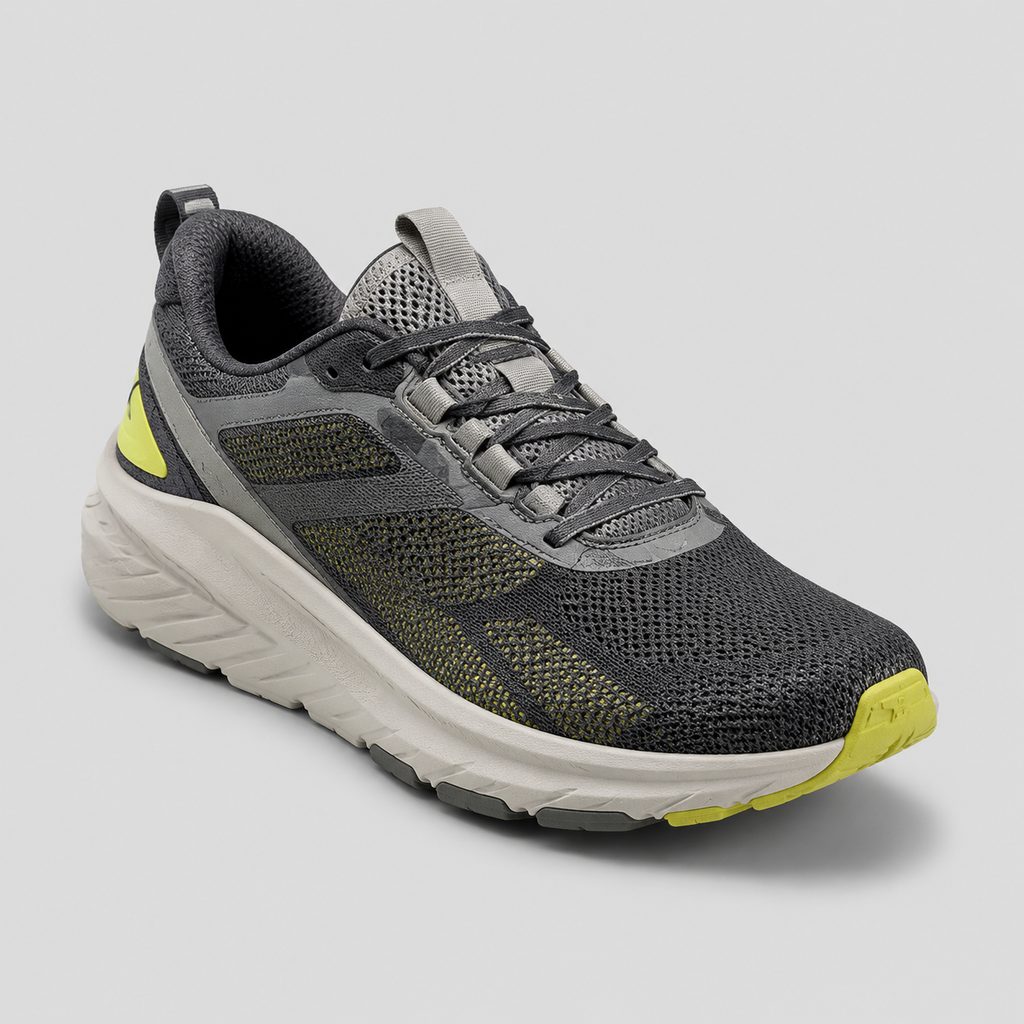
A unit price without a held build is how many small brands lose continuity between first production and the next purchase order. Style codes can match while materials, tools, and construction diverge. OEM build-to-spec shoe manufacturing for small brands stays continuous only when three responsibilities from the OEM and ODM service page stay explicit: the factory manufactures to your tech pack and design, flags manufacturability issues during DFM, and holds your bill of materials and tooling across reorders. That is a custody chain, not a slogan and not a full ODM design brief.
This guide stays inside that chain. It maps which decisions you own at each stage, why category language must sit before an athletic shoe DFM review for small brands, and how to ask what development, manufacturability, sampling, or quotation options may apply without inventing MOQs, lead times, or unstated services. Product-family fit belongs on the athletic product range and the specialization statement on about.
Why small brands stall after a concept, not after a factory name
A rough concept is enough to open a conversation. It is not enough to keep first production and reorders aligned. When buyers chase unit cost while upper construction, outsole family, last assumptions, and packing intent remain open, sampling tests goodwill instead of a fixed specification. Without a tech pack and design the factory is meant to manufacture to, nothing stable exists to hold later as BOM and tooling. Without DFM flags captured as written decisions, fixes land after dies and bulk commitments rather than as controlled tradeoffs.
The failure pattern is custody deferred. A number arrives first. The chain that would make that number repeatable on the next PO arrives late or not at all. Separate three questions before you compare suppliers: What must we hand over so manufacture-to-spec is possible? Which manufacturability issues should surface during DFM rather than after cutting tools? What must be held so reorder continuity is contractual, not assumed? Those questions track the OEM sentence on the service page; they are not a promise that every project will use every option.
OEM chain: tech pack, DFM flags, reorder custody
OEM (build to spec) is three bounded factory actions with clear actors. None of them, alone, claims ODM concept creation, perpetual IP ownership, unlimited redesign, or quality outcomes beyond that sentence.
| OEM stage (source scope) | Factory action as stated | What the small brand still owns | Buyer decision at this stage |
|---|---|---|---|
| Build to tech pack and design | Manufacture to the buyer’s tech pack and design | Design intent, drawings, materials callouts, tolerances, and pack-level fields you want treated as specification | Is the file set complete enough that “to your tech pack and design” has one meaning? |
| DFM | Flag manufacturability issues during DFM | Accept, reject, or redesign against each flag; keep a decision log so samples match the agreed fix | Which construction risks must surface before bulk tooling and before first production? |
| Reorder custody | Hold bill of materials and tooling across reorders | Change control: who may revise BOM lines, lasts, molds, or labels after first acceptance | What must stay identical on later orders, and how will changes be versioned? |
BOM and tooling custody footwear OEM language covers holding those items across reorders as stated on the service page. It does not state that custody is automatic without a commercial relationship, that every substitution is blocked, or that “hold” replaces buyer-side change control. Treat hold as continuity you still enforce in writing. Keep ODM-style design generation on a separate path so quotes are not compared across mismatched scopes.
Category specialization before manufacturability review
DFM is useful only after the program sits inside a product family the factory consistently works. The about page describes sport-footwear specialization as one product family done consistently: running, training, walking, and casual sneakers, not a catch-all factory. That is a category ceiling. It is not a performance certificate for any model.
Inside that family, the products page presents running shoes with classification signals: performance-inspired daily-training builds described with breathable uppers and cushioned midsoles; mesh, knit, or PU upper options; EVA and rubber outsoles; and channel labels for retail, ecommerce, and private label. Use those phrases to classify the program. Breathable and cushioned are product descriptors on that page; they are not lab scores, medical claims, or guaranteed outcomes.
- Family first: A DFM discussion on a silhouette outside running, training, walking, or casual sneakers can raise flags that belong to a different last and tooling set than your channel expects.
- Channel next: Retail, ecommerce, and private label wording helps you state how the pair will be sold, which shapes labeling and pack fields in the tech pack. It is not a guarantee of listing acceptance.
- Upper and outsole families third: Mesh, knit, PU, EVA, and rubber are option families listed for running on the products page. Name the families you intend before DFM so flags attach to the correct stack, not to a vague “sporty shoe.”
As an editorial recommendation for the buyer: freeze category and channel wording before you invite an athletic shoe DFM review for small brands. A note that a mesh panel will crease at a given stitch density helps only if mesh is already the agreed upper family for a running or training program.
Example project stages: reference pair to inspected first production
The case-studies page lists a running-shoe launch for a new brand as an example of how a first running-shoe order is structured, from reference pair to inspected first production. That is a stage skeleton and example project format, not a customer timeline, volume schedule, or guaranteed route.
Use only the stated endpoints: a reference pair at the front, inspected first production at the back. Between them, your program still needs the OEM chain above. One hypothetical structure for questions (not a customer case): lock category as running; attach a reference pair that shows intended last feel and outsole geometry; complete tech-pack fields so manufacture-to-spec is defined; capture DFM flags in writing and accept or reject them; treat first production as the lot that must match the locked pack before any reorder relies on held BOM and tooling. Ask which sampling and quotation options may apply to that path. Do not treat the sequence as a documented service package beyond the OEM clauses and the case-study stage labels.
Running shoe first production for new brands, in this sense, is a procurement gate: inspection against the agreed build, not a marketing milestone. If the reference pair and the tech pack disagree, first production inherits the conflict. Resolve that conflict before bulk commitment language enters the conversation.
What the small brand locks versus what the factory can hold
Clarity comes from actor and time boundary. You lock intent. Under the OEM definition, the factory manufactures to that intent, flags manufacturability issues during DFM, and holds BOM and tooling across reorders. The case-studies page only adds an example structure for how a first running-shoe order can be described from reference pair to inspected first production.
- Buyer-controlled locks
- Design intent and sketches treated as binding; tech-pack fields (construction, materials, colors, size-run intent, labeling); category inside running, training, walking, or casual sneakers; channel language such as retail, ecommerce, or private label when it affects pack and presentation; written acceptance or rejection of each DFM flag; change-control rules for anything that would alter held BOM or tooling after first production.
- Factory actions (OEM excerpt)
- Manufacture to the buyer’s tech pack and design; flag manufacturability issues during DFM; hold the buyer’s bill of materials and tooling across reorders.
- Example framing (case studies)
- Structure of a first running-shoe order described from reference pair to inspected first production; use as a stage map for questions, not as evidence of outcomes, volumes, or dates.
Outside these sources: any claim that DFM invents your design, that held tooling means free redesigns, that inspection covers unstated standards, or that descriptors such as breathable or cushioned are verified performance grades. Keep those as open buyer questions or as marketing copy separate from the manufacturing specification.
Inquiry topics that test the custody chain
Send the current product definition, not a slogan. State the category inside the athletic family on the about page, the channel intent if known, and whether you already have a tech pack, a reference pair, or only concept art. Then ask what may apply.
- Given our tech pack and design as they stand, which gaps would prevent manufacture-to-spec under your OEM definition?
- For this running, training, walking, or casual program, which manufacturability issues would you flag during DFM, and in what written form should we accept or reject them?
- How would bill of materials and tooling be held across reorders for this style, and what buyer-side change notice would you require before a BOM line or tool is altered?
- If we use a reference pair and aim at inspected first production as in the example structure on case studies, which sampling or quotation options may apply to our project?
- Do our upper and outsole families (for example mesh or knit with EVA and rubber on a running build) sit inside the range language you list for that category and channel?
Those questions test custody without inventing MOQs, lead times, or ODM depth the OEM excerpt does not state. Share the definition you have today through the request a quote path, and ask which development, manufacturability, sampling, or quotation options may apply. Keep products open beside the brief for category signals. Keep case studies as framing for the reference-pair-to-inspected-first-production stage map only. Specialization language remains on about.
Do not buy a supplier conversation first and invent continuity later. Lock what enters the tech pack, treat DFM flags as written decisions, and treat BOM and tooling held across reorders as the bridge between inspected first production and every pair that follows. That is the working meaning of OEM build-to-spec when a small brand intends to reorder the same shoe.
Sources and verification
- OEM / ODM Shoe Development | Custom Footwear Manufacturing First-party site source
- Footwear Manufacturing Case Studies | Example Project Formats First-party site source
- Athletic Shoe Manufacturer | Custom Product Range First-party site source
- About Custom Shoe Factory | OEM/ODM Athletic Shoes First-party site source
Share the current product definition and ask which development, manufacturability, sampling or quotation options may apply to the project.
Send your project brief