Footwear sourcing
How to Shortlist an OEM Shoe Manufacturer by Input Path
A shortlist method for UK brands and importers: score factories on documented OEM input path and DFM scope before materials, photos, or first-production examples.
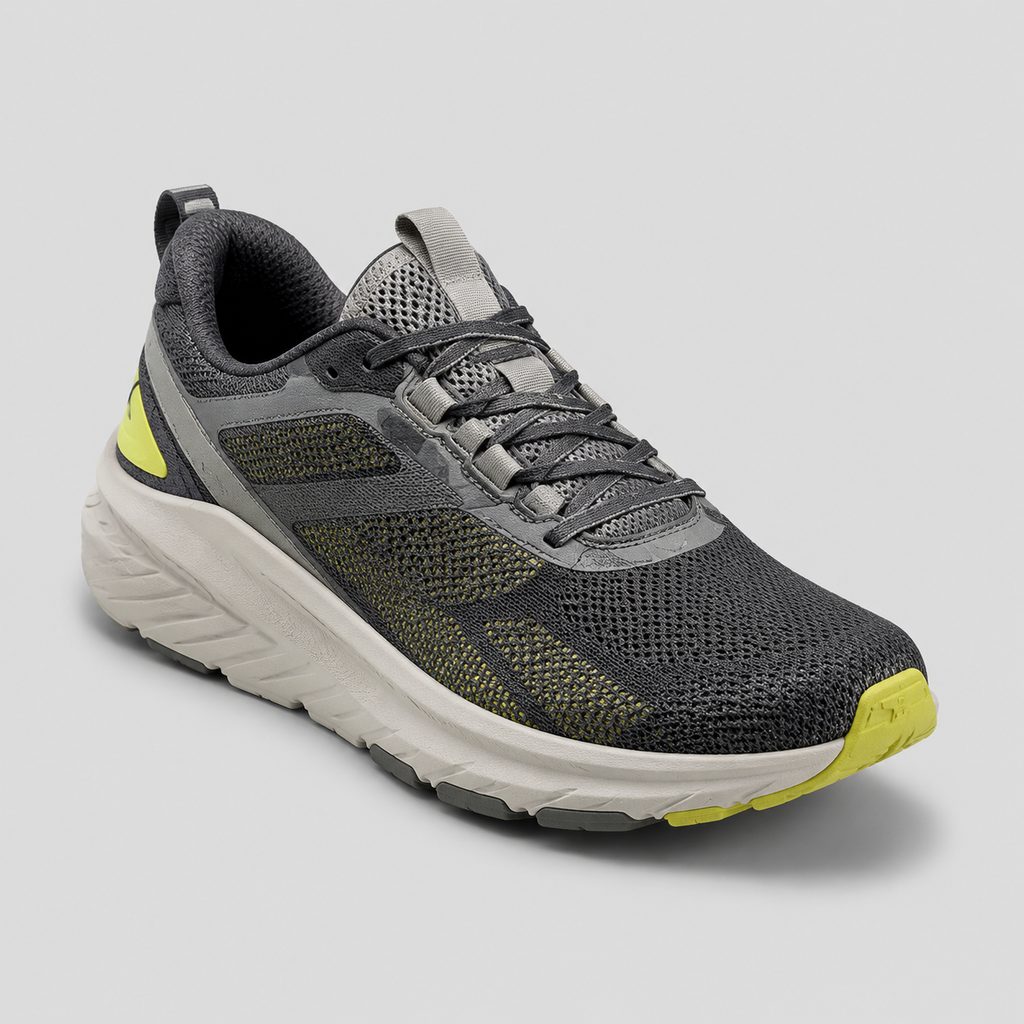
Buyers often build a factory shortlist from breathable uppers, cushioned midsoles, and a handful of product photos, then learn at sampling that the supplier never worked from a full tech pack. If you need to know how to shortlist an OEM shoe manufacturer, start with a harder filter: does each candidate document an OEM build-to-spec path, manufacturability flags during DFM, and the custody terms you will need on reorders? Until that input-path check is done, catalogue similarity is not a ranking score.
Work only from what first-party pages actually state. Material labels and channel tags stay for later confirmation. Finish the shortlist step with a definition-led inquiry that asks which development, manufacturability, sampling, or quotation options may apply. Do not treat the project as quote-ready before those options are clear.
The shortlist mistake catalogue pages encourage
Category pages show range. They do not prove OEM readiness. On Custom Shoe Factory’s athletic product range page, running shoes are framed as performance-inspired daily-training builds with breathable uppers and cushioned midsoles. The same page lists mesh, knit, or PU uppers; EVA and rubber outsoles; and retail, ecommerce, or private-label positioning. That copy helps you decide whether a silhouette family is even relevant. It does not confirm manufacture to your tech pack and design, manufacturability flags during DFM, or holding bill of materials and tooling across reorders.
The costly mistake is timing. Teams treat material labels and “athletic shoe” language as the main filter, then discover weeks later that the commercial conversation was a photo-plus-quantity path, not a build-to-spec path. Factories that never belonged on the same list waste the same comparison cycle.
Editorial recommendation for the buyer: treat range copy as “could this factory plausibly sit in this product lane?” Keep “will this factory run our files the way we need?” as a separate decision, not as a label you infer from materials.
Choose the files you hold before you rank names
Before you score names, decide which files you hold today. Custom Shoe Factory’s site publishes two different commercial shapes. They should not collapse into one vague “custom shoes” criterion.
| Buyer situation | What first-party copy supports | How to use it on the shortlist |
|---|---|---|
| You own (or will own) a tech pack and design | OEM (build to spec): manufacture to your tech pack and design; flag manufacturability issues during DFM; hold bill of materials and tooling across reorders | This is the commercial path to verify. Names without that OEM wording stay off the list until the path is published or confirmed. |
| You have a reference pair and first-order launch intent only | A running-shoe launch example structured from reference pair to inspected first production | Use the page only as an example project format. It is not a second full OEM commercial path and not catalogue-fit proof for every athletic program. |
If your team holds a tech pack, check whether OEM language appears in that form: manufacture to the pack, DFM manufacturability flags, and later BOM/tooling custody. If you only have a reference pair and launch intent, the case-studies page shows one published example of how a first running-shoe order can be structured. That example is not a catalogue promise that every category, quantity, or construction follows the same commercial path.
Ranking names before this choice creates false ties. A plant that looks strong on mesh running shoes can still be a weak OEM candidate if your brief needs tech-pack execution and the path you need is missing, or only shown as an example project format.
What counts as an OEM shoe manufacturer DFM review
OEM/ODM services copy states that under OEM (build to spec), the factory manufactures to your tech pack and design and flags manufacturability issues during DFM. For shortlisting, that sentence is the whole DFM mark. Nothing more.
Give a limited positive when OEM build-to-spec text includes manufacturability flags during DFM while manufacturing to the buyer’s tech pack and design. Finished product photos do not earn that mark. Neither do claims about redesign ownership, free engineering hours, automatic sample rounds, or timeline guarantees; those items are not in the OEM sentence.
After a factory clears this filter, keep project-level questions open: which manufacturability issues they typically raise on programs like yours, and which development or sampling options may apply once your definition is shared. Those answers belong in the inquiry, not in the shortlist score itself.
Read the running shoe first production example at format scope
Case-study blurbs are easy to over-read. The published running shoe first production example is titled as a running-shoe launch for a new brand and described as how a first running-shoe order is structured, from reference pair to inspected first production. Stay inside that structure.
Extract shortlist questions from the blurb rather than awarding programme points:
- Does the candidate discuss a first-order structure that can start from a reference pair when that is your real input?
- Does “inspected first production” appear as a stage in their example format, without inventing inspection protocols or pass rates?
- Are you keeping the example inside running-shoe first-order structure, rather than transferring it to walking, training, or casual programs without new evidence?
Do not award points for named customer outcomes, default MOQ, a guaranteed first-order route for all brands, or proof that every athletic style follows the same sequence. The page presents example project formats. Treat the blurb as a template for questions you still need answered on your project.
Where range materials belong on a tech pack footwear manufacturer shortlist
Materials still matter after input path and DFM language. They should not remove a factory while path fit is unresolved.
| Published range signal | Use after path fit | Do not treat as |
|---|---|---|
| Breathable / cushioned running shoes; daily-training builds | Category relevance check | Proof of OEM tech-pack execution |
| Mesh / knit / PU uppers | Construction family to confirm against your pack | A complete upper capability list for every program |
| EVA & rubber outsoles | Outsole family to confirm against your pack | A sole-system guarantee or compound specification |
| Retail, ecommerce, private label | Channel labels to discuss when true for your route to market | Unrestricted private-label design authorship or ODM ownership |
If two factories both clear the OEM input-path gate, mesh versus knit, or retail versus private-label framing, can break the tie. If only one factory documents build-to-tech-pack work with DFM flags, a stronger running-shoe photo on the other page does not restore the loser. Aesthetic similarity must not outrank path fit.
Custody filters only after path fit
Once a candidate clears OEM path fit, add second-stage filters from published custody and importer language. Do not substitute these filters for path fit, and do not widen them past the page wording.
- BOM and tooling across reorders (OEM scope). OEM copy states that under build to spec, the factory holds your bill of materials and tooling across reorders. Count this only for an OEM build-to-spec relationship, and only as holding BOM and tooling across reorders. It is not pre-relationship custody, unlimited free tooling storage, or control of designs you never placed.
- Size grading locked to the golden sample (importer-facing scope). Importer and wholesaler copy states sizing that does not drift: size grading locked to the golden sample and verified by measured length and width at final inspection, container after container. Keep that limit: golden-sample lock plus length/width checks at final inspection. Do not expand it into last grading, fit labs, or pre-production measurement programs the excerpt does not describe.
- Order of application. Path and DFM first; custody second. A factory that never states OEM manufacture-to-pack and DFM flags should not enter the shortlist solely because sizing language looks reassuring on an importers page.
These filters help multi-drop importers and brands planning reorders. Custody language without a matching OEM path still does not replace build-to-spec readiness.
Shortlist inquiry that leaves manufacturability open
A shortlist is not a purchase. Contact candidates with the current product definition and ask which development, manufacturability, sampling, or quotation options may apply to the project. Use the path at request a quote as an open options channel, not as a completed service package.
Minimum fields for a clean shortlist inquiry:
- Chosen input path: State OEM build-to-tech-pack, or first-order structure starting from a reference pair, so the factory does not guess which commercial shape you mean.
- Current product definition: Category intent, what is fixed versus open, and whether a tech pack, design files, or only a reference pair exists today.
- Manufacturability still open: If you are on the OEM path, ask them to flag manufacturability issues during DFM against your pack. Do not write as if those flags have already been delivered or priced.
- Custody still to confirm: If OEM, ask whether BOM and tooling hold across reorders applies to this relationship. If you buy as an importer-style program, ask whether size grading locked to a golden sample with length/width at final inspection is relevant.
- Commercial topics as questions: Ask which sampling, packing, or quotation information applies to this project. Do not list those topics as fixed offerings proven by this article.
Hypothetical only: a UK brand with a partial tech pack and a reference trainer might keep two factories that both publish OEM DFM flag language, set aside a third that only matches mesh running-shoe photos, then send the same definition to the two survivors and ask which manufacturability and sampling options apply. That is process shape, not a customer case and not a documented result.
First-party pages to keep open while you draft: OEM / ODM services for build-to-spec, DFM flags, and BOM/tooling hold language; case studies for the running-shoe first-production example format; product range for materials and channel labels kept off the main filter; and importers and wholesalers for golden-sample size grading and final-inspection length/width wording.
How to shortlist an OEM shoe manufacturer is a sequence problem. Lock the input path. Count only the DFM manufacturability flags that appear in OEM copy. Read first-production examples at format scope. Move range materials to confirmation. Then apply custody filters. The factories that remain are the ones worth a definition-led inquiry, not the ones with the cleanest catalogue photography.
Sources and verification
- OEM / ODM Shoe Development | Custom Footwear Manufacturing First-party site source
- Footwear Manufacturing Case Studies | Example Project Formats First-party site source
- Athletic Shoe Manufacturer | Custom Product Range First-party site source
- Wholesale Shoes & Bulk Footwear Supply | Importers First-party site source
Share the current product definition and ask which development, manufacturability, sampling or quotation options may apply to the project.
Send your project brief