Sourcing
How to Find a Shoe Manufacturer for Consistent Shoe Sizing
A sizing-control sourcing brief for athletic footwear buyers preparing a product definition, golden-sample discussion, and supplier inquiry.
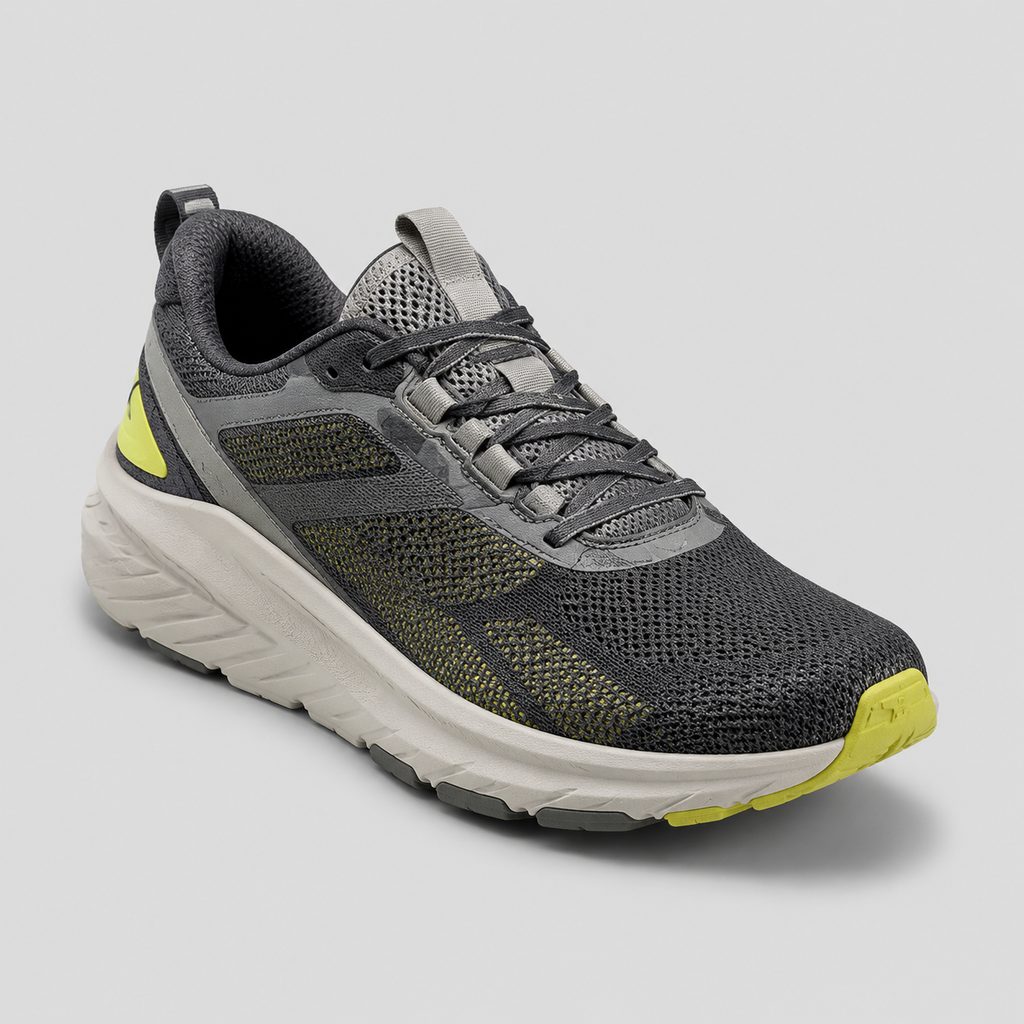
Learning how to find a shoe manufacturer for consistent shoe sizing starts with a narrower question than price, location, or a broad OEM claim. What reference will define the program's sizes, and what documented checks can a prospective supplier describe?
For an athletic footwear buyer, that question belongs early in development. Size grading, the status of a golden sample, and the information in a tech pack affect whether a supplier can give a useful response to a product definition. They also keep a quotation discussion from becoming a substitute for unresolved product decisions.
Custom Shoe Factory publishes several relevant statements. Its OEM material says it manufactures to the buyer's tech pack and design. The same material says manufacturability issues are flagged during DFM. Separately, it says the buyer's bill of materials is held across reorders, and that the buyer's tooling is held across reorders. Its importer and wholesaler material says size grading is locked to the golden sample. That material also says measured length and width are verified at final inspection, container after container.
The published wording has limits. It does not state measurement tolerances, a measurement-report format, third-party certification, wear testing, fit validation, or a guarantee of comfort, performance, or size consistency. Treat those as project questions. This distinction is useful because a buyer can screen for a documented basis without assuming that every detail of a sizing-control process has already been published.
Begin With The Reference
Before comparing manufacturers, define what the project is asking the factory to preserve. An approved golden sample may be the current reference. A reference pair may instead be an early design input. In other programs, the product has not reached either stage. Those are different starting points, and the inquiry should say which one applies.
As an editorial recommendation, put the sizing issue into the project brief in plain terms. Identify the product category, the intended size range, the status of grading instructions, and the status of the sample reference. State any construction decisions that are fixed and any that remain open. This does not establish factory requirements; it gives the prospective manufacturer enough context to identify what it can review.
A useful internal brief distinguishes between a finished product definition and a direction that still needs development. A complete tech pack, a draft tech pack, design files, a reference pair, and an approved golden sample are not interchangeable inputs. The supplier can then address the project at its actual stage rather than infer missing decisions from a general request for athletic footwear.
Build A Product Definition Before The Inquiry
Custom Shoe Factory states that OEM build-to-spec manufacturing follows the buyer's tech pack and design. For a sizing-led supplier conversation, that makes the current product definition central. The buyer is not required to present every decision as final, but the inquiry should make clear what is known.
As an editorial recommendation, include the following points in the first project summary:
- Product family, such as running, training, walking, or casual footwear.
- Current tech pack status and the available design materials.
- Whether there is a reference pair, an approved golden sample, or neither.
- Intended size range and whether grading instructions have been developed.
- Known construction direction, including upper and outsole choices where those have been decided.
- Open questions that could affect development, sampling, manufacturability, or quotation.
This summary is also the right place to identify why sizing is under review. For example, the buyer may be deciding how a new product definition should relate to an approved sample. That is an inquiry context, not evidence of a standard factory workflow.
Custom Shoe Factory also says manufacturability issues are flagged during DFM. A buyer can therefore ask which parts of the submitted design need DFM discussion. The evidence does not say DFM resolves every issue, confirms a fit result, or replaces sample approval. Keeping that boundary clear helps procurement teams avoid assigning more meaning to DFM than the source supports.
Use The Golden Sample As A Specific Question
The published importer and wholesaler wording gives the golden sample a defined role: size grading is locked to it. That is a meaningful screening point for shoe manufacturer size grading, but it is not a full description of how an individual program is approved.
The same source says measured length and width are verified at final inspection. It does not expressly say that the final-inspection measurements are compared directly with the golden sample. It also does not set out tolerances, approval steps, measurement records, or the handling of design changes after a sample is approved.
As an editorial recommendation, turn that evidence boundary into direct questions for the project:
- Which current sample or reference will be treated as the golden sample?
- Has the intended size range already been graded, or is grading still open?
- How can measured length and width verification at final inspection be discussed for this product?
- Which tolerances, measurement formats, records, and buyer sign-off points may apply?
- What should be reviewed if the construction changes after the sample reference is established?
These questions do not describe standing services. They help the buyer determine whether the published sizing language can be connected to the actual product definition before sampling or quotation proceeds.
Match The Inquiry To The Product Category
Product context makes sizing questions more useful. Custom Shoe Factory's product range describes running shoes as performance-inspired daily-training builds with breathable uppers. It separately describes those running shoes as having cushioned midsoles. The product material lists mesh uppers in the running-shoe context. It also lists knit uppers and PU uppers in that context. In separate construction language, it lists EVA outsoles and rubber outsoles.
The same product material connects running shoes with retail use. It also connects them with ecommerce use and private-label use. Those descriptions help a buyer name the category and the construction direction under consideration. They do not establish material behavior, weight, break-in, durability, or fit outcomes for a particular shoe.
For example, a running-shoe inquiry can identify a mesh, knit, or PU upper direction if that decision is known. It can separately state whether an EVA or rubber outsole direction is under consideration. A training, walking, or casual-shoe inquiry should describe its own current construction information rather than borrow running-shoe attributes that have not been selected for the project.
Compare Published Statements With Open Questions
A supplier comparison becomes more reliable when documented statements and unresolved questions stay in separate columns. The table does not turn the questions into promises. It identifies what needs a project-specific response.
| Topic | Published statement | Project question for the buyer to ask |
|---|---|---|
| Build basis | Custom Shoe Factory states that it manufactures to the buyer's tech pack and design for OEM build-to-spec work. | Which parts of the current tech pack and design are sufficient for review, and which need clarification? |
| DFM | Custom Shoe Factory states that manufacturability issues are flagged during DFM. | Which current design decisions should be reviewed for manufacturability? |
| Bill of materials | Custom Shoe Factory states that the buyer's bill of materials is held across reorders. | Which BOM information should be confirmed for the present product definition? |
| Tooling | Custom Shoe Factory states that the buyer's tooling is held across reorders. | Which tooling decisions are fixed, and which remain open for development discussion? |
| Size grading | Custom Shoe Factory states that size grading is locked to the golden sample. | What is the current golden-sample status, and what size-range information is available? |
| Final inspection | Custom Shoe Factory states that measured length and width are verified at final inspection. | What measurement format, tolerances, records, and sign-off points may apply to this project? |
This separation matters most where commercial or quality details are often assumed. The supplied material does not establish MOQ, packing terms, sample-approval stages, inspection documentation, lead times, pricing, or a tolerance schedule as published commitments. A buyer may ask about each topic, but should request a project-specific answer rather than present it as a documented service.
Read The Example Project For Its Limited Scope
The case studies page includes an example titled as a running-shoe launch for a new brand. The excerpt describes how a first running-shoe order is structured from reference pair to inspected first production.
This supports a limited conclusion: the site presents that project format as an example. It does not prove that every running-shoe project starts with a reference pair. It does not establish a standard timeline, a required sequence, or a guaranteed result for another buyer's program.
Still, the example is useful for preparing an inquiry. A buyer with a reference pair can identify it. A buyer with only a concept can say that the product definition is still developing. In either case, the question remains the same: which development, DFM, sampling, and quotation options may apply to the current information?
Send A Focused Sizing-Control Inquiry
The final inquiry should make the project easy to assess without claiming that unresolved points are settled. Share the product definition through the request a quote page, then ask which options may apply to the program.
- Name the footwear category and intended market use.
- Provide the tech pack and design materials that are available.
- Describe the construction direction, if known.
- State the golden-sample or reference-pair status.
- Identify the intended size range and the current grading status.
- List open manufacturability, sampling, tooling, material, quotation, or packing questions.
- Ask how measured length and width verification at final inspection can be discussed for the project.
Buyers working with bulk-footwear programs can also review the published importer and wholesaler information for the sizing wording. The OEM and ODM service page remains the relevant source for the company's build-to-spec, DFM, BOM, and tooling statements. Together, those sources provide a starting point for a careful supplier conversation, not a substitute for the product-specific details that still need to be confirmed.
Sources and verification
- OEM / ODM Shoe Development | Custom Footwear Manufacturing First-party site source
- Footwear Manufacturing Case Studies | Example Project Formats First-party site source
- Athletic Shoe Manufacturer | Custom Product Range First-party site source
- Wholesale Shoes & Bulk Footwear Supply | Importers First-party site source
Share the current product definition and ask which development, manufacturability, sampling or quotation options may apply to the project.
Send your project brief