Supplier Evaluation
China Shoe Manufacturer Case Study Evaluation: Read the Limits
A supplier example can support evaluation when its stated format is separated from the product-specific questions that still need an answer.
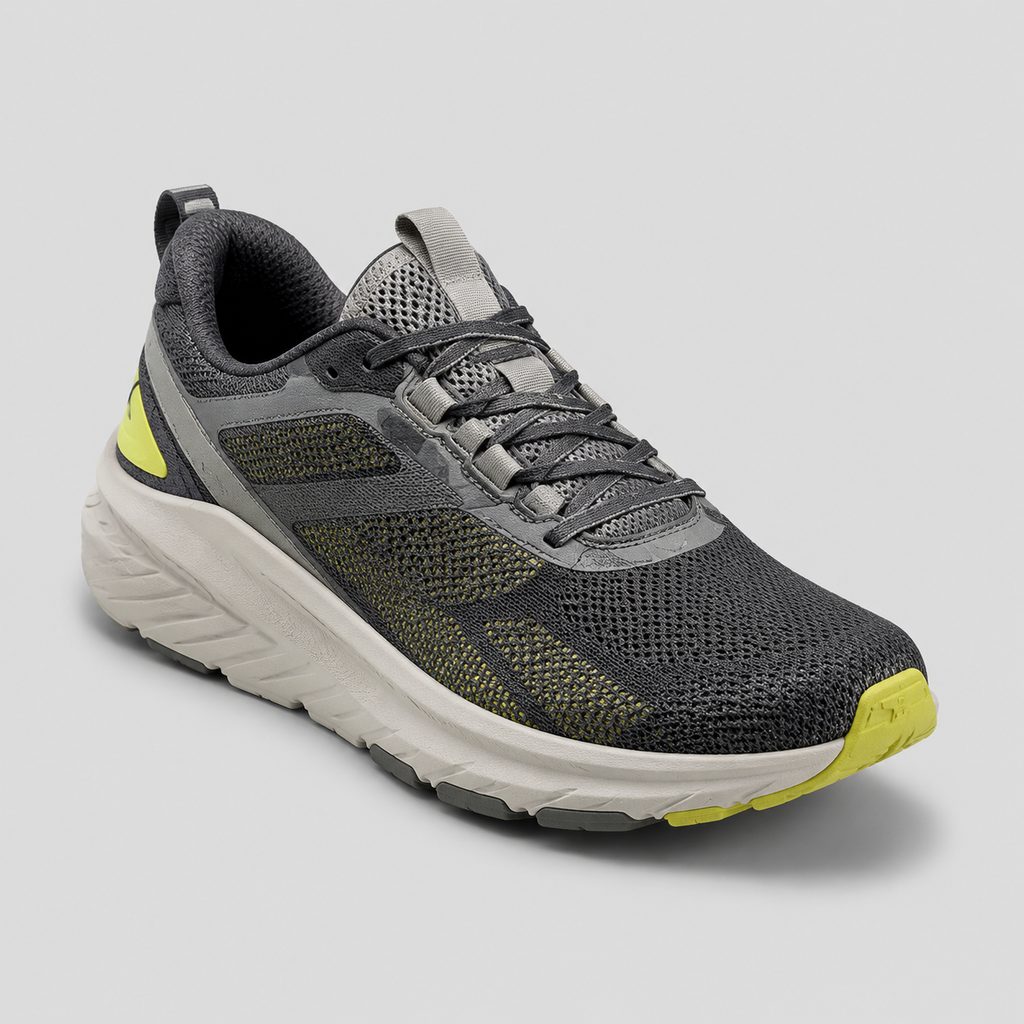
A China shoe manufacturer case study evaluation starts with a narrow task: read the published wording before assigning it a broader meaning. For buyer evaluation, treat a case-study example as a prompt for follow-up rather than as a complete decision record for a different product. This is an editorial recommendation based on the limited wording available in the cited example.
The case-studies page provides a running-shoe example. Its value is not that it answers every sourcing question. Its value is that it gives the buyer a specific published statement to compare with the product now under review.
Read the Line Before You Score the Supplier
The page labels the example Running Shoe Launch for a New Brand. Its description says, How a first running-shoe order is structured - from reference pair to inspected first production. The distinction between the source wording and a new project's unanswered details matters.
| Published wording | What it supports | What remains for inquiry |
|---|---|---|
| Running Shoe Launch for a New Brand | The page labels an example with this title. | Whether the buyer's shoe is comparable enough to discuss alongside that example. |
| How a first running-shoe order is structured | The description presents a format for a first running-shoe order. | Whether the buyer's project would have any comparable format. |
| From reference pair to inspected first production | The phrase is part of the example summary. | Whether either term is relevant to the buyer's current product definition. |
The cited description does not state an eligibility rule, schedule, quotation basis, inspection criteria, or workflow for another product. Those omissions are not negative findings about a supplier. They identify the subjects that need a direct answer for the current program. Use running shoe manufacturer project examples as a screening signal, not as a substitute for confirming applicability.
Compare the Product Before Comparing the Example
The About page lists running, training, walking, and casual sneakers as the manufacturer's product family. Separately, the Products page describes running shoes as performance-inspired daily-training builds with breathable uppers and cushioned midsoles.
For an athletic shoe factory evaluation, use the published category list as an initial relevance screen only. A shared category label does not establish that two shoes have the same construction, design decisions, or development path. That caution is especially important when comparing the running-shoe example with a training, walking, or casual sneaker program.
As an editorial recommendation, prepare a short comparison note that identifies the buyer's intended category and use, the design direction already fixed, and the product materials available for discussion. This is not a claimed factory intake requirement. It gives the buyer a more precise basis for asking whether the published example is relevant.
Keep a Reference Pair Separate From the Specification
In the cited case-study description, the summary begins with the words reference pair. The OEM page separately says that the manufacturer manufactures to the buyer's tech pack and design. The two statements should not be collapsed into one claim.
No cited statement says that a reference pair replaces a tech pack or design specification. An editorial recommendation is to describe what any reference material is intended to communicate, then distinguish that context from the information defined in the buyer's tech pack and design. The buyer can ask whether the case-study wording is relevant without presuming that a physical reference is accepted, required, or sufficient.
Use DFM at Its Published Scope
The OEM page says that the manufacturer flags manufacturability issues during DFM. It does not define a review method, turnaround, approval sequence, or outcome for a particular shoe.
For that reason, a useful buyer question is which current design decisions need discussion in relation to DFM. This keeps the inquiry tied to the documented statement while avoiding an assumption that DFM will produce a particular manufacturing, cost, performance, sampling, or approval result.
Keep the Inspection Phrase Narrow
In the cited case-study description, inspected first production is part of the example summary. The description does not specify inspection coverage, criteria, certification, frequency, or export documentation for a different program.
As an editorial recommendation, place quality expectations in a separate part of the inquiry. State the requirements already known for the shoe and ask which project details need discussion. Do not convert the short phrase from the example into a quality-control protocol or an agreed inspection point.
Questions That Preserve the Boundary
These OEM footwear manufacturer case study questions are an editorial checklist for the buyer. They are not a published menu of services, pre-approved routes, or promises for a project.
- Does the proposed shoe align with the published running, training, walking, or casual sneaker product family?
- Which parts of the current tech pack and design are relevant to an OEM build-to-spec discussion?
- Is the reference-pair wording in the running-shoe example relevant to the product being considered?
- Which current design decisions need discussion in relation to manufacturability during DFM?
- Which development, sampling, and quotation options may apply to the described product?
- Which quality expectations and project details require clarification instead of being inferred from the example summary?
As an editorial practice, keep this question set consistent when comparing supplier responses. The buyer can then evaluate the answers while retaining the difference between a published example and a project-specific discussion.
Send a Defined Inquiry With Open Items Visible
When the buyer is ready to contact the manufacturer, the message should separate the current product definition from the points that need confirmation. The following is an editorial submission structure, not a claimed process requirement.
- Current product definition
- State the product category and intended use. Identify the current tech pack and design materials available for discussion. Describe any reference material as context to discuss, rather than as a presumed project input.
- Applicability questions
- Ask which development, manufacturability, sampling, and quotation options may apply to the product as described. Keep quality expectations and case-study comparisons in this open-question field.
- Reorder-specific wording
- The OEM page says that the buyer's bill of materials and tooling are held across reorders. That statement belongs to reorders; it does not establish a first-project arrangement.
A China shoe manufacturer case study evaluation is strongest when it starts with the actual product definition and keeps uncertainty visible. Share that definition through the project inquiry form and ask which development, manufacturability, sampling, or quotation options may apply.
Sources and verification
- Footwear Manufacturing Case Studies | Example Project Formats First-party site source
- OEM / ODM Shoe Development | Custom Footwear Manufacturing First-party site source
- About Custom Shoe Factory | OEM/ODM Athletic Shoes First-party site source
- Athletic Shoe Manufacturer | Custom Product Range First-party site source
Share the current product definition and ask which development, manufacturability, sampling or quotation options may apply to the project.
Send your project brief