Footwear Sourcing
Custom Sneaker Manufacturer Quote Request: Open Items
A buyer worksheet for sharing an athletic footwear definition while keeping unresolved decisions and manufacturer questions visible.
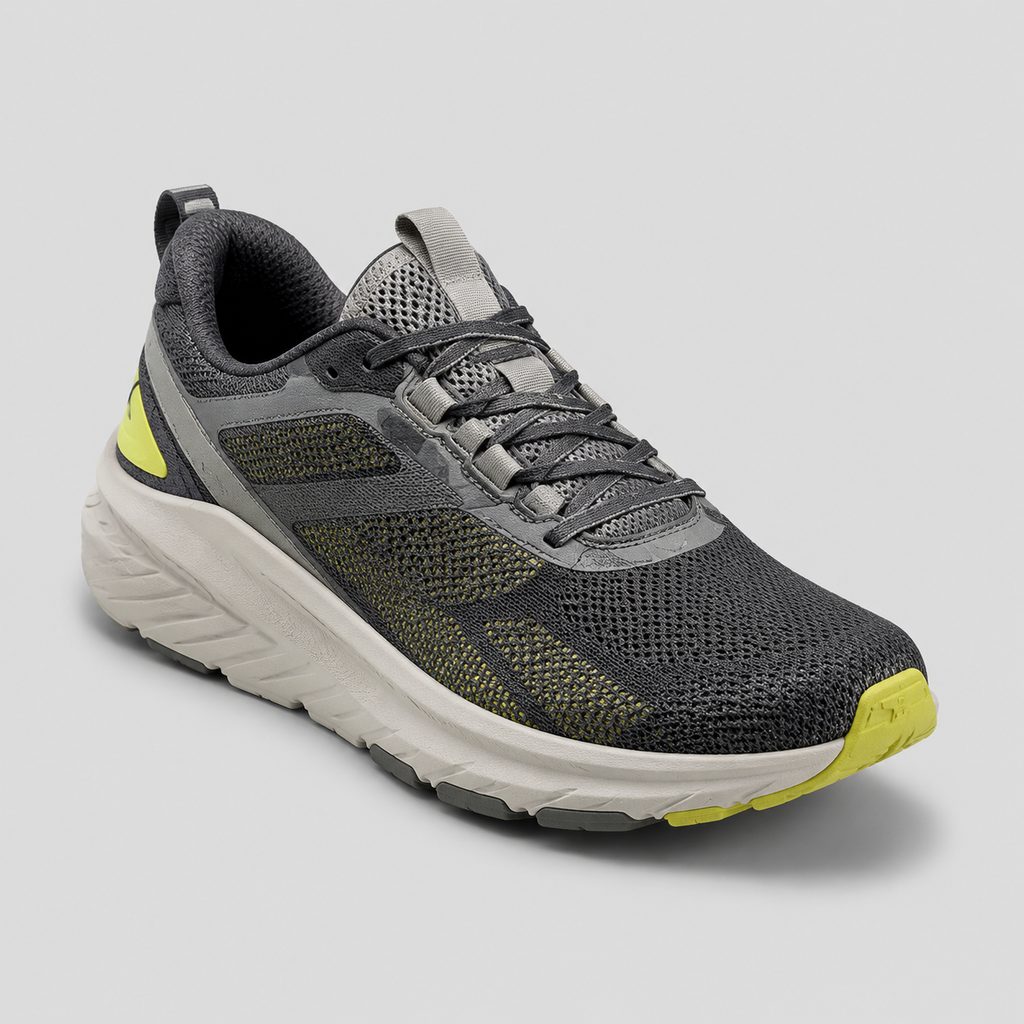
A custom sneaker manufacturer quote request may describe a product before every decision is closed. The buyer can submit the current definition while showing which details are settled, which choices remain with the buyer, and which points are questions for the manufacturer. This is a method for writing an inquiry, not a description of a required quote process at Custom Shoe Factory.
Treat the request as a record of the product's current state. A design reference image, a tentative material note, and a confirmed construction instruction should not carry the same status. Labeling their roles prevents an internal option from being presented as a manufacturing requirement and avoids assuming quotation, development, sampling, or commercial terms that have not been discussed.
Name the Product Family Before the Design Details
Custom Shoe Factory describes its sport-footwear specialization as running, training, walking, and casual sneakers. That is a published product-family scope, not a determination that every concept within one of those categories is suitable for a particular program.
Begin the request with one primary category before listing colors, brand references, or styling cues. If the concept could be described in more than one way, name the category that currently governs the inquiry and place the alternative classification among the buyer's open decisions. This gives the product definition a stated boundary without pretending that internal positioning work is complete.
Use the Documents That Actually Exist
On its OEM and ODM page, Custom Shoe Factory says it manufactures to the buyer's tech pack and design. For an OEM sneaker quote request, that published boundary is a reason to identify the current materials of record rather than rely on an unmarked visual reference alone.
Provide what is available and identify what is not. The following items are possible ways to make the present definition legible; they are not a mandatory document set.
- Identify the current tech pack version when one is available.
- Provide the design reference or references that show the intended form.
- Mark which image, drawing, or file should be treated as the current reference when versions differ.
- Separate confirmed construction or material directions from inspiration images and color-direction references.
- List fields that are missing, provisional, or still subject to an internal buyer decision.
Keep Reorder Information Separate
The same OEM page says that Custom Shoe Factory holds the buyer's bill of materials and tooling across reorders. Where a request relates to a previously defined item, identify that relationship on its own line. The published statement is limited to holding the bill of materials and tooling across reorders; it does not establish ownership, price continuity, design rights, or other commercial conditions.
Mark the Decision State, Not Only the Design
After identifying the category and the current reference materials, apply one of the following labels to each meaningful input. The labels make the buyer's current intent visible without converting unresolved matters into commitments.
Status labels for the current request
| Status | What it means | How the buyer can write it |
|---|---|---|
| Confirmed for this request | A detail the buyer wants read as part of the current product definition. | State the requirement plainly and point to the relevant drawing, specification, or reference. |
| Open buyer choice | A decision the buyer has not made but should disclose. | Name the alternatives or the missing choice and mark it as open. |
| Question for the manufacturer | An inquiry about information or an option that may be relevant to the project. | Ask a bounded question without implying that a process, price, or service has already been agreed. |
Do not hide uncertainty inside vague wording. A preference can be listed as a preference, and an unresolved alternative can be listed as unresolved. The manufacturer-question field is different from both. It should ask what may apply to the current definition, while leaving the buyer's unmade decision visibly unmade.
Use Running-Shoe Terms Only at Their Published Scope
For a request framed as running-shoe work, the published running-shoe range describes performance-inspired daily-training builds with breathable uppers and cushioned midsoles. The same range names mesh, knit, and PU for uppers. It also lists EVA and rubber outsoles.
These are product-range descriptions, not a default construction for an individual request. Use a term such as breathable upper or cushioned midsole only when it reflects the buyer's current direction, or mark it as an open objective. Likewise, name mesh, knit, PU, EVA, or rubber only when the term appears in the buyer's own current definition. Their appearance in the published range does not select a material, approve a construction, or establish a performance result for a project.
Put Manufacturability and Development Questions in Their Own Block
Custom Shoe Factory says that it flags manufacturability issues during DFM. This supports asking whether a clearly identified open point raises a manufacturability issue during DFM. It does not show that a request has passed DFM, that a redesign will be supplied, or that every inquiry follows a defined review sequence.
For each point that needs input, use a short three-part entry:
- State the buyer's confirmed requirement, such as the current visual detail, component interface, or material direction.
- Identify the element that remains open and is still owned by the buyer.
- Ask whether the open point raises a manufacturability issue during DFM and what additional information may be relevant before the buyer settles it.
The case-studies page presents a Running Shoe Launch for a New Brand as an example project format described from a reference pair to inspected first production. For a custom athletic shoe quotation, a buyer may ask which development or sampling information may apply to the current definition. The reference-pair-to-inspected-first-production description should remain identified as an example format, not treated as a standard path, timing commitment, inspection promise, or expected result.
Submit the Request in Reading Order
A short athletic footwear sourcing inquiry can still carry the necessary distinctions when it follows the order in which the buyer wants the current product definition read.
- Open with the primary athletic footwear category and the current design reference.
- Identify the tech pack, drawings, images, and revision notes that the buyer can provide.
- List only the construction, material, and design choices confirmed for the request.
- Set out open buyer decisions separately, including alternatives that remain under review.
- Ask which development, manufacturability, sampling, and quotation information or options may apply to the defined project.
Use the quote-request page to share the current product definition and its open items. The final question can ask the manufacturer to identify information that may be relevant, while keeping unconfirmed development and commercial terms uncommitted.
Sources and verification
- OEM / ODM Shoe Development | Custom Footwear Manufacturing First-party site source
- About Custom Shoe Factory | OEM/ODM Athletic Shoes First-party site source
- Footwear Manufacturing Case Studies | Example Project Formats First-party site source
- Athletic Shoe Manufacturer | Custom Product Range First-party site source
Share the current product definition and ask which development, manufacturability, sampling or quotation options may apply to the project.
Send your project brief