Procurement
Freeze Gate: Custom Shoe Manufacturer First Production Readiness
First production readiness is a freeze gate after sample intent. Lock construction, BOM, tooling custody, and DFM decisions so OEM manufacture-to-tech-pack has a stable object, without treating sample approval as the production master.
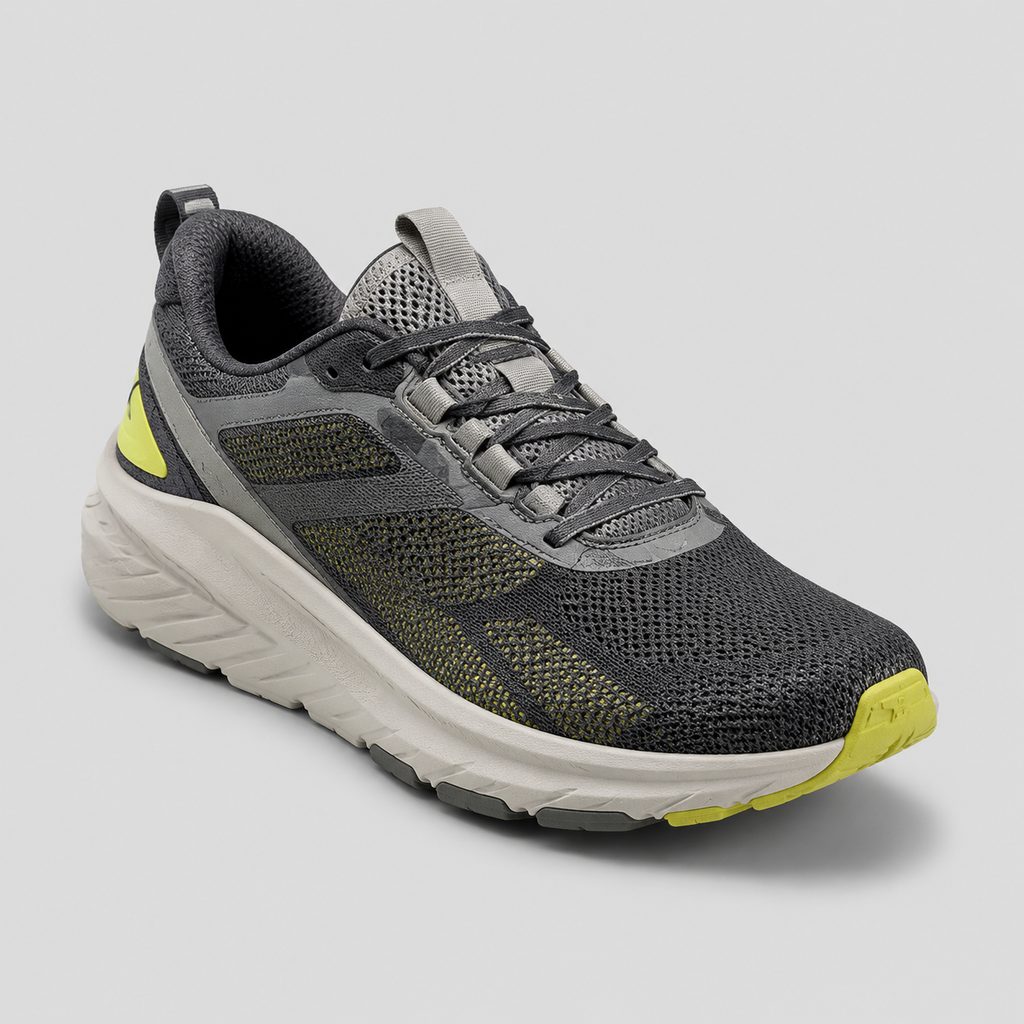
Custom shoe manufacturer first production readiness begins when sample intent stops being enough. Sample work can still leave construction and material questions open. A first-production package cannot. Until construction, bill of materials, tooling records, and manufacturability tickets are frozen or carried as labeled open items, “production ready” is only a slogan. OEM build to spec first production has a reviewable object only after that freeze.
This brief treats readiness as a buyer-owned gate between approved sample intent and manufacturing to a named tech pack. Scope stays inside published OEM, product-range, family, and example-stage language. It is not sampling advice, reorder-program management, or a claim that open commercial questions are already factory services.
Sample approval versus a first-production freeze
Sample sign-off answers a development question: does this pair express the intended look, fit direction, and construction story well enough to proceed? First production answers a different one: is there a stable package the factory can manufacture against?
Published OEM scope is narrow and concrete. The factory manufactures to the buyer’s tech pack and design. Manufacturability issues are flagged during DFM. Bill of materials and tooling are held across reorders. Those responsibilities attach only after the buyer freezes the objects they describe. If upper construction, midsole and outsole choices, material callouts, or tooling status still float after sample approval, the sample is not the production master by inference.
Force an explicit stage label: “sample intent accepted” versus “first-production package frozen.” Crossing the second gate without the freeze is how rework, substitution arguments, and late construction debates enter the first bulk lot.
Which construction fields belong in the freeze?
OEM manufacture-to-tech-pack needs a reviewable construction object, not a mood board. For athletic programs inside the published product range, running-shoe construction language centers on performance-inspired daily-training builds with breathable uppers and cushioned midsoles. Mesh, knit, or PU uppers and EVA and rubber outsoles appear as construction options. Those labels are option language, not performance guarantees or test methods.
Before any first-production inquiry, freeze at least the following fields in writing on the buyer side.
- Upper construction path: mesh, knit, or PU (or a stated hybrid), with which panels use which material.
- Midsole direction: cushioned midsole intent expressed in the tech pack, not left as “same as sample feel.”
- Outsole stack: where EVA and rubber appear, plus hardness or compound notes if the pack requires them.
- Last, size run, and critical measurements already settled at sample approval.
- Colorways, logos, and branding placements that will not reopen during first production.
Anything still under debate should be labeled open, not silently assumed. A frozen construction sheet is the object DFM and BOM custody can attach to.
Athletic shoe BOM freeze and tooling custody
Published OEM responsibility includes holding the buyer’s bill of materials and tooling across reorders. That is a reorder-custody statement, not broader ownership, IP assignment, or a promise that incomplete records will be reconstructed later. An athletic shoe BOM freeze at first production is what makes that custody useful later.
| Record | What to freeze at first production | Why it matters under published OEM scope |
|---|---|---|
| Bill of materials | Material codes, suppliers or approved alternates, constructions, trims, and adhesive notes as the pack requires | OEM holds BOM across reorders; a fluid BOM at first production weakens later continuity |
| Tooling | The tooling set that production will use, with version status (existing, revised, or still open) | Tooling hold across reorders assumes a known set, not an open shopping list |
| Tech pack / design | Revision number that production will build to | OEM manufactures to the buyer’s tech pack and design; multiple living revisions break that link |
Editorial recommendation for the buyer: treat lasts, molds, dies, and fixtures as checklist examples you may need to name on your side so version status is unambiguous. The published OEM statement only says “tooling,” not those subtypes. If a tooling revision is still possible, mark it open and decide whether first production waits or proceeds against a named interim set. Do not plan to “clean up paperwork after the first bulk lot.”
DFM flags: decision tickets, not green lights
OEM language states that manufacturability issues are flagged during DFM. A flag is a decision ticket, not permission to start. Upper bonding, outsole moldability, stitch density, or material substitution may be called out as problematic; that only helps if the buyer closes the ticket, accepts a documented change, or carries residual risk in writing.
- List every open DFM flag against the frozen construction and BOM revision.
- For each flag, choose one disposition: closed with change, closed without change, or open with named owner and impact.
- Refuse vague dispositions such as “factory will manage” when the underlying construction choice is still buyer-owned.
- Attach the disposition list to the same package you will ask the factory to manufacture to.
A quiet DFM pass, or the absence of new emails, is not a closed ticket. Silence is not production approval.
Product-family fit at the freeze gate
About-page positioning describes sport-footwear specialists in one product family done consistently: running, training, walking, and casual sneakers, not a catch-all factory. Product-range language for running shoes further describes performance-inspired daily-training builds with breathable uppers and cushioned midsoles, mesh/knit/PU uppers, and EVA and rubber outsoles.
At freeze time, reconfirm that the package still sits inside that family set.
- Running: daily-training construction language above, if that is the actual program.
- Training, walking, or casual sneakers: same freeze discipline, different end-use framing, still within the published family list.
- Outside that list: treat the request as a category boundary question before first production, not as a silent expansion of OEM scope.
Family fit is a freeze-time reconfirm, not the whole sourcing strategy. It stops first production from becoming a catch-all manufacturing request after sampling wandered.
Running-shoe stage map, not a default route
A published case-study example describes how a first running-shoe order is structured from reference pair to inspected first production. That path is a stage map and question order only. It is not a default volume, timeline, customer proof, or guaranteed route for every brand. Running shoe first production inspection wording belongs to that example map; it is not part of the OEM manufacturing statement on the services page.
Useful ordering implied by the map:
- Reference pair and development intent first.
- Construction and pack lock next.
- First production treated as a manufacturing event after the lock, not as another informal sample loop.
If the program is training, walking, or casual sneakers rather than running, keep the same stage discipline and swap only the family-specific construction fields. Do not import unstated commercial terms from a case-study heading.
How should the freeze package be submitted?
When you are ready to discuss first production, send a package that separates frozen definition from unresolved fields. The factory sees what manufacture-to-tech-pack means; buyers avoid converting open questions into implied services.
Include, at minimum:
- Frozen tech-pack revision and construction sheet (upper, midsole, outsole, last, size run, branding).
- BOM revision you want held for reorders, with alternates named if any are pre-approved.
- Tooling list and version status.
- DFM ticket dispositions (closed or open with impact).
- Product-family statement: running, training, walking, or casual sneakers.
- Open items list: every field not frozen, written as a question rather than assumed factory work.
You may ask which sampling, MOQ, packing, or quotation information applies to the project. That invitation is buyer diligence. It is not, by itself, a published service promise beyond the OEM responsibilities already stated: manufacture to tech pack and design, DFM flags, and BOM and tooling hold across reorders. For submission routing, use the site request-a-quote path and keep open items labeled so the conversation starts from the freeze package rather than from sample nostalgia.
One hypothetical illustration: a buyer freezes mesh upper panels, an EVA midsole callout, and a rubber outsole path, closes three DFM tickets, and leaves only lace-eyelet metal finish as open. First-production discussion then targets that single open field instead of reopening the whole shoe. The illustration is hypothetical, not a customer case.
Where these responsibilities are published
Check claims against the first-party pages before treating any freeze package as complete. OEM manufacture to tech pack and design, DFM flagging, and BOM/tooling hold across reorders are described on the OEM / ODM services page. The reference-pair-to-inspected-first-production stage map is an example format on case studies. Construction option language for running shoes is on the products range page. Family scope—running, training, walking, casual sneakers; not catch-all—is on about. Keep open commercial questions separate from those published manufacturing responsibilities.
Sources and verification
- OEM / ODM Shoe Development | Custom Footwear Manufacturing First-party site source
- Footwear Manufacturing Case Studies | Example Project Formats First-party site source
- Athletic Shoe Manufacturer | Custom Product Range First-party site source
- About Custom Shoe Factory | OEM/ODM Athletic Shoes First-party site source
Share the current product definition and ask which development, manufacturability, sampling or quotation options may apply to the project.
Send your project brief