Product Development
A Buyer Record for custom casual sneaker sample review
A buyer-owned comparison record can keep reference observations, retained intent, and unanswered project questions from being treated as the same thing.
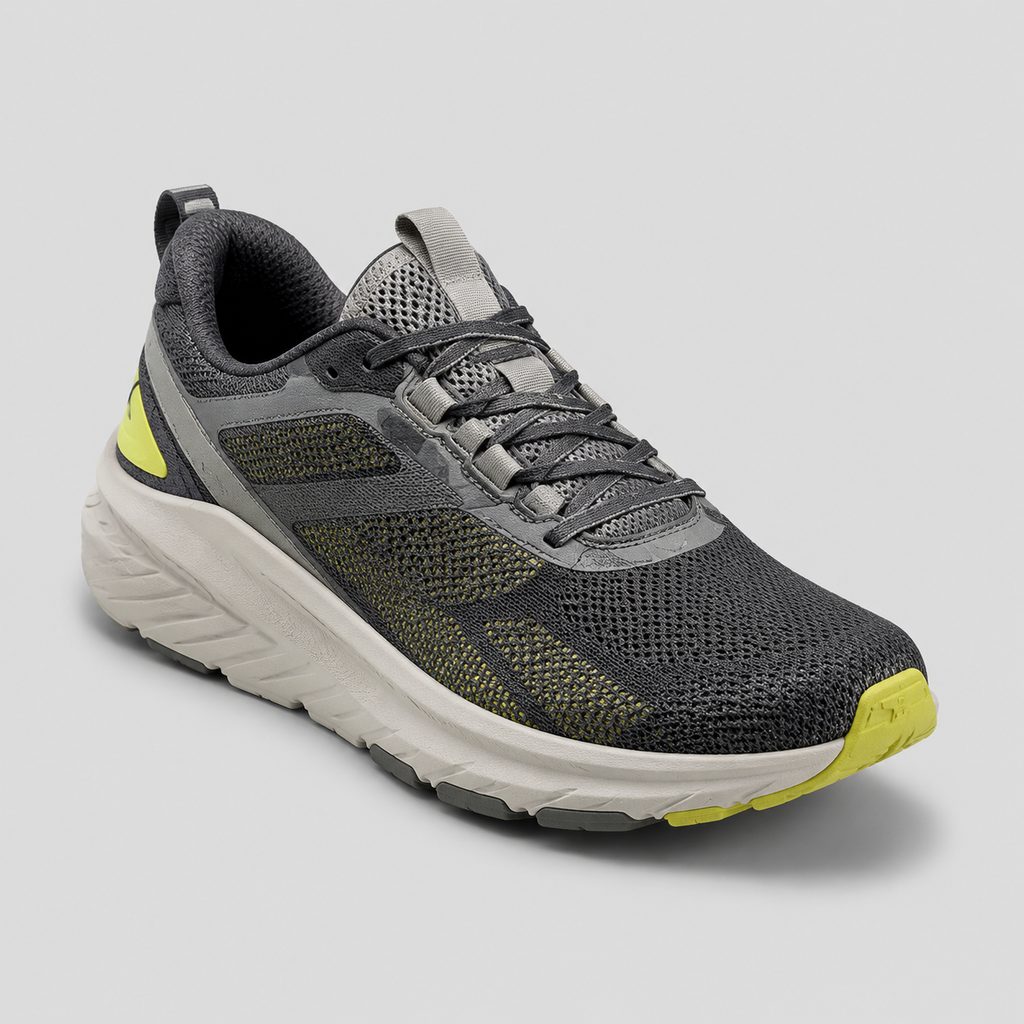
A useful custom casual sneaker sample review begins before anyone treats a reference as a defined product. A photo set, sketch, physical pair, or image board can show a direction the buyer wants to discuss. It does not, on its own, document the construction, fit, commercial terms, or project status behind that direction. The immediate decision is whether the material is organized well enough to support a meaningful comparison.
The editorial recommendation in this article is to create a buyer-owned record before asking about development or sampling. It separates what the buyer wants to retain from what needs manufacturer review and from what remains unanswered. That distinction prevents a visual preference from being mistaken for an approved technical requirement, while giving the recipient a clear view of the current project definition.
Label Each Point Before the Detail Blurs
Use three statuses for every note in the record. These are buyer-side working labels, not a published Custom Shoe Factory workflow, approval route, or sampling sequence.
- Retained intent
Use this label for a visual relationship, intended casual-use position, or branding location the buyer wants to preserve in the discussion. State it as a buyer priority, not as proof that the reference defines a material or construction.
- Manufacturer-review point
Use this label where the reference shows something the buyer wants assessed before it is treated as defined. A visible feature may need more information, or the intended use may raise a question that the supplied material cannot answer.
- Open inquiry
Use this label for matters that are still unknown. Development, manufacturability, sampling, quality-control, and quotation topics belong here when the buyer needs to ask what may apply to the current project.
Keeping the labels separate changes the quality of the conversation. A retained design direction can remain visible without becoming an assumed construction. A review point can be discussed without being presented as settled. An open question can remain open until project-specific information is available.
Create the Comparison Record
The following fields are editorial recommendations for the buyer. They are intended to make a casual sneaker sample review checklist more precise without representing the fields as factory requirements or services.
| Record field | What the buyer records | Suggested status |
|---|---|---|
| Reference material | Identify the image set, sketch, physical pair, or other source material, including its version or date. | Record source |
| Intended role | State the buyer's current casual-use position and the commercial context being considered. | Retained intent |
| Visible priorities | Note the silhouette, panel relationships, collar treatment, closure appearance, color blocking, or branding placement that matters to the buyer. | Retained intent |
| Review observations | Write down what a reviewer noticed about the reference and the conditions in which it was noticed. | Manufacturer-review point |
| Undefined details | List details the reference does not settle, including questions raised by intended use or visible design. | Open inquiry |
| Record owner | Name the person maintaining the current version and date the revision. | Record control |
The record should describe what the buyer can actually point to. For example, a note to retain the visible relationship between the collar and quarter panels captures an intended visual result. It does not assign a material, thickness, sole construction, or sizing outcome that the reference has not established. Put those unconfirmed details into the review or inquiry column unless the buyer has separately defined them.
Read the Published Product Scope Literally
The cited product information and About-page material provide useful context, but they do not replace the buyer's record. The About page describes running, training, walking, and casual sneakers as one stated product family. That places casual sneakers within the published focus. The supplied wording does not publish a construction package for a casual sneaker, so the category should be treated as context for discussion rather than as evidence for a particular upper, sole, fit, or finish.
This boundary matters when a reference appears sporty or borrows familiar athletic-shoe cues. A buyer may retain the visible direction in the record, then ask which details need project-specific review. The category label itself should not fill in the missing technical definition.
Do Not Import Running-Shoe Details Into the Record
The published running-shoe description is deliberately more specific. It calls the running shoes performance-inspired daily-training builds with breathable uppers and cushioned midsoles. The same description names mesh, knit, and PU for running-shoe uppers. It separately names EVA and rubber for running-shoe outsoles.
Those statements are limited to the running-shoe description. They are not evidence that a casual sneaker project will use any of those materials or characteristics. In a custom casual sneaker sample development discussion, a buyer can instead identify the visible feature that prompted the question and leave the technical choice open for project-specific assessment. That preserves the reference's intent without turning product-range detail into an undocumented casual-sneaker specification.
Keep Reference-Pair and Golden-Sample Evidence Apart
The case-studies listing uses a reference pair in a narrow example. It describes a first running-shoe order as structured from a reference pair to inspected first production. This establishes the stated endpoints of that running-shoe example. It does not describe a casual-sneaker sample sequence, and it does not give every buyer reference pair the same role.
The importers and wholesalers page makes a different statement about sizing control. It says size grading is locked to a golden sample and verified by measured length and width at final inspection. That language belongs to the cited importer-page context. It does not identify a casual sneaker reference as a golden sample, and the supplied excerpt does not state that the arrangement applies to a casual sneaker project.
For the buyer's record, use the terms as they are currently supported. Label supplied material as a reference unless its role has been established for the current project. When sizing, grading, or length-and-width measurement matters, list it as an open inquiry rather than renaming the reference or assuming a production-control arrangement.
Turn Unknowns Into a Bounded Inquiry
Once the record is complete enough to distinguish intent from uncertainty, attach the reference material and ask for a response tied to the present definition. A casual shoe reference sample inquiry can include the following questions.
- Which retained visual priorities need more information before they can be meaningfully compared?
- Based on the supplied reference and intended casual-use position, which development and manufacturability options may apply?
- What information should the buyer provide before discussing sampling options for this project?
- Which aspects of the current definition need clarification before a quotation discussion can be specific?
- What quality-control information, if any, is relevant to the project as currently described?
- Should sizing, grading, or length-and-width questions be addressed for this definition, and what source material would be needed to discuss them?
These questions request project-specific applicability. They do not presume a price, schedule, sample route, production sequence, or inspection result. They also make it easier to revise the record after a response while retaining a clear account of what the buyer originally supplied and what remains unresolved.
Send the Current Definition, Not an Assumption
The buyer does not need to resolve every unknown before making contact. The reference, the retained priorities, and the open questions simply need to be distinct enough that the discussion concerns the actual project rather than inferred details. Submit that material through the quote request path and ask which development, manufacturability, sampling, and quotation options may apply to the current definition.
Sources and verification
- About Custom Shoe Factory | OEM/ODM Athletic Shoes First-party site source
- Athletic Shoe Manufacturer | Custom Product Range First-party site source
- Footwear Manufacturing Case Studies | Example Project Formats First-party site source
- Wholesale Shoes & Bulk Footwear Supply | Importers First-party site source
Share the current product definition and ask which development, manufacturability, sampling or quotation options may apply to the project.
Send your project brief