Product Development
Custom Casual Shoes Size Grading Before Bulk
A look-approved casual sample is not a size system. Name a golden sample, state grading intent on the buyer brief, and keep length and width as inspection fields.
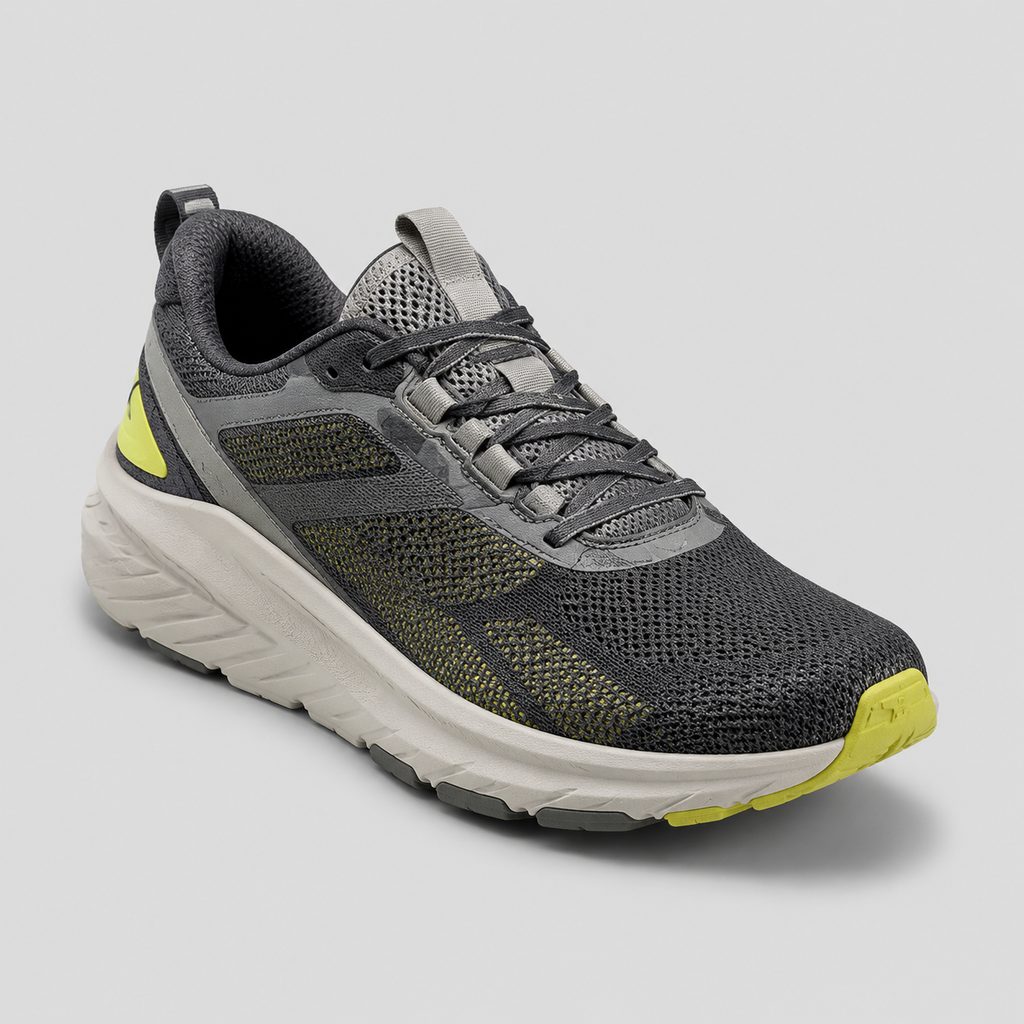
On the importers and wholesalers page, sizing is stated as size grading locked to the golden sample and verified by measured length and width at final inspection, container after container. For a custom casual program, that line is a pre-quote decision map: what must be named, what can stay open, and what stays outside the published claim. The sections below convert that map into buyer fields. Guidance that goes beyond the excerpts is buyer-side planning only.
Look approval without a size-control owner
Teams often close silhouette, color, and branding on a custom casual sneaker while size control stays unwritten. The sample then travels as a style reference, and the graded run remains open. That is the practical gap behind custom casual shoes size grading: appearance work finishes first, and the size system never gets a named owner on the brief.
Look approval usually settles what people can see on a sample: shape, surface, logo placement, and often a try-on impression on one or two sizes. It does not name a golden sample for grading or put length and width on a final-inspection row. Keep size as a separate workstream from design and materials. If the graded range, the size reference, and the measurement discussion are still blank, record that status. An unnamed reference and an unspecified measurement conversation leave the team without a shared basis for a later size question.
What golden-sample grading decides on the brief
The importer-page line states size grading locked to the golden sample. It does not publish how buyers should file sample IDs, who must approve, which sizes are in scope, or when a lock is complete. Those points belong to internal planning.
Settle these questions on your brief so the team shares one size story before wholesale talk:
- Which approved reference pair does the team propose as the golden sample?
- Is size grading intended to lock to that golden sample for the sizes under discussion?
- Which sizes are still open rather than implied?
- Which length and width questions should the team raise for final inspection?
A short custom casual shoes golden sample note can list a sample ID or description, sizes under discussion, and what remains open. That format is a buyer template, not a factory-documented form. Do not treat an approved size run as a substitute for the golden sample unless your project has defined that separately; the published statement refers to the golden sample alone.
Length and width as a final-inspection row
The same importer-facing statement pairs golden-sample grading with measured length and width at final inspection. On the brief, keep dimensional verification apart from design, branding, and materials so size consistency stays visible as its own checkpoint.
| Checkpoint | Supported factory statement | Buyer brief decision |
|---|---|---|
| Golden-sample size grading | Size grading locked to the golden sample. | Name the proposed golden sample and the sizes under discussion. |
| Length and width at final inspection | Verified by measured length and width at final inspection, container after container. | Mark measured length and width as intended inspection fields; leave tools, rates, and accept rules open unless the project defines them. |
| Other product tracks | Not covered by the sizing excerpt. | List upper look, branding, materials, and packaging on separate lines so they do not stand in for size control. |
For casual sneaker wholesale sizing, putting length and width on the inspection list early is a buyer habit: an empty measurement row is clearer than assuming quality control will absorb fit. The factory excerpt does not specify tools, sampling rates, or pass rules, so do not invent them.
Stay inside the published sport-footwear family
Before refining size language further, confirm the product type matches where the factory describes its focus. The about page presents Custom Shoe Factory as sport-footwear specialists with one product family: running, training, walking, and casual sneakers, not a catch-all factory.
For a custom casual sneaker program, the useful check is simple: is the intended product a casual sneaker inside that list? If the brief drifts into footwear types outside that family, the published scope no longer covers it, whatever marketing label the brand prefers. Use the four types as written; do not invent extra category tests.
Running-shoe product language is not a casual materials brief
Size control does not replace a materials brief, and running-card language should not fill a casual blank. On the products page, running shoes are presented as performance-inspired daily-training builds with breathable uppers and cushioned midsoles. That page also lists mesh, knit, or PU uppers; EVA and rubber outsoles; and retail, ecommerce, or private-label context for running shoes.
Those descriptors stay at running-product scope. They are not a default materials list for casual sneakers. Keep two tracks on the brief:
- Size track: proposed golden sample, grading intent, length and width inspection questions.
- Product track: casual sneaker category confirmation, plus materials or construction only when the buyer has selected them.
Athletic casual shoe size consistency depends on the size track being explicit. If the team also wants upper or outsole direction, write that direction separately instead of borrowing running-card wording.
What the running-shoe launch example can contribute
The case-studies page includes a running-shoe launch example for a new brand: how a first running-shoe order is structured from reference pair to inspected first production. That is a published example format for a running-shoe order. It is not a casual wholesale result, fixed commercial terms, or proof that a casual program already has a size-locked path.
If the example helps you think about a path from a reference pair toward inspected first production, use it only as structure. For a casual program, add golden-sample and measurement fields yourself; the case study does not supply them.
Size-control fields versus open inquiry questions
Not every unknown needs to be closed before contact. A clear package shows what is fixed, what is open, and what the buyer still owns. Organize that package before using the request-a-quote page. The list below is a buyer briefing checklist, not a documented factory workflow.
- Product type
- Custom casual sneaker, stated inside the published family of running, training, walking, and casual sneakers when that is the intended scope.
- Golden-sample role
- Which pair the team proposes as the size reference, and which sizes are under discussion.
- Grading intent
- Whether size grading is intended to lock to that golden sample for those sizes, with open sizes marked open.
- Final-inspection measurement
- Whether measured length and width at final inspection are part of the definition the team wants to discuss for container-to-container consistency.
- Separate non-size items
- Materials, branding, and packaging on their own lines.
Share the current product definition (what is fixed and what still needs discussion) and ask which development, manufacturability, sampling, or quotation options may apply to the project. Those topics stay as inquiry questions, not as guaranteed factory services. The conversation then rests on the size-control record the team has actually written, not on assumptions drawn beyond the published sizing statement.
Sources and verification
- Wholesale Shoes & Bulk Footwear Supply | Importers First-party site source
- About Custom Shoe Factory | OEM/ODM Athletic Shoes First-party site source
- Athletic Shoe Manufacturer | Custom Product Range First-party site source
- Footwear Manufacturing Case Studies | Example Project Formats First-party site source
Share the current product definition and ask which development, manufacturability, sampling or quotation options may apply to the project.
Send your project brief