Sourcing Guides
Custom Casual Shoes Production Handoff Guide
A buyer-side handoff record for preparing a casual sneaker inquiry while keeping published supplier evidence separate from unresolved project questions.
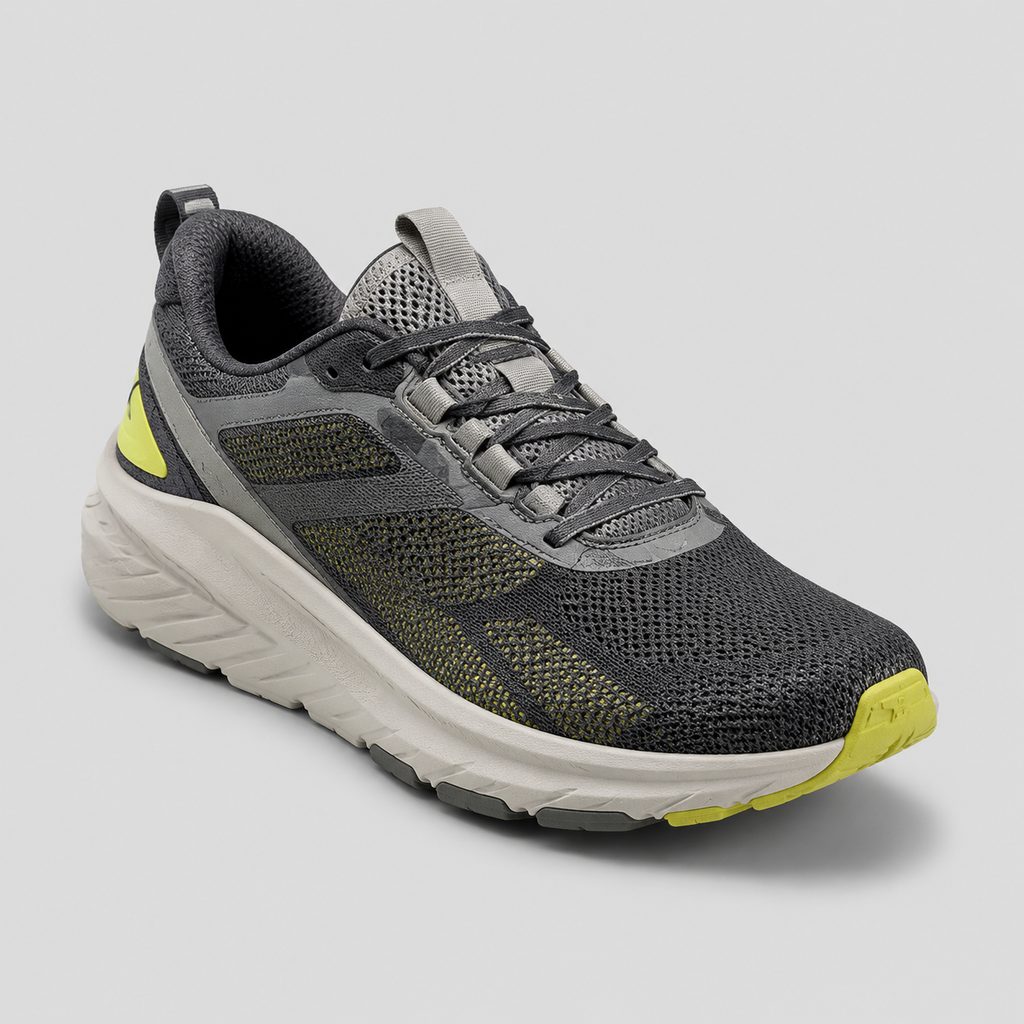
A custom casual shoes production handoff is a buyer-owned record for turning a casual sneaker idea into questions a supplier can answer. It should not assume that Custom Shoe Factory has already accepted the construction, material route, sampling path, branding approach, packing plan, or quotation basis for the project. Its job is narrower: organize what is known, label what is buyer preference, and keep unanswered topics visible.
The useful starting point is the published product boundary. Custom Shoe Factory's about page describes the company as focused on one sport-footwear family: running, training, walking, and casual sneakers, not a catch-all factory. That supports a casual-sneaker inquiry inside the stated family. It does not turn every footwear idea into a fit, and it does not document a full custom casual-shoe launch path.
Build The Handoff Around Questions
A loose casual sneaker brief often mixes inspiration, construction wishes, channel goals, and quote requests in one message. That makes the first supplier response harder because the buyer has not separated facts from preferences. A better handoff gives each topic its own place.
The procurement recommendation is to divide the record into three kinds of entries:
- Published supplier facts that come directly from the cited pages.
- Buyer-side project definitions, such as the intended product family, use, reference-pair role, and visual goals.
- Open questions for Custom Shoe Factory to answer if the project is relevant to its scope.
This format helps a custom casual sneaker supplier handoff stay practical. It also reduces the risk of treating a running-shoe component phrase, a case-study format, or an importer quality-control statement as proof that the same item applies automatically to a new casual sneaker project.
Confirm The Product Family First
Start with the category line before discussing price, branding, packaging, or sampling. The supported label is casual sneaker. Custom Shoe Factory's about page says its sport-footwear focus covers running, training, walking, and casual sneakers. The same excerpt says it is not a catch-all factory.
That evidence gives the buyer a clear first question: does this proposed casual sneaker sit inside the published running, training, walking, and casual-sneaker scope? The handoff should not broaden that scope into dress shoes, boots, sandals, formal shoes, or general footwear manufacturing.
- Use casual sneaker as the product-family label.
- Describe visible style elements that may affect how the supplier reads the category.
- Ask whether the concept fits the published sport-footwear family.
- Leave quotation, sampling, packing, and material decisions for later fields.
If the concept contains unusual fashion details or a non-sport profile, the buyer should name those details plainly. The point is not to decide the supplier's answer in advance. The point is to give the supplier a clearer project definition to respond to.
Limit The Reference Pair
The case-study page is useful for format, not for proving a casual-shoe case. It publishes a running-shoe launch example for a new brand and describes a first running-shoe order structured from reference pair to inspected first production. That is the documented context.
A reference pair can still help the inquiry if its job is narrow. The buyer can state that a reference is being used for silhouette, outsole stance, collar height, upper texture direction, or another visible cue. A broad instruction such as copying the whole shoe creates confusion and may raise originality concerns.
For a private label casual shoes production inquiry, the handoff should also say what the reference pair is not meant to decide. It should not be treated as proof that the same materials, tooling, branding positions, packaging, or production path are available for the buyer's project. Those remain questions for supplier response.
Separate Running-Shoe Language From Casual-Sneaker Questions
The products page gives concrete component language, but the documented entry is for running shoes. Buyers can use that vocabulary to ask clearer questions about a casual sneaker project, as long as the handoff does not present those terms as confirmed options for the new item.
| Handoff field | Published context | How to write the buyer question |
|---|---|---|
| Upper direction | The running-shoe entry states breathable uppers. | Describe the desired upper feel, then ask what upper direction may be relevant to the proposed casual sneaker. |
| Upper material terms | The running-shoe entry lists mesh, knit, and PU uppers. | Ask whether any of those upper terms apply to this project or whether another direction should be considered. |
| Midsole direction | The running-shoe entry states cushioned midsoles. | Describe the buyer-side comfort target, then ask what midsole approach can be discussed for the concept. |
| Outsole direction | The running-shoe entry lists EVA and rubber outsoles. | Ask whether EVA, rubber, or another outsole route is relevant to the casual sneaker concept. |
This table keeps the source scope intact. The buyer is not claiming that running-shoe materials transfer to a casual sneaker. The buyer is using known page language to make the first inquiry more specific.
Keep Channel Intent In Its Own Field
The running-shoe entry also uses retail, ecommerce, and private label wording. In the handoff, those terms belong in a channel field, not inside the construction notes.
Channel intent can matter to the buyer, but the cited running-shoe phrase does not document a specific casual-shoe packaging program, logo method, MOQ, compliance process, or launch service. Write the selling context plainly, then ask what information the supplier needs before it can respond.
- Construction field
- Use this for visible shoe details: upper direction, outsole profile, reference roles, and buyer-side fit expectations.
- Channel field
- Use this for retail, ecommerce, private label, or another intended selling context.
- Question field
- Use this for branding, packing, quotation, or channel-specific topics that need a supplier answer.
Write The Buyer-Owned Record
The handoff does not need to be long. It needs to be organized. Each field should tell the supplier whether the item is a buyer decision, a preference, a reference point, or an open question.
- Product family: State that the proposed item is a casual sneaker and ask whether it fits the published sport-footwear family.
- Intended use: Describe the buyer's own positioning, such as everyday casual wear or walking-oriented use. Keep this as buyer intent, not a verified performance claim.
- Reference-pair role: Identify what each reference should show, such as silhouette, outsole stance, collar shape, or upper look.
- Visible construction goals: Record the buyer's preferred upper, midsole, and outsole direction in plain language.
- Material questions: If using running-shoe terms such as mesh, knit, PU, EVA, or rubber, ask whether they apply to the proposed casual sneaker.
- Channel context: Note retail, ecommerce, private label, or another buyer channel separately from construction.
- Branding needs: List any buyer branding requirements as questions unless the supplier has confirmed the method.
- Unknowns: Mark unresolved construction, sampling, packing, quotation, and manufacturability topics for supplier response.
This structure lets the buyer share a useful casual sneaker OEM project brief without turning inquiry topics into documented company promises.
Place Size Control Later
Size-control language should come after the concept fields. The cited evidence comes from the importers and wholesalers page, not from a custom casual-shoe case study. That page states: size grading is locked to the golden sample and verified by measured length/width at final inspection, container after container.
For a new casual sneaker inquiry, treat that as a later question if the project advances. It should not be presented as an automatic rule for the new project, a full quality-control guarantee, or proof that every defect type is inspected. A careful handoff can ask how the proposed casual sneaker would relate to the published golden-sample size-grading and final-inspection length/width wording if the supplier takes the discussion further.
If the buyer already has a market fit expectation or size range in mind, it can be recorded as buyer-side information. The supplier question should stay narrow: what size-control information would be needed, and how would the published length/width verification language apply, if applicable?
Use One Hypothetical Inquiry
A compact hypothetical inquiry could read:
We are preparing a casual sneaker concept and want to ask whether it fits your published sport-footwear family of running, training, walking, and casual sneakers. The attached reference pair is for silhouette and outsole stance only. We have buyer-side questions about upper direction, outsole direction, branding information, sample expectations, packing questions, size-control expectations, and quote inputs. Please let us know what information you need before you can respond to this project.
The sentence is intentionally open. It asks about product-family fit, limits the reference pair, and leaves material, sampling, packing, branding, size-control, and quotation topics for supplier response.
Send The Definition, Then Ask What May Apply
Before contacting the supplier, review the handoff for overreach. The about page supports the sport-footwear family. The products page supplies running-shoe component and channel language. The case-study page provides a running-shoe launch example format. The importers and wholesalers page provides size-grading and final-inspection length/width wording in that page context.
When the record is ready, share the current product definition through the request a quote page. Ask which development, manufacturability, sampling, or quotation options may apply to the project. Buyers can also review Custom Shoe Factory's published scope on the about page, running-shoe product language on the products page, the running-shoe example format on the case studies page, and the importer wording on the importers and wholesalers page.
Sources and verification
- About Custom Shoe Factory | OEM/ODM Athletic Shoes First-party site source
- Athletic Shoe Manufacturer | Custom Product Range First-party site source
- Footwear Manufacturing Case Studies | Example Project Formats First-party site source
- Wholesale Shoes & Bulk Footwear Supply | Importers First-party site source
Share the current product definition and ask which development, manufacturability, sampling or quotation options may apply to the project.
Send your project brief