Product Development
Custom Athletic Shoes Sampling Brief
Turn a running or training footwear concept into a bounded sample inquiry by documenting known product inputs and leaving unresolved material, branding and grading items as manufacturer questions.
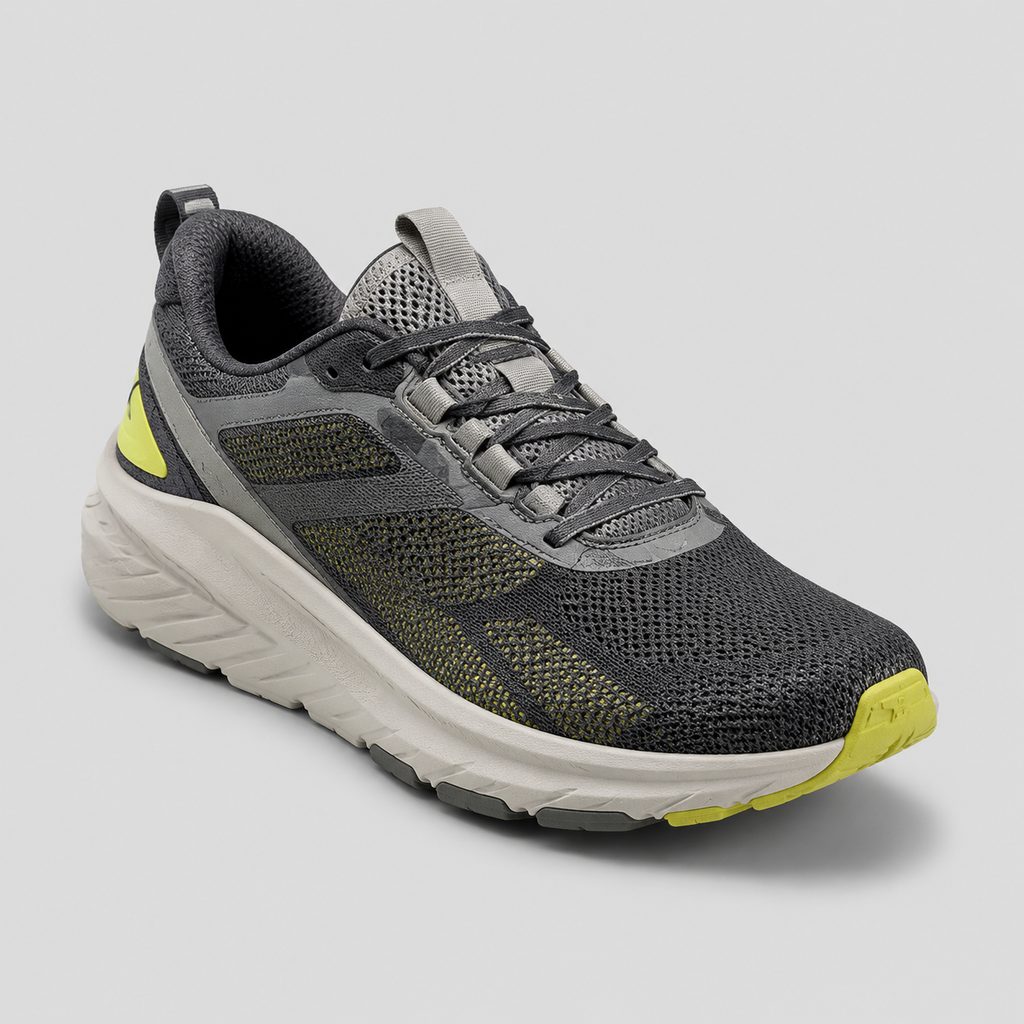
A note that only says “mesh running shoe with logo placement” is not yet a usable custom athletic shoes sampling brief. The factory still does not know which upper zones need airflow or support, what a reference pair is meant to communicate, whether a branding method is fixed or only preferred, or how size approval should be discussed before a golden sample exists.
A practical brief is narrower than a production plan. It records the buyer’s current product definition, then lists the open questions for development, manufacturability, sampling and quotation discussion. The product excerpt used here supports a running-shoe direction with breathable uppers, cushioned midsoles, mesh, knit or PU uppers, and EVA and rubber outsoles. The materials excerpt supports engineered mesh language for athletic uppers. Details outside those excerpts should stay as buyer questions rather than assumed factory outcomes.
Decide What the Sample Must Answer
Start with the sample decision itself. For an early custom running shoe inquiry, the sample may need to clarify upper direction, cushioning direction, outsole direction, the visual or fit role of a reference pair, or whether a proposed branding method belongs on the selected mesh construction.
As an editorial recommendation for the buyer, keep the first page limited to facts and open decisions. If a reference pair exists, state its job. If the concept is still visual only, say construction is open. If a fit expectation exists without an approved last or golden sample, record the expectation without treating size grading as finished.
Name the Shoe Direction Before Customization
Custom Shoe Factory’s product range describes running shoes as performance-inspired daily-training builds with breathable uppers and cushioned midsoles. The same excerpt lists mesh, knit and PU uppers. It also lists EVA and rubber outsoles.
Those details are enough to make a sampling inquiry more precise. Prefer “running-shoe direction with breathable upper and cushioned midsole” over a vague “athletic shoe” label. If sole direction matters to the concept, refer to EVA and rubber outsoles as the documented running-shoe language and ask the manufacturer how that direction may be interpreted for the sample. Do not expand that language into testing, durability, certification or final performance claims.
If the concept may sit in another athletic category, record that as the buyer’s own classification question. Do not present unsupported categories as the supplier’s documented product scope unless the source in use lists them.
Turn Mesh Into a Material Direction
The label “mesh” hides too many decisions. Custom Shoe Factory’s materials information describes engineered mesh as air mesh and sandwich mesh. It describes engineered mesh as knitted or warp-knit synthetic with zoned density for ventilation, light stretch and support. It states that engineered mesh typically runs at 90 to 250 GSM depending on the zone, with denser knit at the eyestay and toe.
| Brief field | Buyer input | Manufacturer question |
|---|---|---|
| Mesh type | Air mesh or sandwich mesh, if the buyer already has a preference. | Which mesh direction may fit the sample objective? |
| Construction | Knitted or warp-knit synthetic direction, if known. | Which construction may support the intended upper feel? |
| Zones | Areas where ventilation, light stretch or support matter. | Where should density change across the upper? |
| Weight | Published engineered mesh range: 90 to 250 GSM depending on the zone. | Which zone weights may be realistic for the sample? |
| Structure | Eyestay and toe denser knit, if structure is part of the concept. | What reinforcement or overlay approach may be compatible? |
Use the table as a writing aid for a mesh upper shoe specification. It keeps “mesh” from collapsing into one vague label.
Separate Branding From Upper Material
The materials excerpt says engineered mesh takes screen print, heat-transfer film and welded TPU overlays cleanly. In that same engineered mesh context, the excerpt also says multi-colour branding is easy. Neither statement proves that every logo, placement, colour count or overlay size will suit every design.
State intended logo locations only where they matter to the design, such as tongue, quarter, heel or eyestay area.
List possible methods as inquiry points: screen print, heat-transfer film or welded TPU overlay on engineered mesh.
Ask which method may suit the selected mesh construction, logo size, colour count and placement.
Keep artwork files or placeholders separate from the upper-material description so each can be reviewed on its own terms.
This structure keeps branding from being treated as already approved, and it also stops a logo process from being chosen before the upper material direction has been checked.
Give the Reference Pair One Job
Custom Shoe Factory’s case study area includes an example running-shoe launch format described as moving from reference pair to inspected first production. For a sampling brief, the useful point is that a reference pair can be a starting input. The excerpt does not establish that every reference attribute can be copied or guaranteed.
When a reference pair is included, give it one primary job. Rank secondary jobs only after that primary role is clear:
Silhouette: overall profile, toe shape, heel height or collar line.
Upper feel: softness, structure, stretch, airflow or layered appearance.
Cushioning direction: visual midsole thickness, step-in expectation or category impression.
Outsole direction: EVA and rubber outsole language, tread styling or ground-contact coverage.
Fit expectation: length, width, instep, toe room or heel hold to be discussed.
As an editorial recommendation for the buyer, rank those roles instead of asking the factory to match every trait at once.
Keep Size Control as a Question Until a Basis Exists
Custom Shoe Factory’s importer and wholesaler excerpt describes size grading locked to the golden sample and verified by measured length and width at final inspection, container after container. That wording is tied to a golden sample and final inspection context.
At the sampling stage, ask how sample approval and grading references may be established for the project. If a target size chart, reference last, preferred market sizing expectation or fit notes from an existing shoe are available, include them as inputs. If they do not exist yet, say so plainly. Stronger wording will not replace a missing basis; clear wording makes the gap visible.
Build the Inquiry From Known Inputs and Open Questions
A factory-readable athletic shoe sample brief can be organized as known inputs and open questions. Known inputs are what the buyer can stand behind. Questions are what the buyer wants the manufacturer to comment on during development, manufacturability, sampling or quotation discussion.
- Known input: running-shoe direction
State whether the concept is a running-shoe direction with breathable upper and cushioned midsole language.
- Known input: upper material direction
If engineered mesh is being considered, note whether air mesh, sandwich mesh, knitted synthetic or warp-knit synthetic is preferred or still open.
- Known input: sole direction
State whether EVA and rubber outsoles are relevant to the concept, using the running-shoe excerpt as category language rather than a finished outsole specification.
- Known input: reference pair role
Explain whether the reference pair is mainly about silhouette, upper feel, cushioning direction, outsole direction or fit expectation.
- Open question: material zoning
Ask which zones, densities or reinforcements may fit the sample objective, especially if support is needed around the eyestay or toe.
- Open question: branding method
Ask whether screen print, heat-transfer film or welded TPU overlay may suit the selected engineered mesh construction and logo placement.
- Open question: size basis
Ask how sample approval, golden sample reference and later grading review may be established.
- Open question: next step
Ask which development, manufacturability, sampling or quotation options may apply to the project.
As a hypothetical illustration only, a compact inquiry line could read: “Running-shoe direction with breathable upper and cushioned midsole; engineered mesh preferred with denser structure at eyestay and toe; reference pair for silhouette only; branding method open between heat-transfer film and welded TPU overlay; size basis not yet defined—please advise which sampling options may apply.” That sentence is a drafting pattern, not a documented order scenario.
Share the Definition and Ask What May Apply
The brief is ready when another person can see the product direction without mistaking open issues for confirmed specifications. The running-shoe direction should be clear. The reference pair should have a defined role. The upper direction should be more specific than “mesh” if engineered mesh is part of the concept. Branding should appear as locations and possible methods. Size control should be raised in relation to sample approval and golden sample basis.
Before using the quotation request page, remove unsupported claims about production terms, testing, certification, lead time, fees or quantities unless the buyer has separate evidence for them. Then share the current product definition and ask which development, manufacturability, sampling or quotation options may apply. That keeps the inquiry practical without asking the source material to support more than it says.
Sources and verification
- Athletic Shoe Manufacturer | Custom Product Range First-party site source
- Shoe Soles, Uppers & Insole Materials | Footwear Specs First-party site source
- Footwear Manufacturing Case Studies | Example Project Formats First-party site source
- Wholesale Shoes & Bulk Footwear Supply | Importers First-party site source
Share the current product definition and ask which development, manufacturability, sampling or quotation options may apply to the project.
Send your project brief