Footwear Sourcing
Casual Shoes Supplier: Evaluate the First Sample
A first sample is useful evidence, but it is not production proof. Record the received build, compare it with the current definition, classify the gaps, and choose a focused next step.
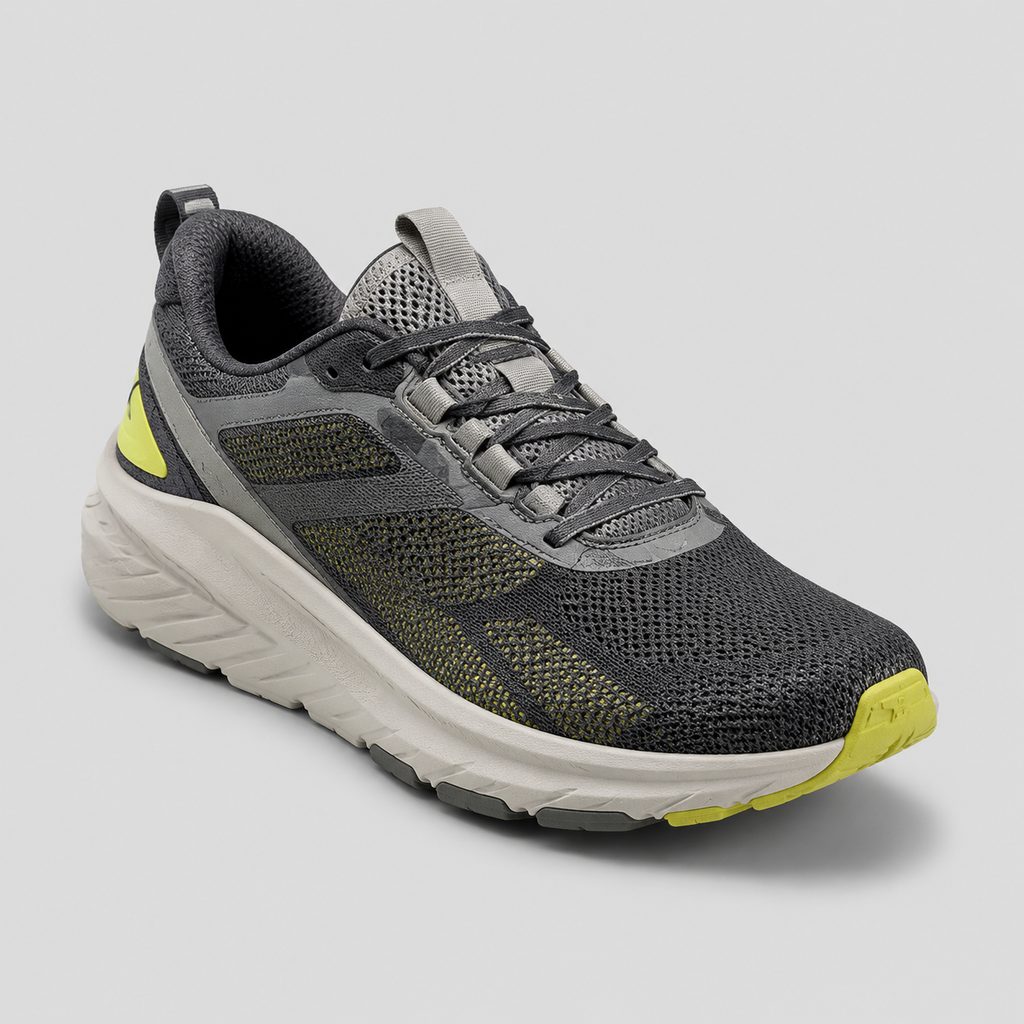
The first sample changes the sourcing conversation. Before it arrives, a casual shoes supplier is being assessed through a brief, images, references, and written requirements. After it arrives, the buyer has a physical interpretation of that information. The useful question is not whether the pair looks generally acceptable. It is whether the received build gives the project a reliable basis for correction, further sampling, or commercial review.
A single sample represents one execution of the brief. It does not prove consistent mass-production quality. Treat it as a decision point. Preserve what was received, compare it with the latest product definition, separate defects from unresolved decisions, and send feedback that another person can act on.
Begin with the received pair
Editorial recommendation: create the intake record before discussing what should change. This keeps comments tied to one sample and prevents an unconfirmed assumption from becoming part of the next specification.
- Give the pair an internal sample reference and record the stated style, size, colourway, and receipt date.
- Photograph both shoes from consistent views, including the sides, front, rear, top, outsole, and interior.
- Record the upper, sole, branding, laces, insock, labels, and packaging as received. Where a material or finish has not been confirmed, describe its visible appearance rather than assigning a composition.
- Compare the pair with the latest artwork, tech pack, colour standard, reference shoe, or written instruction.
- Mark each difference with its controlling reference. Keep missing information separate from visible workmanship concerns.
This record is also useful when working with a private label casual shoe manufacturer on an athletic-influenced casual style. A photograph can establish placement and appearance, but it does not by itself approve the material, backing, density, or finish.
Use the product definition as the control point
Before judging the sample, identify which parts of the product were actually fixed. The controlling definition may include artwork, a reference pair, colour information, component direction, branding files, fit requirements, or packaging instructions. Not every item will have the same approval status.
The published product range describes running shoes as having breathable uppers and cushioned midsoles. Separately, that range identifies mesh, knit, or PU uppers as options. It also identifies EVA and rubber outsoles as options. These statements describe the published running-shoe range, not a universal bill of materials for every casual style.
The company's stated product family covers running, training, walking, and casual sneakers. A buyer should therefore match the sample review to the specific style and product definition under discussion. The category label alone does not settle the material, construction, fit, or branding requirements.
Inspect the upper by zone
Editorial recommendation: review the upper as a connected set of panels rather than as one surface. Start with left-to-right symmetry, then follow the relationship between the toe, eyestay, tongue, collar, heel, logos, and overlays. Record the visible result and location before suggesting a cause.
| Area | Compare on the sample | Useful feedback |
|---|---|---|
| Panels and symmetry | Shape, placement, and left-to-right alignment around the toe, eyestay, heel, tongue, and logo | Name the side and location, attach a marked photograph, and identify the reference that controls the correction |
| Ventilation or density zones | Whether the visible openness, stretch, support, and zone placement match the intended design when relevant | State whether the concern is appearance, support, transparency, or placement |
| Branding and overlays | Position, colour, edge appearance, and relationship to seams or panels | Use the artwork version or a stated measurement reference |
| Edges and transitions | Visible cleanliness where panels, prints, films, or overlays meet | Describe the result required without assuming the manufacturing cause |
The materials page describes engineered mesh as a knitted or warp-knit synthetic with zoned density for ventilation, light stretch, and support. It separately names screen print, heat-transfer film, and welded TPU overlays as treatments that can be used with that material. Use those terms only when the sample is mesh-based and those treatments are part of the intended design. They should not be treated as a standard construction package for every style.
Editorial recommendation: do not turn a surface observation into a durability conclusion. Ask what further information or review is needed when the sample cannot establish the required performance.
Review how the sole and upper meet
The outsole, midsole, and upper should be considered together because the buyer is approving a product, not isolated components. Compare the visible sole profile, upper-to-sole alignment, sidewall appearance, and the way the upper moves with the sole during a basic review. Relate any observation to the intended use of the style.
For the buyer, an editorial inspection sequence can include viewing the pair from both sides, checking the toe and heel alignment, and flexing the forefoot by hand. Record what can be seen or felt on the tested pair. Do not infer a compound, bonding method, cushioning result, or wear life from appearance alone.
The published running-shoe range identifies EVA and rubber outsoles for that range. That information does not determine which sole material, bonding approach, or performance requirement applies to a particular project. Ask for the specific construction details that remain open.
Fit feedback should identify the tested size and the location of the concern. Separate length, width, instep volume, heel hold, collar contact, toe shape, and flex observations where possible. “More comfortable” is a preference, not a complete correction request.
Put each gap in the right category
Before requesting action, classify the issue. This prevents a locked specification, a sample workmanship observation, a fit concern, and an open production question from being treated as the same problem. The matrix is editorial guidance for organising buyer feedback, not a description of a factory inspection process.
| Issue type | What it means | Buyer response |
|---|---|---|
| Specification discrepancy | The colour, logo position, panel shape, component, or other detail differs from a named approval reference | Cite the controlling reference, identify the location, and state the required correction |
| Sample workmanship issue | An uneven alignment, rough edge, visible inconsistency, or isolated assembly concern appears on the received pair | Send an annotated image and ask whether the observation requires a revised build for review |
| Fit or wear concern | The tested pair raises a specific concern about length, volume, hold, contact, or flex | Record size and test conditions, then describe the concern without prescribing an unverified fix |
| Unresolved production question | The sample does not establish material identity, colour approval, pack-out, repeatability, or another project condition | State the decision still needed and ask what information or review step should follow |
The case-studies page describes one running-shoe project structured from a reference pair to inspected first production. That is an example project format. It does not establish that this sample, a future revision, or a buyer's order will follow the same sequence.
Select the next commercial action
Request a revision when the definition is stable and the changes are specific and bounded. List what must change, what remains approved, and which file, colour standard, or reference pair controls the correction.
Request another sample when the product definition is still changing or when several connected issues need to be reviewed together. Fit, upper structure, sole proportion, and branded surface treatment may require a broader review than a single isolated correction. This is a buyer-side decision based on the current evidence, not a promise that one revision will solve every concern.
A commercial review is more useful when the current definition is coherent. Send the intended upper and sole direction, colourway, branding, size range, relevant packaging requirements, and the approval status of each item. Ask which development, manufacturability, sampling, or quotation information may apply to the project. Keep those as questions about the current program, rather than treating them as documented supplier commitments.
Make the feedback package actionable
One controlled response is easier to review than a sequence of partial messages. Include the sample reference and review date, group corrections by priority, and distinguish approved references from explanatory material.
- Annotated photographs with a callout for each issue
- The controlling artwork, tech-pack revision, colour reference, or physical reference pair for each specification discrepancy
- Measurements with the method and reference points stated
- Must-correct items separated from observations, questions, and later options
- Approved details that should remain unchanged
- A requested response for each open point, such as confirmation, an alternative proposal, a revised-sample recommendation, or information still required
For a mesh-based athletic-casual style, use only the material terms that match the received pair and intended specification. Leave unrelated decoration methods or unconfirmed material assumptions out of the revision request.
Submit the current definition
The useful handoff is more than a verdict on the first pair. It is the current product definition supported by the intake record, annotated deviations, fit notes, approved details, open decisions, and preferred next action. That gives the supplier a defined basis for responding without asking the sample to prove more than it can.
Buyers working within Custom Shoe Factory's stated running, training, walking, and casual sneaker focus can review the product range, materials information, and example project formats while preparing questions. When the definition is ready, use the project enquiry form to share it and ask which development, manufacturability, sampling, or quotation options may apply.
Sources and verification
- About Custom Shoe Factory | OEM/ODM Athletic Shoes First-party site source
- Athletic Shoe Manufacturer | Custom Product Range First-party site source
- Footwear Manufacturing Case Studies | Example Project Formats First-party site source
- Shoe Soles, Uppers & Insole Materials | Footwear Specs First-party site source
Share the current product definition and ask which development, manufacturability, sampling or quotation options may apply to the project.
Send your project brief