Footwear Development
Change Decisions in a Casual Shoe Sample Approval Checklist
A buyer-owned review record for converting a reference pair and scattered comments into a current casual-shoe sample definition.
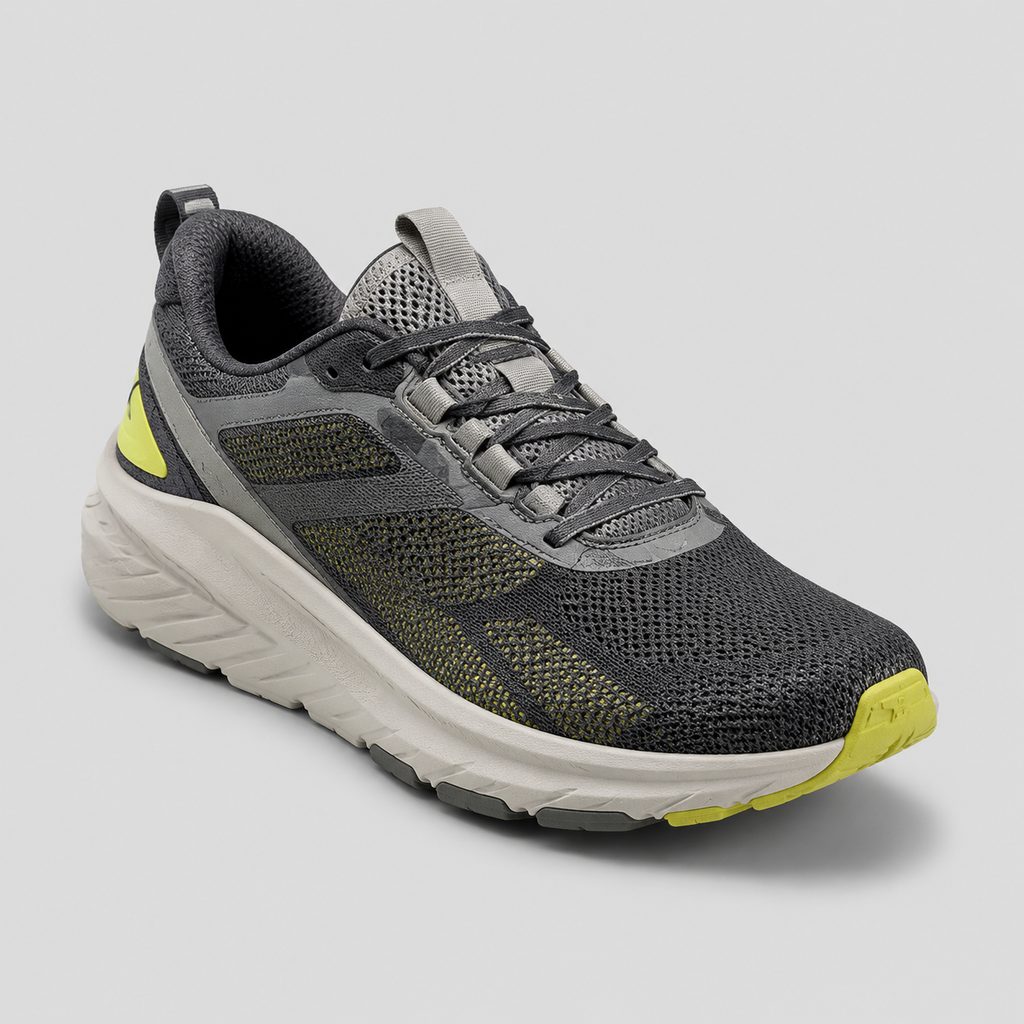
A casual shoe sample approval checklist gives the buyer one current view of a development sample: the role of the reference pair, decisions already made, requested deviations, and questions that still need supplier input. It is an editorial working method for the buyer's internal review, not a documented Custom Shoe Factory form, portal, or approval procedure.
For a casual shoe development sample review, the useful output is a dated record that can be read without reconstructing decisions from image markups, messages, and meeting notes. A comment such as "make the upper cleaner" can describe a valid direction, yet it leaves the intended change undefined. The record should turn that direction into something a product team can assess.
Build the Review Record First
The following fields are an editorial recommendation for a buyer-owned shoe sample change log. They create a place for product choices and a separate place for matters that remain open.
- Reference element
- Name the part under review, such as the toe shape, eyestay, collar, side panel, outsole profile, or logo position.
- Reference role
- State whether the reference pair is being used for visual direction, fit direction, construction direction, or category context.
- Requested result
- Describe the observable outcome. A reduced overlay area is more reviewable than a request for a more minimal upper.
- Decision owner
- Identify the buyer-side person or function that can confirm the direction.
- Current status
- Apply one status only: buyer-approved requirement, requested deviation, or open inquiry.
- Supplier-input question
- Write the unresolved question without presenting an assumption as an agreed instruction.
Add a date and record version whenever the direction changes. This gives the buyer a practical way to identify which feedback supersedes an earlier comment and which marked-up view still reflects the current definition.
Limit the Role of the Reference Pair
A reference pair should have a stated job. In the buyer's record, it may establish a silhouette, fit cue, panel arrangement, construction detail, color-blocking direction, or category benchmark. It can also contain elements that the buyer does not want to carry forward. Listing both the included and excluded elements avoids treating the entire pair as a default approval standard.
The published case-studies page describes a first running-shoe order as structured from a reference pair to inspected first production. That is a running-shoe example format. It should not be read as a standard path for a casual-shoe program or as evidence of a universal sample sequence.
Assign a Status Before Sending Feedback
Comments about the same component can belong in different states. A buyer may confirm the intended visual direction of a side panel while leaving its material and joining method open for project-specific discussion. The status tells the recipient whether the item is a retained decision, a requested change, or a question.
| Status | Purpose in the buyer record | Information to capture |
|---|---|---|
| Buyer-approved requirement | A direction the buyer has decided to retain. | The component, approved visual or construction direction, decision owner, and record version. |
| Requested deviation | A proposed departure from the reference pair. | The reference condition, requested result, and the reason the change matters to the product direction. |
| Open inquiry | A subject requiring supplier input before the buyer can decide. | A narrow question about material, construction, fit, manufacturability, branding treatment, or commercial terms. |
This separation is especially useful when a request is visually clear but technically incomplete. The buyer can communicate the desired appearance without implying that the material choice, construction method, or feasibility has already been settled.
Translate Material Comments Into Criteria
Material feedback needs a property and a location. "Improve the mesh" could refer to airflow, surface texture, stretch, support, opacity, decoration, or another concern. The buyer should identify the panel involved and the characteristic that needs review before asking whether a proposed material direction can apply to the project.
The materials page offers a specificity model for engineered mesh. It describes engineered mesh, including air mesh and sandwich mesh, as a knitted or warp-knit synthetic with zoned density for ventilation, light stretch, and support. Separately, the page identifies screen print, heat-transfer film, and welded TPU overlays as decoration methods for that material. Its stated best-use list names running, training, and summer styles; it does not establish that engineered mesh is suitable for a particular casual-shoe project.
| Broad comment | Buyer-defined review criterion | Open inquiry |
|---|---|---|
| "Improve the mesh." | Specify a more open visual texture at the vamp or reduced stretch at a named panel. | Which material options could be assessed against that criterion for this project? |
| "Make the branding cleaner." | Identify the logo location, coverage area, color treatment, and intended flush or raised appearance. | Which decoration approach, if any, can be considered for the material under review? |
| "Use a stronger upper." | Name the area requiring support and the intended result, such as a more stable eyestay or reinforced toe area. | Which material or construction directions should be evaluated to reach that result? |
These are buyer-side criteria, not a preselection of engineered mesh or another material. Material names, decorative treatments, and performance descriptions remain open until they have been discussed against the actual product definition.
Keep Approval Within Its Stated Scope
In a buyer-owned change log, approval should name exactly what has been decided. It may cover a current silhouette direction, panel layout, logo placement, color direction, or a defined list of deviations. It should not silently extend to subjects that remain unassessed.
A concise approval note can preserve that boundary: "Approved as the current visual direction, subject to resolution of the listed material and construction questions." The buyer should retain manufacturability, final material selection, construction method, fit across sizes, timing, pricing, minimums, testing basis, production controls, and final inspection criteria as open items unless the project record specifically addresses them.
Select the Next Discussion
The next request should follow the state of the definition. Moving forward because a sample exists can obscure missing decisions; a review record makes the missing item visible instead.
- Continue the sample direction when the reference role, visible requirements, requested deviations, and decision ownership are clear enough for the next project discussion.
- Clarify material or construction questions when the intended appearance is clear but the build, fit implications, branding treatment, or manufacturability still needs assessment.
- Revisit category and intended use when the current direction raises unanswered questions about the product's use or category position.
The About page lists running, training, walking, and casual sneakers within Custom Shoe Factory's product family. That published range gives context for a casual-sneaker inquiry. It does not demonstrate suitability for every casual footwear concept, so the buyer should state intended use and the elements drawn from the reference pair.
Prepare an Inquiry Around the Current Definition
An inquiry can start with the current record rather than an unannotated reference image. Before using the request-a-quote page, the buyer can assemble a compact packet containing:
- The reference pair and its defined role.
- The current visual direction, supported by annotated views where available.
- Approved requirements and requested deviations in separate entries.
- Open material, construction, fit, manufacturability, or branding questions.
- The intended use and category position of the proposed casual shoe.
- Any materials or construction directions under consideration, marked as proposals when unselected.
Share the current product definition and ask which development, manufacturability, sampling, or quotation options may apply to the project. This keeps the inquiry focused on the actual decision state rather than presenting unresolved points as commitments.
Published Scope and Limits
This article uses the published About, Case Studies, and Materials pages as first-party context. They support the stated sport-footwear product family, the limited running-shoe reference-pair example, and the specified engineered-mesh description and decoration methods.
The supplied evidence does not establish a casual-shoe-specific approval process, sample count, sample timeline, lead time, minimum order quantity, pricing, testing protocol, certification, inspection threshold, or production outcome. The checklist and change-log approach are editorial recommendations for the buyer to organize internal decisions and prepare a more precise inquiry.
Sources and verification
- About Custom Shoe Factory | OEM/ODM Athletic Shoes First-party site source
- Footwear Manufacturing Case Studies | Example Project Formats First-party site source
- Shoe Soles, Uppers & Insole Materials | Footwear Specs First-party site source
Share the current product definition and ask which development, manufacturability, sampling or quotation options may apply to the project.
Send your project brief