Sourcing Guides
Buyer audit for a wholesale running shoe outsole quotation
Use a buyer-side audit to keep published range wording, approved requirements, open questions and supplier proposals in separate fields before quote review.
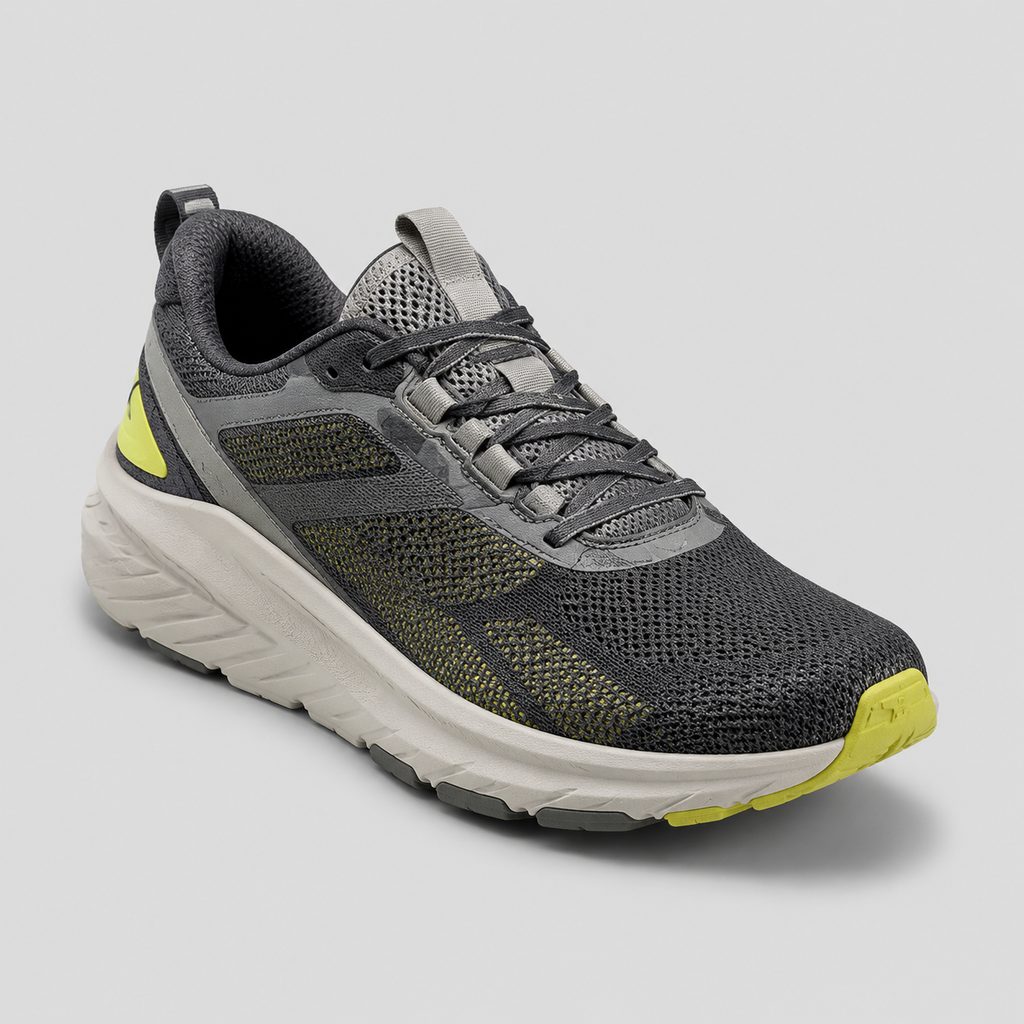
The phrase EVA & rubber outsoles appears in Custom Shoe Factory's running-shoe range copy. The supplied excerpt describes performance-inspired daily-training builds with breathable uppers and cushioned midsoles. It does not, by itself, identify a model-level outsole configuration. For a wholesale running shoe outsole quotation, the buyer's first task is to preserve that limited published direction while exposing every field that still requires a project-specific answer.
Published wording versus project definition
The running-shoe entry on the product page describes performance-inspired daily-training builds. It states that the builds have breathable uppers. It also states that they have cushioned midsoles. The excerpt lists mesh, knit and PU as upper directions. Separately, it lists EVA and rubber outsoles.
| Record area | Supported by the supplied excerpt | Question for the current project |
|---|---|---|
| Product direction | Performance-inspired daily-training running-shoe builds. | Which model, brief or identified reference should respondents use? |
| Upper and midsole wording | Breathable uppers and cushioned midsoles. | What upper and midsole basis applies to this inquiry? |
| Upper directions | Mesh, knit and PU uppers. | Which listed direction, if any, has the buyer selected? |
| Outsole direction | EVA and rubber outsoles. | What model-level material assignment, placement or configuration should be quoted or proposed? |
The About page describes the company's product-family focus as running, training, walking and casual sneakers. That statement provides category context, but its supplied excerpt adds no project-level outsole detail.
The evidence boundary is therefore narrow: the supplied excerpts support the running-shoe context and broad material directions. They do not document a specific sole architecture, compound, construction method, test result or commercial arrangement. Everything below is a buyer-side editorial method. Open fields are inquiry topics, not confirmed company services or promises.
Ownership of each blank
A buyer can use an incomplete running shoe outsole specification for quotation as long as each field shows who supplied the information and whether it is settled. This keeps published copy, buyer decisions and respondent proposals from becoming one apparently approved specification.
- Published source
Copy the relevant range wording without expanding its scope. Record EVA and rubber as broad published directions until the current model is defined more precisely.
- Buyer requirement
Use this status for a decision the buyer has approved. Mark it as mandatory or preferred so the respondent can distinguish a fixed requirement from a direction that may still be discussed.
- Open inquiry
Use this status when the buyer has not selected the outsole assignment, placement, configuration or another project detail. State the question directly instead of filling the field by inference.
- Supplier-specific answer
Place each respondent's answer in its own field. A proposed answer should remain distinct from the buyer's original input until the buyer reviews it.
- Evidence status
Track any requested drawing, annotated image, sample reference or other supporting material separately from the written answer. Useful statuses include available, pending, not applicable and unanswered.
Add a date or version identifier to the buyer's record. That buyer-side control makes it possible to see which product definition accompanied each inquiry and whether a later response refers to a revised basis.
Keep the complete product basis visible
The source lists upper directions separately from its outsole wording. The supplied excerpt does not state a standard pairing between mesh, knit or PU and any EVA or rubber outsole configuration. Buyers should therefore avoid creating an assumed pairing in the quotation worksheet.
- Upper basis: Record the selected upper direction, an identified alternative or an open status.
- Midsole basis: Preserve the published cushioned-midsole direction and add only project details that the buyer has approved.
- Outsole basis: Start with the exact EVA and rubber wording, then separate confirmed requirements from unanswered questions.
- Reference basis: Identify the pair, image set, drawing or product brief used for the inquiry, if one is available.
For the buyer's comparison, any change to the upper, midsole or reference basis should appear on its own line. When respondents use different complete product definitions, the review should not attribute the difference in their answers to the outsole alone.
Questions suggested by the example project
The case-studies page presents an example running-shoe launch format described as moving from a reference pair to inspected first production. The source supports that example description only. It does not establish a required workflow, a universal sequence or an inspection commitment for every inquiry.
- Ask whether a reference pair is relevant. If one is available, identify it and state what purpose it serves in the current inquiry.
- Separate fixed features from visual direction. Record which reference features are approved requirements and which remain open to a project-specific response.
- Ask which development or sampling checkpoints may apply. Capture the answer for this project without assuming that the example sequence will be used.
- Define any proposed inspection checkpoint. If inspection is discussed in the response, ask what it would cover, when it would occur and what record may be provided.
Keep these answers in respondent-specific fields. When a checkpoint or supporting record is not addressed, mark it unanswered instead of treating it as included.
A response matrix for quotation review
A buyer-created matrix gives each respondent the same visible product basis and set of questions. Its purpose is to organize answers when teams compare OEM running shoe quotes; its rows do not represent a catalogue of confirmed supplier services.
| Matrix row | Buyer input | Response to request | Buyer review |
|---|---|---|---|
| Published direction | Running-shoe context and the published EVA and rubber wording. | State whether the response follows that direction or proposes a different basis. | Do not expand the source wording into an unsupported model specification. |
| Quoted model | Identify the model, product brief or reference covered by the inquiry. | Confirm the product basis used for the response. | Keep answers based on different models or references on separate comparison lines. |
| Material assignment | Mark EVA, rubber or both as required, preferred or open only when the buyer has made that decision. | State the proposed model-level assignment and identify any unresolved point. | Preserve the distinction between buyer requirements and respondent proposals. |
| Configuration and placement | Enter buyer-approved details or information tied to an identified reference. | Describe the proposed configuration and where each named material would apply. | Compare the stated proposals instead of relying on repeated material names. |
| Other product variables | Record the upper basis, midsole direction and reference materials. | Identify any change or substitution used in the response. | Flag each changed variable independently. |
| Performance questions | List buyer-approved criteria, if any, without adding unsupported thresholds. | State which questions can be addressed for the project and what supporting information may be available. | Track the written answer and its evidence status in separate fields. |
| Quotation boundary | Request relevant assumptions, inclusions, exclusions and unresolved information. | Describe what the response covers and what requires further definition. | Treat omitted information as open, not as presumed included. |
| Supporting material | List the records the buyer wants to review. | Mark each requested item as available, pending, not applicable or unanswered. | Review document status separately from the proposal itself. |
As a buyer-side review rule, sort responses into comparable definitions, alternative proposals and incomplete responses. Review commercial totals within the relevant group only after checking the model basis and changed variables. A buyer-approved outsole direction and an unmarked respondent proposal should not occupy the same comparison line merely because both mention EVA and rubber.
Handoff with the gaps still visible
Before sending the inquiry, the buyer's packet should let another reader identify the source wording, approved decisions, unresolved questions and respondent-specific fields without reconstructing the project from separate messages.
- The intended running-shoe direction and exact outsole wording currently in use.
- The model, product brief or reference basis for the inquiry.
- The selected upper and midsole basis, with unresolved fields marked as open.
- The outsole requirements and preferences already approved by the buyer.
- The questions that require a project-specific response.
- The response matrix for proposals, assumptions, exclusions and supporting-material status.
Share that current definition through the quote-request page. Ask which development, manufacturability, sampling or quotation options may apply to the project. Keep each answer within the scope of the current model rather than assuming that a topic raised in the worksheet is automatically available.
For the buyer, the decision point is visible in the completed matrix: either the quotations use a comparable outsole definition, or they describe different proposals that require separate review. Preserving that distinction is more useful than treating the repeated words EVA and rubber as proof that the quoted products are equivalent.
Sources and verification
- Athletic Shoe Manufacturer | Custom Product Range First-party site source
- Footwear Manufacturing Case Studies | Example Project Formats First-party site source
- About Custom Shoe Factory | OEM/ODM Athletic Shoes First-party site source
Share the current product definition and ask which development, manufacturability, sampling or quotation options may apply to the project.
Send your project brief