Footwear sourcing
Athletic Shoe Sample Approval: Production Change Review
A buyer-owned deviation register separates the approved shoe reference from proposed changes, unresolved questions and later decisions. This guide provides a component-level method for comparing that reference with first production without assuming a supplier-operated change-control service.
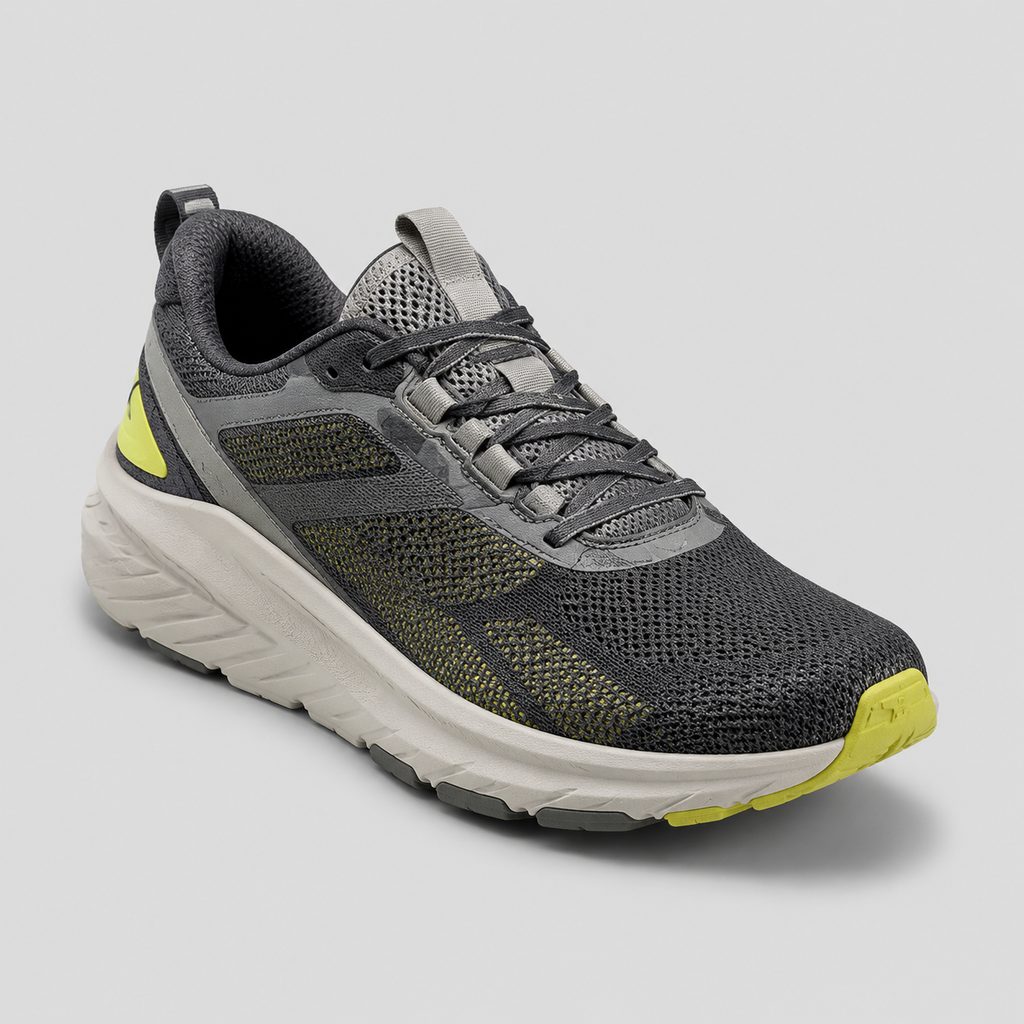
A signed comment sheet or accepted physical sample does not necessarily bring every project record into alignment. Artwork, specifications, drawings and supplier correspondence may still describe different product states. The immediate buyer task is therefore to identify one approved reference and record every later difference against it.
The deviation register in this article is an editorial recommendation for buyers. It is not presented as a Custom Shoe Factory document, supplier procedure or included service. First-party product and material descriptions supply bounded terminology for the register; the buyer's own project records determine what has been approved.
Define the comparison baseline
The baseline should identify the exact state against which a later sample or production version will be reviewed. A general website description cannot replace the physical sample, specification, artwork or drawing accepted for the project.
- Approved buyer reference
- The sample or project document that records the accepted product state.
- Current revision
- The buyer's identifier and approval date for the current reference.
- Decision owner
- The person or buyer function authorized to accept or reject a proposed difference.
- Open item
- A question or proposal that remains outside the approved state.
For the buyer, shoe production change control begins with this distinction between an approved state and an open proposal. As an editorial practice, each component should receive its own comparison line when its evidence, status or approval owner differs. An upper-material decision should not be bundled with overlay placement, branding, midsole construction or outsole description.
Keep published scope separate from project approval
Custom Shoe Factory describes one sport-footwear product family covering running, training, walking and casual sneakers. Its running-shoe profile provides more detailed wording, but those details apply only to that published profile and do not establish the approved construction for a buyer's project.
| Published statement | How the buyer can use it | Project question |
|---|---|---|
| The company describes running, training, walking and casual sneakers as its product family. | Use the categories to frame the initial product-scope inquiry. | Does the current design fall within the scope the supplier will consider? |
| The running-shoe profile describes breathable uppers. | Use the phrase as inquiry vocabulary when it matches the design intent. | Which approved project record defines the required upper? |
| The running-shoe profile describes cushioned midsoles. | Identify the midsole as a separate comparison subject. | How does the proposed version compare with the approved project reference? |
| The running-shoe profile lists mesh, knit and PU upper options. | Enter a named material as a proposed alternative, not an approval. | May that alternative be considered for this design? |
| The running-shoe profile references EVA and rubber outsoles. | Use the published terms to describe the outsole material under discussion. | What outsole composition and construction appear in the approved reference? |
| The running-shoe profile lists retail, ecommerce and private label channels. | Record the buyer's intended channel as commercial context. | Which channel requirements has the buyer selected for this project? |
None of these descriptions supplies a test result, acceptance threshold or project approval. They are limited reference points for a supplier discussion.
Separate fixed, flexible and unanswered items
A useful register distinguishes three kinds of information before assigning a decision status. This prevents a supplier question or possible substitute from being read as permission to change the product.
- Fixed requirement: link the attribute to the buyer's approved sample, specification, artwork or drawing.
- Alternative under consideration: describe one proposed difference without adding it to the approved reference.
- Unanswered question: request the project-specific information needed for the buyer's decision.
Questions may address manufacturability, available development paths, sampling, quotation or production review. These are inquiry topics, not evidence that a particular option or service is available. A supplier response also remains separate from buyer approval until the authorized decision owner updates the register.
Build component-level register entries
The supplier's materials reference shows why material descriptions need more than one field. Under engineered mesh, it lists air mesh and sandwich mesh. In a separate construction statement, it describes knitted or warp-knit synthetic material.
The source associates zoned density with ventilation, light stretch and support. It also says engineered mesh takes screen print, heat-transfer film and welded TPU overlays. The stated typical material range is 90-250 GSM depending on the zone, with denser knit at the eyestay and toe. That published range describes the material reference; it is not a mandatory project specification.
| Register line | Approved buyer reference | Proposed difference | Focused supplier question |
|---|---|---|---|
| Mesh descriptor | Record the descriptor shown in the approved project record. | Air mesh or sandwich mesh. | Which listed descriptor corresponds to the material proposed for this version? |
| Mesh construction | Record the approved construction separately from the mesh descriptor. | Knitted or warp-knit synthetic construction. | Which stated construction describes the proposed material? |
| Zone definition | Identify each approved zone where the project record distinguishes density or placement. | A proposed change to density or zone location. | Can the proposed zone definition be considered for the current design? |
| Material weight | Enter a value only when the buyer's approved specification supplies it. | A proposed value or range for a named zone. | What material information can be provided for that zone? |
| Engineered-mesh decoration | Reference the approved artwork, method and placement. | Screen print, heat-transfer film or welded TPU overlay. | Which listed method may apply to the selected engineered mesh and artwork? |
| Branding appearance | Point to the approved artwork or physical sample. | One proposed change in colour, placement or decoration method. | Which development or sampling options, if any, may apply to this difference? |
| Midsole | Identify the accepted sample or specification entry. | One proposed material, construction or appearance difference. | What manufacturability information is available for the proposed version? |
| Outsole | Identify the approved material and construction from the project record. | One proposed outsole difference. | Can the proposed outsole version be considered and quoted for this project? |
The decoration methods in this table are documented specifically for engineered mesh. They should not be assigned to knit, PU or another upper material on the strength of that description.
Attach authority to every decision
The editorial recommendation is to give each deviation one status and one buyer-authorized owner. Four labels can cover the main decision states:
- Accepted: the buyer has authorized the stated difference and, where needed, updated the current reference.
- Rejected: the buyer has declined the proposal, leaving the previous approved reference in force.
- Pending clarification: a defined question must be answered before the buyer decides.
- New sample decision: the buyer must decide whether to request and review another physical sample.
Each entry should also carry the decision date and current revision. Several functions may contribute comments, but the register should identify the buyer role authorized to set the final status. These labels organize the buyer's records; they are not documented factory statuses.
Define the first-production comparison point
The site's example project formats include a running-shoe launch described as moving from a reference pair to inspected first production. The excerpt supports that example only. It provides no universal workflow, inspection protocol, access to inspection records or promise that the same review point applies to another project.
A footwear first production review can therefore be framed as a buyer inquiry: may a comparison point similar to the published example apply to this project? The register can identify the reference the buyer would want used and the open deviations that would need decisions. The buyer should leave the proposed checkpoint and any production-review option unconfirmed until the supplier responds for the current project.
Turn the register into a supplier inquiry
The commercial inquiry should present the current product definition before asking about possible next steps. A concise submission through the request page can include:
- The shoe category and intended sales channel.
- The approved buyer reference and current revision.
- Each proposed difference on a separate line.
- The status and buyer decision owner for every open item.
- Questions about which development, manufacturability, sampling or quotation options may apply.
- A question about whether a comparable sample-to-first-production review point may apply.
This format gives the supplier a defined product state and a bounded set of questions. It also preserves the distinction that matters to the buyer: what is approved, what is proposed and what still requires project-specific input.
Sources and verification
- About Custom Shoe Factory | OEM/ODM Athletic Shoes First-party site source
- Athletic Shoe Manufacturer | Custom Product Range First-party site source
- Shoe Soles, Uppers & Insole Materials | Footwear Specs First-party site source
- Footwear Manufacturing Case Studies | Example Project Formats First-party site source
Share the current product definition and ask which development, manufacturability, sampling or quotation options may apply to the project.
Send your project brief