Footwear Materials
Custom Athletic Shoe Mesh Upper Specification
Screen an engineered-mesh direction against the published material record, then document zone, GSM, branding, and project questions before sampling.
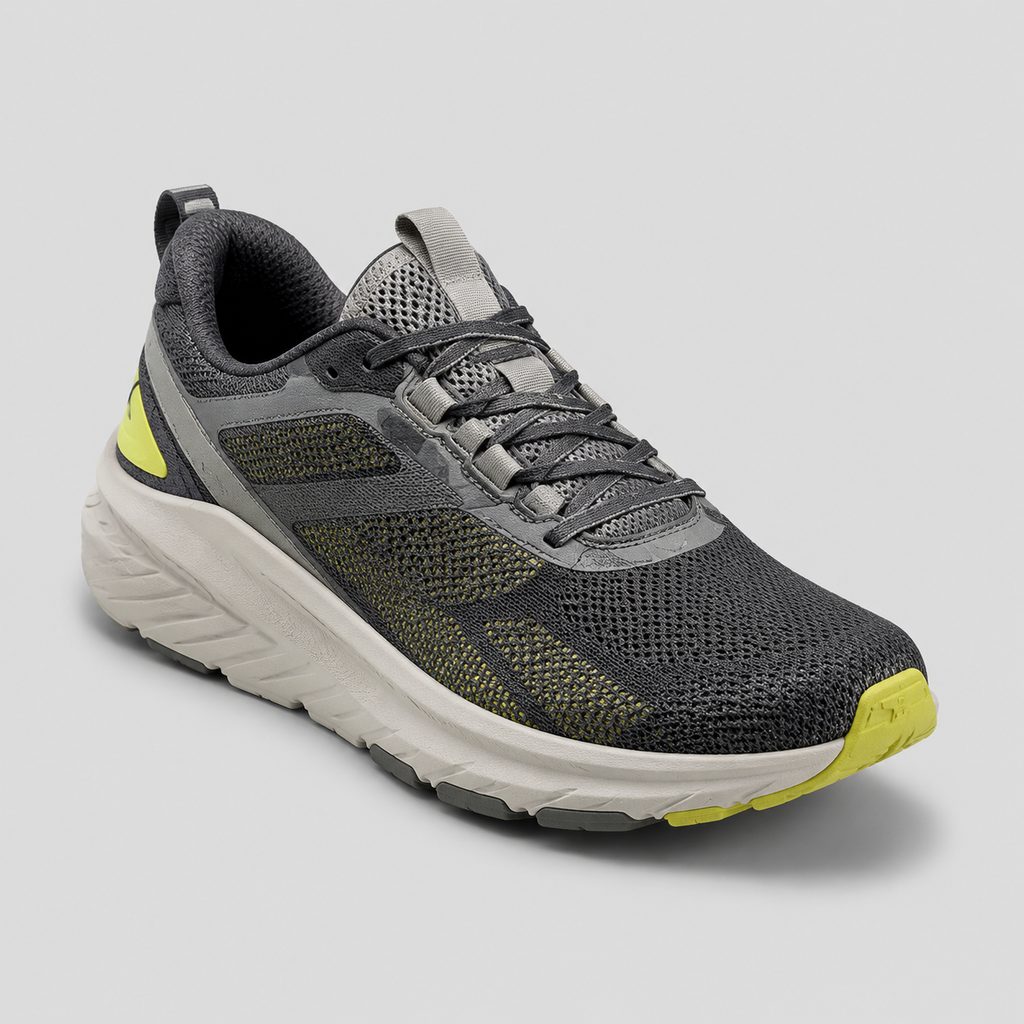
A custom athletic shoe mesh upper specification begins with a boundary: the published material description can help screen a direction, but it does not complete a new shoe definition. Intended use, upper layout, visual treatment, fit criteria, and project terms remain separate decisions.
Editorial recommendation for buyers: use the published record to organize the questions for a project, not to assume a finished construction, performance result, manufacturing commitment, or sampling outcome. The aim is to make known requirements and unresolved points equally visible.
The Published Material Record
The materials page identifies air mesh and sandwich mesh under engineered mesh. It describes engineered mesh as a knitted or warp-knit synthetic with zoned density for ventilation, light stretch, and support, and calls it a workhorse athletic upper.
The same entry says engineered mesh typically runs at 90-250 GSM depending on the zone. It gives denser knit at the eyestay and toe as examples. These details describe the published material direction; they do not establish the material layout for another shoe.
The entry also names screen print, heat-transfer film, and welded TPU overlays in connection with multi-color branding. A buyer can record one or more of those treatments for discussion, while leaving applicability to the particular mesh, artwork, placement, and construction open.
Deciding Whether the Stated Use Context Fits
The materials entry lists running, training, and summer styles that need maximum airflow at a sensible cost as its stated use contexts. That is useful category context, not a conclusion that mesh is appropriate for every running or training concept.
The running-shoe range separately describes performance-inspired daily-training builds with breathable uppers and cushioned midsoles. It is a product-range description. It should not be treated as proof that an engineered-mesh concept is a daily-training build or that it will have those upper and midsole characteristics.
| Planned direction | Published context | Editorial buyer record |
|---|---|---|
| Running | The engineered-mesh entry names running. | State the intended running direction and retain any unconfirmed use assumptions as questions. |
| Training | The engineered-mesh entry names training. | Identify the upper areas, visual priorities, and movement-related concerns that need discussion. |
| Summer style | The entry names summer styles needing maximum airflow at a sensible cost. | Record the intended appearance and coverage direction without converting that description into a finished-shoe result. |
| Another category | No additional category is named in the supplied material excerpt. | Describe the intended use before treating engineered mesh as the leading upper direction. |
For an engineered mesh athletic shoe upper, the useful distinction is between a stated category context and a project requirement. Comfort, durability, support, fit, and athletic performance should remain project questions unless they have been defined and confirmed for the actual shoe.
Zone Notes Give GSM Its Context
Because the published 90-250 GSM range is typical and depends on the zone, this guide treats GSM as a confirmation topic rather than a whole-upper requirement. Zone notes give a custom athletic shoe mesh upper specification the context that a single material weight cannot provide on its own.
| Upper area | Published detail | Editorial buyer note |
|---|---|---|
| Toe | The materials entry gives denser knit at the toe as an example. | Describe the intended coverage, visible density, and appearance, then ask whether the example is relevant to the project. |
| Eyestay | The materials entry gives denser knit at the eyestay as an example. | State whether this area should continue the mesh visually or meet another material treatment. |
| Midfoot and quarters | The supplied excerpt does not assign a construction to these areas. | Mark where open-looking mesh, denser-looking mesh, color boundaries, or artwork are important to the concept. |
| Collar and tongue | The supplied excerpt does not define these components. | Identify whether they belong in the mesh discussion or need their own material decision. |
A buyer can also note which references are fixed requirements and which are only directional. That distinction prevents a visual reference from being mistaken for an agreed material construction or GSM target.
Branding Decisions Belong With the Upper
The published material entry names the following application treatments separately. Keeping them as separate line items in the project record avoids treating a source list as a universal compatibility statement.
- Screen print
- The engineered-mesh entry names screen print.
- Heat-transfer film
- The engineered-mesh entry names heat-transfer film.
- Welded TPU overlays
- The engineered-mesh entry names welded TPU overlays.
- Buyer-owned details
- Record the artwork, colors, placement, intended visual role, and unresolved questions for each proposed treatment.
For the buyer, the relevant inquiry is whether a named treatment may apply to the material direction under discussion. The published description does not decide suitability or durability for every artwork treatment, mesh construction, or shoe program.
An Inquiry That Preserves the Open Questions
The case-studies page describes a running-shoe launch for a new brand as a first running-shoe order structured from a reference pair to inspected first production. This article uses that example only as its published project format. It does not infer sample quantities, sample iterations, approval criteria, timing, pricing, minimum order quantities, or results for another project.
A running shoe upper material inquiry can still be specific while retaining what is unknown. As an editorial format, the inquiry can contain:
- The intended shoe category and use direction.
- The mesh description under consideration, including air mesh or sandwich mesh when relevant.
- Zone-by-zone notes for the toe, eyestay, and any other upper areas needing separate discussion.
- Available images, reference-pair details, swatches, sketches, or relevant tech-pack information, marked as fixed or directional.
- Each branding treatment, placement, artwork reference, and color question attached to the relevant upper area.
- Open questions about material detail, manufacturability, sampling information, and quotation information that may apply.
A training shoe mesh specification can use the same record while keeping its category-specific questions visible. Share the current definition through the quote request and ask which development, manufacturability, sampling, or quotation options may apply to the project.
The Separate Record for Size Grading
The page for importers and wholesalers states that size grading is locked to the golden sample. It also states that measured length and width are verified at final inspection. Those statements are presented for importers and wholesalers.
They are not mesh-selection evidence and do not define fit requirements for every program. Editorially, keep the upper-material record beside a separate size and fit record so that mesh questions, golden-sample references, and measurement requirements are not treated as one claim.
Sources and verification
- Shoe Soles, Uppers & Insole Materials | Footwear Specs First-party site source
- Athletic Shoe Manufacturer | Custom Product Range First-party site source
- Footwear Manufacturing Case Studies | Example Project Formats First-party site source
- Wholesale Shoes & Bulk Footwear Supply | Importers First-party site source
Share the current product definition and ask which development, manufacturability, sampling or quotation options may apply to the project.
Send your project brief